Fairfax County Public Schools told teachers not to make 9/11 lessons an examination of Islam, intensifying a national fight over how schools teach terrorism and bias.
Story Highlights
- An FCPS guide says do not tie the 9/11 lesson to Islam or Muslims, while naming al-Qaeda as the attackers.
- The district frames the plan as a commemorative, student-safety resource, not a theology debate.
- National museums and federal resources also stress reflection and sensitive teaching about 9/11.
- Critics say the approach downplays extremist ideology and confuses students about causes.
What The Fairfax Guide Actually Says
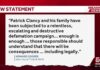
Fairfax County Public Schools circulated a 9/11 instructional guide for the 25th anniversary that directs teachers not to focus a commemorative lesson on an examination of Islam, not to center extremists or their acts, and not to associate the attacks with Islam or Muslims. The same document says teachers should explain that al-Qaeda, a terrorist extremist group, carried out the attacks, and that its ideology should not be attributed to Islam or Muslims as a community.
Fox News reported the guidance as an effort to avoid stereotyping and to support Muslim students, quoting lines that warn against framing the day as a clash of cultures or a debate over defining terrorism. Several passages in the excerpts align with that aim, including instructions to center remembrance, victims, and unity in class activities. The district’s resource is presented as commemorative rather than a full historical unit on the origins of the attacks.
Why The Dispute Resonates Nationally
National resources from the National September 11 Memorial and Museum and the United States Department of Education emphasize reflection, primary sources, and trauma-aware teaching. They model lessons that honor victims and first responders, and they advise teachers to shape a safe classroom climate during hard topics. Those themes match the tone of the Fairfax document and show that sensitivity-first framing is common in 9/11 instruction across the country.
At the same time, critics argue this approach can dilute hard truths. Townhall writers and other commentators say students need clear teaching about extremist ideology and motives behind the attacks, not only commemoration. They point to language that bars focusing on Islam in the lesson and that avoids centering the extremists. They warn this could leave students confused about why the attacks happened and who the actors were.
What Parents And Teachers Are Really Debating
Parents on the right fear that caution about bias turns into censorship about radical ideology. Parents on the left fear that blunt talk about religion leads to bullying of Muslim students. Both sides worry schools are failing to teach with depth and honesty. Academic reviews have long found that 9/11 content in many schools is brief, uneven, and unclear about the definition of terrorism and its causes, which feeds today’s mistrust.
Fairfax’s choice echoes a broader pattern: schools balance student well-being with historical clarity in a high-stakes topic. The line is thin. A commemorative plan can protect students but risk glossing over ideology. A cause-first plan can clarify history but risk stigmatizing peers. Strong curricula do both: name al-Qaeda plainly, explain its goals and methods, and teach respect for classmates who are not responsible for those crimes. National museum resources show this balance is possible.
What Would Build Trust Now
Clear transparency would help. The district could release the full guide, the drafting notes, and any companion historical materials. That would show whether commemoration comes with rigorous context on al-Qaeda, the hijackers, and the policy aftermath. Parents would see what is taught, not just pull quotes. Teachers would gain firmer footing to answer tough questions without fueling bias or hiding facts. In a tense era, sunlight and detail beat snippets and outrage.
Sources:
facebook.com, foxnews.com, 911memorial.org, ed.gov, noticias.foxnews.com, pbs.org