A declassified Central Intelligence Agency memo shows U.S. leaders were warned in 1998 that Osama bin Laden was preparing to hijack American planes.
Story Snapshot
- A December 4, 1998 brief warned of plans to hijack U.S. aircraft.
- The 9/11 Commission confirmed the brief’s existence and content.
- Later reviews said warnings lacked exact time, place, and method.
- Records show pre-9/11 steps did not slow the plot’s progress.
What the Newly Highlighted Document Says
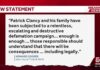
On December 4, 1998, the Central Intelligence Agency gave the President’s Daily Brief titled “Bin Ladin Preparing to Hijack US Aircraft and Other Attacks.” The text said some network members had hijack training and outlined intent to target U.S. aviation. This item, later declassified for investigators, places a clear warning on record years before the attacks. The declassified page remains one of the most direct early statements about a hijacking threat tied to bin Laden.
The 9/11 Commission later confirmed the brief and stated it came from a friendly government’s reporting on a threatened hijacking in the United States. The Commission cited this as part of a broader stream of threat reporting about al-Qaeda. The confirmation matters because it moves this from rumor to documented warning, reviewed by the official body created to find facts about the failures that led to the attacks.
How Officials Interpreted the Warnings
George Tenet, who led the Central Intelligence Agency at the time, told the Commission the agency never penetrated the 9/11 plot overseas. He also said analysts could not corroborate the most sensational reports about a bin Laden plan to hijack U.S. aircraft. His testimony helps explain why agencies struggled to turn scattered alerts into precise action, even as the overall threat picture kept getting worse.
Other government records echo that gap. A Commission narrative says the government received many warnings in 2001 of something “very big,” but those alerts lacked the exact timing and method needed to stop the plot. A later media review of the declassified set underscored the same point: the stream was alarming but imprecise, which blunted urgency and left key decision makers unsure how to act in time.
Why It Matters to Both Sides Today
The Commission also wrote that none of the measures adopted from 1998 to 2001 disturbed or even delayed the al-Qaeda plan. That is a stark finding. It supports a concern shared by many Americans across party lines: large, well-funded systems can miss clear danger because they are slow, divided, or more focused on process than outcomes. Many see this as a case where warnings existed, but government machinery failed its basic duty.
Declassified CIA Files Reveal Years of 9/11 Warnings Before the Attacks
The CIA has released 71 declassified Presidential Daily Brief products showing how U.S. intelligence tracked Osama bin Laden and al-Qaeda in the years before September 11.
One December 1998 brief warned… pic.twitter.com/o7Fv9pbCFB
— TWT UNLEASHED (@TWT_UNLEASHED) September 12, 2026
These records do not claim officials had the exact flight numbers or dates in advance. They do show that leaders knew hijackings were in play years earlier. For readers on the right, that fuels anger at a bureaucracy that reacts rather than acts. For readers on the left, it highlights how the public pays the price when institutions downplay risk. For both, it raises a hard question: who is accountable when the dots are on the page, but no one connects them?
What Comes Next: Lessons That Still Apply
Agencies must turn general warnings into concrete defenses much faster. That means testing worst-case ideas, sharing data in real time, and empowering people who see the pattern early. The 1998 memo shows the idea of a hijacking was not unthinkable. The task now is to build systems that do not wait for perfect detail before they act. That is not a partisan fix; it is a public safety fix the country still needs.
Sources:
pjmedia.com, telegraphindia.com, bbc.com, airandspaceforces.com, cnn.com, dailywire.com