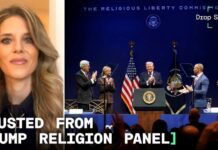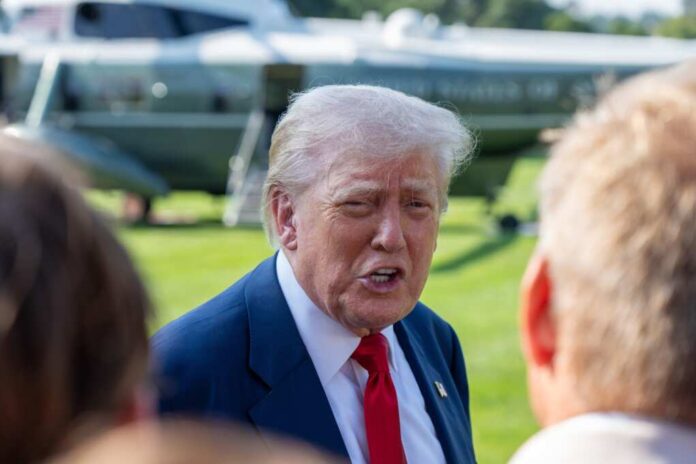
A striking shift in the Kennedy Center Honors—where political influence now overrides tradition—emerged when Trump awarded KISS a 2025 Kennedy Center Honor, sparking debate over cultural integrity.
At a Glance
- President Trump, as new Kennedy Center chairman, said he was “98 percent involved” in selecting the 2025 honorees and explicitly rejected “too woke” candidates
- Honorees include KISS, Sylvester Stallone, Gloria Gaynor, George Strait, and Michael Crawford, with Trump announcing the list himself during a press conference
- Trump will host the December 7, 2025, ceremony—marking a departure from tradition where presidents typically attend but do not host
- Staff turnover and resignations—including executive producer Matthew Winer, honoree manager Emeline Carlisle, and former president Deborah Rutter—have underscored internal upheaval at the institution
- Critics warn that Trump’s direct control and ideological screening may undermine the Honors’ longstanding reputation for impartial cultural celebration
Eroding the Guardrails of Tradition
Since its inception in 1978, the Kennedy Center Honors has relied on a nonpartisan selection body—including past awardees and public input—to confer recognition across artistic fields. Traditionally, awards have represented a rare moment of national cultural unity. Trump’s takeover—firing 18 Biden-appointed trustees and replacing leadership with loyalists—marked an abrupt restructuring of institutional governance.
Watch now: ‘One Of The Greatest Rock Bands Of All Time’: Trump Announces KISS As New Kennedy Center Honorees · YouTube
Trump’s declaration that he was nearly fully involved in deciding the honorees and his dismissal of perceived “woke” candidates sent a signal: ideological alignment now outweighs past artistic contribution in this national honor. That KISS—a band with mixed recent public stances toward Trump—now benefits from this process highlights the tension between artistic legacy and political expedience.
Institutional Shockwaves
Trump’s ascent to chairman has disrupted all levels of internal operation. The abrupt departure of executive producer Winer and honoree manager Carlisle signals internal dissent and discomfort with the new agenda. The ousting of longtime president Deborah Rutter and subsequent financial accusations illustrate deeper fractures over the Center’s direction.
Artists and institutions have responded. The musical Hamilton withdrew from the Center’s schedule, protesters staged a Pride concert titled Love Is Love to push back against Trump’s leadership, and prominent figures like Shonda Rhimes, Renée Fleming, and Issa Rae distanced themselves.
Culture Wars at the Core of Honors
What used to be a showcase of artistic excellence has turned into ideological theater. Supporters say Trump is restoring traditional values and accountability to long-captured institutions. But analysts argue that his methods—selecting based on political alignment and hosting himself—shred the impartiality the Honors once embodied.
The stakes go beyond one ceremony. As political leaders increasingly insert themselves into prestigious cultural duties, institutions risk becoming platforms for messaging rather than celebration. Should citizens accept that the intention behind these choices may now prioritize symbolism over substance?
Sources