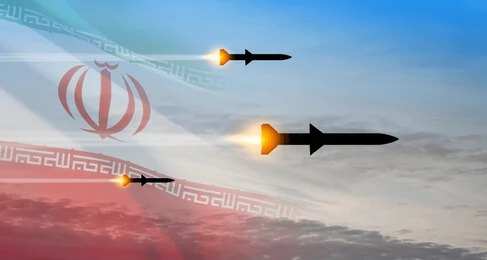
Iranian missiles are now penetrating Israel’s defenses and setting critical industrial infrastructure ablaze, exposing the vulnerability of American-backed air defenses as this administration drags us deeper into a Middle East quagmire that patriots were promised we’d avoid.
Story Snapshot
- Iranian ballistic missile struck southern Israel industrial zone on March 25, igniting factory fire amid ongoing war escalation
- Attack follows 600+ combined US-Israel strikes on Iranian missile sites, yet Tehran continues launching waves against civilian and infrastructure targets
- Over 10 Israeli civilians killed since February 28 war launch, with recent strikes injuring workers and threatening power plants
- Trump’s promise to keep America out of new wars shattered as US fires 850 Tomahawks supporting Israel’s campaign against degraded but defiant Iran
Iranian Missile Penetrates Defenses in Southern Israel
An Iranian ballistic missile struck an industrial zone in southern Israel on March 25, 2026, causing a factory to erupt in flames as part of Tehran’s seventh missile wave targeting Israeli territory. The attack injured two workers and demonstrated Iran’s ability to breach Israeli air defenses despite massive allied strikes degrading Tehran’s offensive capabilities. The missile was launched from central Iran after combined US-Israeli operations destroyed western launch sites, forcing the Islamic Revolutionary Guard Corps to shift firing positions eastward. Israeli Electric Corporation confirmed no damage to the nearby Orot Rabin Power Plant in Hadera, which narrowly escaped a separate missile impact the same day.
Escalating War Threatens Critical Infrastructure
The factory fire represents escalating dangers to civilian and industrial targets as the Iran war intensifies beyond initial February 28 strikes. Operation Roaring Lion launched with combined US-Israeli airstrikes hitting over 200 Iranian air defense systems, missile production facilities, and IRGC command centers across Tehran and provincial sites. Iran retaliated with missile and drone barrages exceeding the previous year’s 12-Day War intensity, with 20 percent of early strikes hitting civilian areas. March 25 marked a particularly volatile day with seven Iranian missile waves targeting Israel, most intercepted as singles rather than the 90-plus salvos seen in late February and early March.
Americans Funding Another Regime Change Disaster
US forces have fired 850 Tomahawk cruise missiles at Iranian regional bases, embedding American military power in yet another Middle East conflict despite voter mandates for restraint. The administration justified involvement as protecting Israeli allies and countering Iranian proxies attacking US positions, yet this mirrors the endless wars that drained American blood and treasure in Iraq and Afghanistan. Combined strikes have hit missile factories in Esfahan, Shahid Shafi component plants, and Pars Aviation facilities, crippling Iran’s defense sector but failing to halt Tehran’s retaliatory capabilities. Six Kurdish Peshmerga fighters died in an Erbil missile strike March 24, expanding the conflict’s reach beyond Israeli borders and raising questions about mission creep.
Broken Promises and Energy Vulnerability
This administration promised energy independence and avoiding foreign entanglements, yet here we stand financing Israel’s war while Iranian attacks threaten regional energy infrastructure that impacts global markets. Tehran launched a drone strike on Saudi Arabia’s SAMREF refinery March 19 in retaliation for hits on its South Pars gas field, demonstrating how quickly conflicts spread to critical energy chokepoints. Israeli strikes targeted Iranian leadership residences, including Supreme Leader Khamenei’s compound, alongside naval missile production hangars in Tehran, actions that risk wider regional destabilization. Analysis from defense experts confirms Iran’s missile capabilities are degraded, forcing inefficient single-launch tactics, yet barrages continue with no clear endgame for American involvement or exit strategy.
The southern Israel factory fire underscores vulnerabilities in air defense systems costing American taxpayers billions while delivering questionable protection against determined adversaries. With over 600 strikes against Iranian targets and ongoing exchanges threatening civilian populations, this war shows no signs of the swift resolution promised when operations began. Conservative voters who elected leadership on promises of America First policies now watch another open-ended Middle East commitment unfold, draining resources while inflation and energy costs remain unresolved at home. The March 27 intelligence reports confirm ongoing missile infrastructure strikes with no confirmed halt to hostilities, leaving Americans to wonder when this administration will prioritize domestic security over foreign adventurism that benefits neither our economy nor our constitutional principles.
Sources:
Iran Update Special Report – March 27, 2026
Iran Update Evening Special Report – March 24, 2026
Middle East Special Issue – March 2026
Iran Update Special Report – March 24, 2026
List of Attacks During the 2026 Iran War