A YouTube star’s routine stock filing sat in plain view for days—then GoPro exploded and the internet cried insider trading.
Story Highlights
- Markiplier disclosed owning 13.5 million GoPro shares, or 8.5% of Class A stock.
- The filing hit in August after a July ownership date; the stock then spiked as coverage spread.
- Critics point to timing and a sponsored video; Markiplier denies insider trading.
- Insider-trading law turns on material nonpublic information and duty, not optics.
What The Filing Shows And Why It Moved Markets
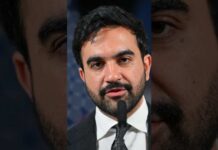
Public records show Mark Edward Fischbach, known as Markiplier, filed a Schedule 13G reporting 13.5 million GoPro Class A shares, equal to about 8.5 percent of that class. Media coverage later flagged the filing, and GoPro shares jumped as investors reacted to the new large holder. Schedule 13G is used by passive owners who say they do not plan to influence control. The stake size was unusual for a creator, which helped draw attention and fuel the rapid price move.
GoPro’s investor site also lists an amended ownership statement in 2026, signaling continued regulatory updates on the position. Reports estimated the stake’s value near nine million dollars around the time of the discovery wave, but the 13G itself does not list cost basis. The filing listed a July ownership date and was accepted in late August, which is within the world of ownership reporting but became part of the public debate once the stock surged after coverage.
Why Accusations Surfaced And What Is Actually Alleged
Critics argue the timing of the July ownership date, August filing, and later stock spike looks suspicious, especially paired with a GoPro video labeled as sponsored that did not disclose his stake at that time. Commentary framed the pattern as a possible pump or an unfair edge. However, the core public allegation centers on optics and disclosure practices, not a documented leak of secret merger news or a proved tip from insiders. The filing itself classifies the stake as passive.
Markiplier responded that there was no insider trading and that he did not know a merger was coming when he bought shares. Coverage repeats his claim that he accumulated the position over months because he believed in the product and thought the company was undervalued. One analysis piece separated the disclosure debate from the trading claim, noting there is no proof of insider trading in the public record while still criticizing the sponsorship disclosure choice. These statements outline his defense and the line between legal and optics concerns.
How Insider-Trading Rules Actually Work
United States securities law bans trading while in possession of material nonpublic information in breach of a duty. That standard requires proof of real secret information, a duty, and a trade linked to that information. Suspicious timing alone is not the test. The Securities and Exchange Commission’s compliance guidance and academic work stress that “material, nonpublic” is the key threshold, which courts and regulators assess based on facts, not online reaction. This is why many viral cases cool once the legal elements are applied.
Ownership disclosures follow separate rules. People who pass five percent ownership must report holdings on Schedule 13D or Schedule 13G depending on intent, with specific timing windows that historically allowed some delay from the event date to filing acceptance. Educational resources explain that Schedule 13G signals a passive stance, while Schedule 13D is for activists who plan to push changes. That difference helps explain the form choice in the GoPro case and why the filing, by itself, is not evidence of a scheme.
Why This Sparks Bipartisan Frustration
Everyday investors see a system where big players and famous people can move markets with a form, a post, or a video, while regular savers eat the risk. Conservatives and liberals both point to a pattern: rules feel uneven, disclosures feel late, and trust keeps falling. The Securities and Exchange Commission has taken actions in other “meme era” cases, which shows regulators can act when facts support it, but those actions follow evidence, not outrage. That gap fuels the anger.
#GoPro had been collapsing for years, was burning cash, had warned about its ability to continue as a going concern, and was openly exploring strategic alternatives.
Then #Markiplier reportedly put about $9M into the stock shortly before an acquisition was announced, potentially…
— Agora Alpha (@agora_alpha) September 7, 2026
What to watch next is simple. First, does any concrete evidence surface showing material nonpublic information tied to trades? Second, do regulators signal concern about the filing timing or the sponsorship disclosure? Third, does GoPro’s merger path and shareholder payout match the hype? Reports describe a cash component and a retained stake for holders, which will set real outcomes against the online storyline as events settle. Until then, facts beat guesses.
Sources:
altindex.com, sec.gov, thecreatorwire.com, thepcenthusiast.com, timesofindia.indiatimes.com, sportskeeda.com, youtube.com, oxfordledge.com