Iran says it will meet Gulf states in Oman to map a temporary safe shipping route through the Strait of Hormuz, a move that could steady oil flows and ease war risks.
Story Highlights
- Iran confirmed Oman-based talks on a temporary navigation lane through Hormuz.
- Oman is mediating between Iran and Gulf partners after months of strikes and threats.
- Gulf states back a plan that avoids mandatory tolls, explores voluntary service fees.
- Any deal could lower global energy risks tied to this vital chokepoint.
What Iran And Oman Say Will Happen
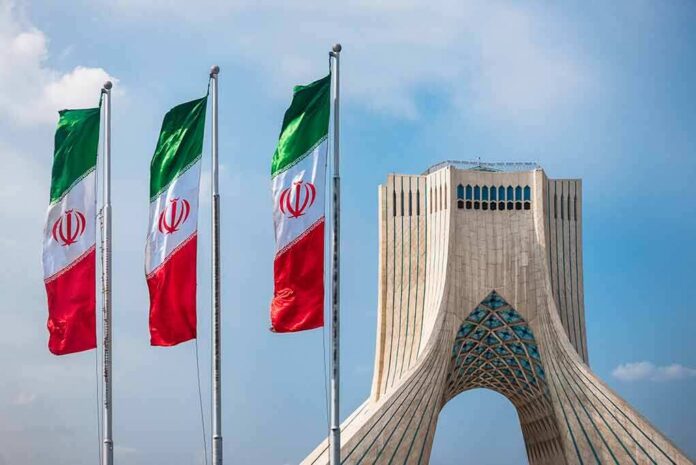
Iran’s Foreign Ministry said it will meet Gulf states in Oman to discuss a temporary route that lets ships move safely in and out of the Strait of Hormuz. Officials framed the plan around clear navigation lanes and respect for national security needs. Oman has hosted several rounds this year and kept channels open even during clashes. Both sides have signaled that the next step is technical: confirm coordinates and standard rules for ships that follow the corridor.
Iran has also said these talks are not United States–Iran negotiations. Tehran is working directly with Muscat on shipping and maritime services, while other Gulf states weigh in through Oman’s proposals. This approach fits Oman’s usual role as a go-between when the region heats up. By keeping the focus on ships, lanes, and services, the talks try to lower the temperature without forcing a big political settlement that no one trusts right now.
Why The Strait Of Hormuz Matters Right Now
The Strait of Hormuz carries a large share of the world’s oil and gas. Small changes there can swing energy prices and hit family budgets far from the Gulf. Recent months brought missile and drone strikes, ship seizures, and threats to close lanes. Shippers raised insurance costs and rerouted cargo. A stable, temporary corridor would not fix deeper fights, but it could cut risks for tankers and keep fuel moving while leaders argue about the bigger issues.
Markets also watch fees and control. Gulf partners have backed a plan that avoids mandatory transit tolls and instead leans on voluntary, service-based charges if needed. Oman, which is party to global maritime rules on open passage, has pushed ideas that respect free navigation while funding pilotage, traffic control, or rescue services. Iran has floated stronger control at the entrance to the Gulf, which worries neighbors who fear new leverage over their exports.
Where The Talks Stand And The Sticking Points
Diplomats say Iran and Oman already reached an understanding on exact coordinates for a lane through the strait, which suggests the technical map is close to done. The harder question is governance. Who sets traffic rules? Who verifies compliance? Who responds first in an incident? Oman’s plan aims to center neutral services and keep any payments tied to real maritime support, not a right to pass. That structure is designed to calm fears of hidden taxes on global trade.
Iran has confirmed Monday's Hormuz meeting in Oman, and attached to it a condition the Gulf states cannot deliver.
Foreign ministry spokesman Esmaeil Baghaei said eight Persian Gulf littoral states will attend: Iran, Iraq and the six GCC members, a wider format than the GCC-Iran… pic.twitter.com/bfpPmwrVvb
— Tiberiade (@tiberiadex) September 11, 2026
Tensions remain. Iran has rejected ideas for broader “regional management” that would dilute its say at the chokepoint. That means the likely path is a narrow, practical deal, not a sweeping security pact. Still, even a modest lane agreement could cool prices and reduce the risk of a deadly mistake at sea. For Americans, that means fewer shocks at the gas pump and less chance that a tanker incident drags the United States into another costly crisis abroad.
How This Connects To U.S. Voters’ Concerns
Energy costs and foreign entanglements hit the same nerve for many families. When shipping snarls in Hormuz, fuel and goods get pricier at home. When Washington responds with rushed deployments, taxpayers cover the bill. A workable corridor managed with clear rules can protect American wallets and avoid another open-ended mission. Oman’s quiet shuttle work is not flashy, but it targets the root risk: keep commerce moving while bigger disputes get hammered out off camera.
What To Watch Next
Watch for a joint statement from Oman and Iran that lists lane coordinates, notice-to-mariner procedures, and how to handle distress calls. Look for language on fees that sticks to voluntary, service-tied payments rather than mandatory tolls. Finally, monitor ship insurance rates and reported transits. If premiums fall and traffic rises, the corridor is working. If incidents spike, expect pressure to grow for escorts and more direct intervention, with higher costs for everyone.
Sources:
reuters.com, aljazeera.com, english.ahram.org.eg, nytimes.com