President Trump charged that Yemen’s Houthi fighters are hitting Saudi energy targets to spike oil prices before the U.S. midterms, sharpening doubts about who really benefits when conflict meets the global fuel bill.
Story Snapshot
- Trump said Houthi attacks aim to raise oil prices ahead of U.S. midterm elections.
- Houthis claim their actions enforce a “blockade for a blockade” against Saudi Arabia.
- Energy chokepoints like Bab el‑Mandeb amplify price risks when conflict flares.
- Recent market moves show fear premiums when tankers and energy hubs are threatened.
What Trump Alleged And Why It Matters
President Trump said on Tuesday that the Houthis are trying to push up oil prices before the U.S. midterm elections. He tied the attacks to Iran and warned he would “never forget” the strikes on Saudi targets. The charge links battlefield actions to U.S. domestic politics and voters’ wallets. Gas prices move with crude costs. Even small jumps squeeze family budgets, trucking firms, and small shops. The claim also raises concern that foreign actors may try to shape U.S. politics through energy shocks.
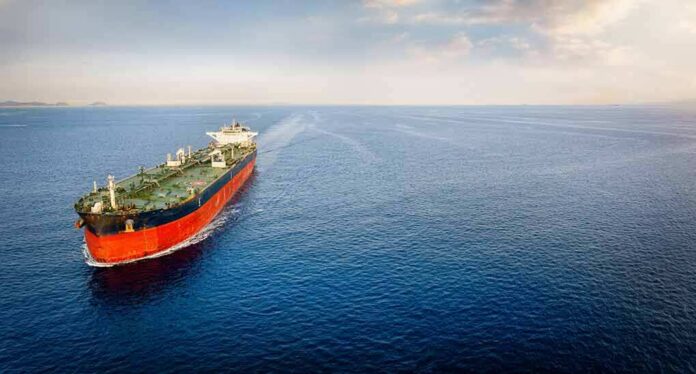
Trump’s accusation follows reports of Houthi attacks on Saudi-linked oil infrastructure and tankers in and near Red Sea lanes. These routes carry vital shipments for the world. Markets react fast when missiles, drones, or mines threaten ships. Traders price in extra risk and delays. Insurance rises. Shipowners reroute. That chain can lift crude benchmarks and diesel costs. For many readers, that shows how distant fights can still hit the price at the pump the same week.
What The Houthis Say They Are Doing
Senior Houthi figures say the attacks answer years of Saudi pressure on Yemen, not U.S. elections. A top leader called their move a “blockade for a blockade,” meant to force Saudi Arabia to end airstrikes and a long siege. Houthi military statements described a maritime embargo against Saudi interests and said they hit Saudi-flagged tankers that “violated” their declared rules. Their message centers on retaliation and leverage on Riyadh, not oil pricing strategy or U.S. politics.
Houthi spokesman Yahya Saree said the action responds to what they call a continued Saudi shutdown of ports and airports. He framed the targets as Saudi, not broad international shipping. That claim seeks to counter fears of a wider assault on global trade. Still, any strike near a chokepoint can raise costs for many ships. Intent and effect can differ. The Houthis claim one reason. Markets and consumers feel another when insurers and captains change course to avoid danger.
How Chokepoints Turn Blows Into Higher Bills
The Red Sea connects through the Bab el‑Mandeb strait, a narrow lane between Yemen and the Horn of Africa. After earlier Red Sea attacks, many ships took the longer route around Africa. That shift added time, fuel, and insurance charges. The United States Energy Information Administration reported higher shipping times and rates when vessels avoided the strait. Such detours feed straight into freight bills and, in time, pump prices and store shelves.
History shows that war and threats often add a risk premium to oil. Research from the United States Energy Information Administration and the World Bank links spikes in geopolitical risk to sharper swings in crude. Prices can jump on fear and fall when risk cools. Markets do not wait for proof of lasting damage. They move on the chance of it. That is why even a short spasm of attacks can lift Brent crude and diesel futures for days or weeks.
What We Know About Prices Right Now
Recent reporting showed Brent crude pushing toward one hundred dollars per barrel as attacks on Saudi tankers raised supply fears. Traders worried about wider disruption across the Red Sea corridor. That move reflects how fast sentiment can flip when shipping lanes come under fire. Higher crude often reaches gas stations with a lag, but wholesalers and airlines adjust quickly. Households and small firms feel it soon after.
Tell the Houthis that I am not running for any election and that I will still be here long after the midterm elections.
As for their attempts to drive up global oil prices by bombing Saudi Arabia, tell them one thing: I will never forget what they have done.
-President Trump pic.twitter.com/spaM2bmShx
— Arc Uche Rochas (@U_Rochas) October 13, 2026
The debate over intent may continue. Trump links the timing to U.S. elections and blames Iran’s hand. The Houthis insist they are punishing Saudi Arabia and enforcing their rules at sea. Both claims serve their own narratives. One focuses on foreign pressure on American voters. The other frames a local war response. What remains clear is the shared cost: every strike near a chokepoint pushes risk into global prices, and American families pay some part of that tab.
What To Watch Next
Watch for changes in shipping routes and insurance rates in the Red Sea. Look for any Saudi or United States military steps that may deter or escalate. Track crude benchmarks and diesel spreads for signals of stress beyond headlines. If traffic diverts for long, freight costs and inflation can rise again. If security improves, the risk premium may fade. Leaders on both sides know these levers, which is why attacks and warnings often cluster near key political dates.
Sources:
dawn.com, en.wikipedia.org, businessday.ng, cbsnews.com, thedailystar.net, npr.org, english.alarabiya.net, nytimes.com, reuters.com