While officials defend the shooting of Oscar Belgal, the government still withholds the body-camera video it says will justify it.
Story Highlights
- DHS says agents faced a weaponized vehicle; NYPD describes a car backing into a spot.
- Body-camera videos were reportedly recording but have not been released yet.
- Seven shots were fired as a 5-year-old sat in the back seat, sparking protests.
- Conflicting accounts deepen mistrust as calls grow for full video and policy review.
What DHS Says Happened During the Arrest Attempt
Department of Homeland Security officials said Immigration and Customs Enforcement agents tried to arrest Oscar Belgal during a targeted operation in New York City. Officials said agents blocked his vehicle, identified themselves, and ordered him to exit. They said the vehicle moved in a way that posed a deadly threat, describing it as “weaponized.” An agent then fired. This account frames the shooting as a response to an immediate danger during a lawful arrest effort.
Homeland Security Secretary Markwayne Mullin said the agents wore body cameras and that they were turned on. He defended continued enforcement and said the footage supports the agents’ actions. Reporters noted that the department has promised release, but the videos have not been made public. That means the central claims about warnings, vehicle movement, and the perceived threat remain unverified by the wider public for now.
What Other Evidence Shows and Where Accounts Clash
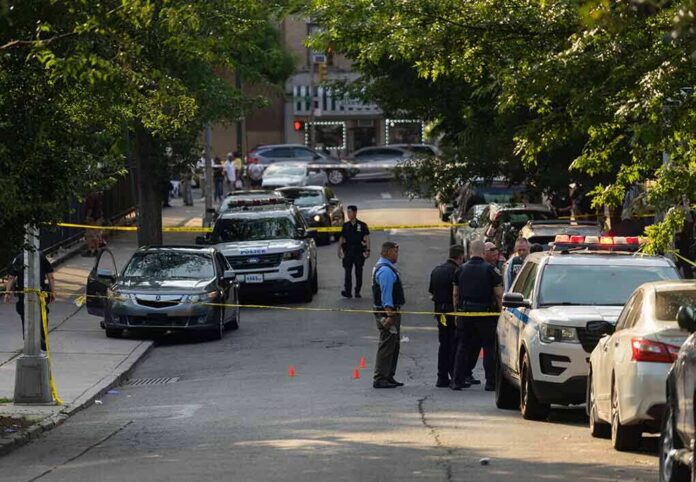
New surveillance video appears to show parts of the lead-up as plainclothes agents approach the vehicle. Reports say the car began to move during the encounter, and an agent then fired. The New York City Police Department account differs. The police commissioner said city video showed Belgal backing into a space as a plainclothes federal officer approached with a gun drawn. That conflict leaves the direction and threat level of the vehicle unresolved for now.
The New York City Police Department reported seven shots were fired and that Belgal was hit in the neck. A witness told reporters she heard several shots, then saw an sport utility vehicle crash into concrete barriers, and saw Belgal exit holding his neck while his son cried. Those details show the danger around bystanders and a child, but they do not prove intent or speed. They do show how fast events unfolded and why trust is strained.
Public Outcry, Legal Claims, and What Must Come Next
Belgal’s lawyers say the shooting was unlawful, placed a child in danger, and reflects a harsh trend in immigration arrests. They also say a bullet remains in his body. Their argument focuses on the presence of the five-year-old and on whether deadly force was necessary in that setting. Officials defend the force decision and the operation’s purpose, but have not published the key videos that could confirm their claims.
DHS Secretary Markwayne Mullin says body camera footage captures the moments leading up to the ICE shooting in New York City, including the suspect allegedly accelerating toward federal officers. https://t.co/bscnGao16u
— Lory reporter (@loryreporeter) October 11, 2026
This case touches a wider debate about shooting at moving vehicles and what counts as an imminent threat. Research shows policies vary across agencies, which leads to different judgments in fast-moving stops. Many Americans support police when a threat is imminent but oppose shooting when it is not. That gap makes complete, synchronized video and a clear policy record essential to regain public trust across the political spectrum.
Why This Matters Beyond One Block in New York
Americans on the right and left worry that officials shield evidence when the government is under fire. Here, leaders describe the video as decisive yet keep it out of public view during a heated debate. That invites doubts about fairness and accountability. The fastest path to clarity is simple: release every body-camera angle, with audio, and a basic timeline. Explain the policy standard and how the agents met it. Let the facts close the gap.
Sources:
facebook.com, cnn.com, abcnews.com, cbsnews.com, apnews.com, upr.org