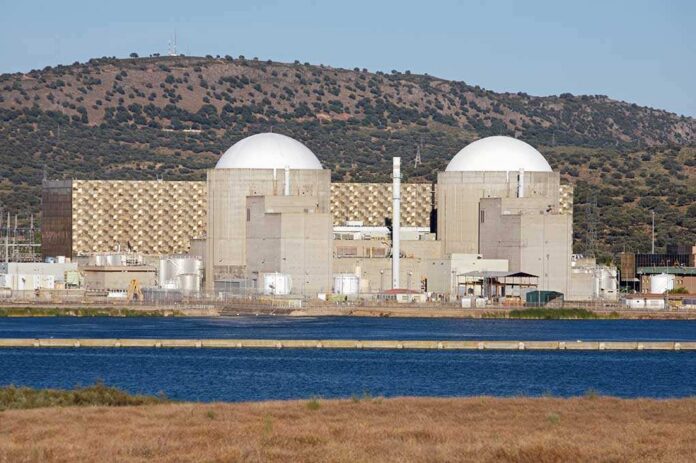
The Navy is moving to harden bases against blackouts by testing small modular nuclear reactors and other 24/7 power options on U.S. installations.
Story Snapshot
- Congress ordered a 10-year Navy pilot to test small modular or mobile reactors at one or more bases.
- The Navy formally asked industry for “execution‑ready” resilience prototypes, including next‑gen small modular reactors.
- A summer demonstration will use USS Gerald R. Ford to power Naval Station Norfolk from ship to shore.
- Officials aim for power that stays on even if the public grid fails, with a 99.9% availability goal.
Congress Gave The Green Light For A Base‑Power Nuclear Pilot
Congress created a pilot program that tells the Navy to test small modular or mobile reactors for base energy needs. The law directs the Assistant Secretary of the Navy for Energy, Installations, and Environment to start a ten‑year pilot at one or more installations. Lawmakers tied the program to energy security, which means keeping critical missions running even if the grid goes down. The statute sets the frame, but it does not pick sites or a specific reactor design.
The pilot’s scope matters beyond any one base. Federal facilities run hospitals, shipyards, airfields, and data systems that must not fail. Grid outages, storms, cyberattacks, or sabotage could shut them down. A base‑level power source that runs day and night would cut that risk. The pilot gives the Navy a legal path to test nuclear along with other options. It aims to learn what is reliable, affordable, and fast enough to help in real emergencies.
Navy Sought “Execution‑Ready” Prototypes To Keep Power On
The Department of the Navy issued a formal request to industry for energy resilience solutions. The notice named next‑generation small modular nuclear reactors as one eligible technology. It also allowed geothermal, battery storage, and other dispatchable systems. The Navy set a high bar: 99.9% power availability even if the public grid goes dark. The request focuses on execution‑ready prototypes to safeguard mission‑critical operations “in any operating environment”.
That approach lets the Navy compare nuclear with non‑nuclear options side by side. It also signals that the service wants systems it can actually build and run, not just white papers. The 99.9% target is a performance goal, not a proof of results for any specific design. The notice did not set a fuel plan, waste plan, or cost. It set the mission need first: power that does not quit when the grid fails, so ships, planes, and communications stay online.
First Demonstration: A Carrier Will Power Norfolk From Ship To Shore
Acting Secretary of the Navy Hung Cao told lawmakers that USS Gerald R. Ford will feed power to Naval Station Norfolk in a summer test. A Navy spokesman confirmed Norfolk as the first test location. The event will use an existing nuclear‑powered aircraft carrier to deliver shore‑side electricity. This demonstration shows how the Navy can bridge a gap in a blackout by using a ship already built to make steady power at sea.
The ship‑to‑shore test is a step, not a full land reactor build. It can prove the wiring, safety procedures, and control steps for sending power ashore. It can also measure how much power the base can take and use. Separately, a base at Yorktown signed a memorandum to study a plant on site, including a possible small modular reactor. Together, these moves show a pattern: test what exists now and study what could run on land later.
What This Means For Families, Workers, And Budgets
Energy resilience is about more than hardware. When a base loses power, workers get sent home, repairs stop, and units miss training. Backup diesels burn fuel and can fail or run short. A steady on‑site source could cut outages and fuel runs. That can save money and protect readiness. The Navy still must show how any reactor or other system would be licensed, secured, staffed, and paid for over time, as those details were not in the initial request.
This push also speaks to a wider public worry. People across the spectrum see brittle systems, rising costs, and leaders who delay hard choices. Here, the Navy is tying a clear risk—grid failure—to tests that could keep the lights on. Voters who want strong defense and those who want smarter infrastructure may both watch this closely. The bottom line today: Congress authorized the pilot, the Navy asked for real prototypes, and the first power‑to‑shore test is set for Norfolk.
Sources:
insidedefense.com, navy.mil, in.gov