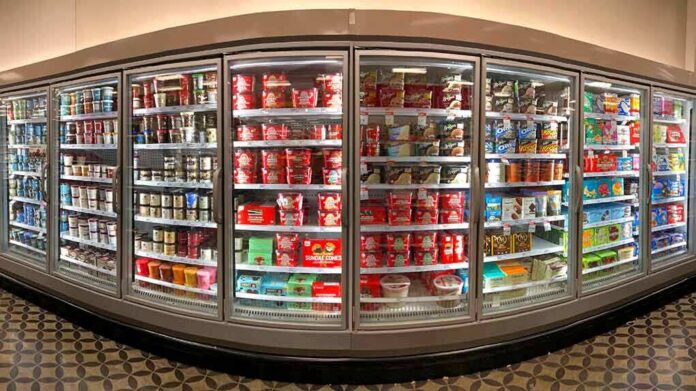
Multiple military base commissaries reported freezers heating up food at roughly the same time, and Pentagon investigators are treating it as a suspected cyberattack.
Story Snapshot
- Pentagon investigators are probing a cluster of freezer failures as a suspected cyberattack.
- At least six commissaries across several states reported similar defrost events, not simple power loss.
- Army and Air Force investigators and United States Cyber Command joined the inquiry.
- A recent French case shows how hackers can remotely spike freezer temperatures.
What Investigators Say Happened
Officials familiar with the inquiry said the Pentagon is treating recent commissary freezer failures as a suspected cyberattack. Reports described freezers entering defrost cycles that warmed food, rather than shutting off from a power outage. Fort Huachuca’s base update said a freezer went into defrost mode and heated product, matching patterns seen at other posts. The failures were reported within days of each other, prompting a coordinated response across services.
Army and Air Force investigators opened probes soon after the incidents surfaced, according to published accounts. An Army cybercrime unit engaged, and United States Cyber Command later joined the effort to assess possible network or control-system tampering. These steps signal concern about operational technology that controls physical systems, including refrigeration at base stores. Officials have not publicly named a suspect or described a specific intrusion method.
Where Problems Were Reported
Published reports and base announcements identified affected commissaries at Fort Huachuca in Arizona, Fort Irwin in California, F.E. Warren Air Force Base in Wyoming, Naval Station Newport in Rhode Island, Columbus Air Force Base in Mississippi, and Travis Air Force Base in California. This list spans long distances and different services, which raises the stakes for supply and safety. Counts vary across outlets, but the strongest common figure cites at least six facilities.
Base posts described outcomes that looked similar across locations. Several stores reported freezers warming stock after entering defrost or maintenance modes, which can ruin meat and dairy if not caught fast. That pattern differs from a simple blackout, which would cut power rather than raise temperatures on command. The Defense Commissary Agency has not released a full tally of spoiled goods or a loss estimate. Officials have not posted a unified, on-record list of sites.
Why A Suspected Hack Fits Known Risks
Security analysts have warned that internet-connected building and refrigeration controls are a growing target. In France this fall, a large retail group said hundreds of supermarkets saw forced defrosts that pushed some cases to extreme temperatures, spoiling food and disrupting sales. That event shows how remote access to controllers can create physical damage without a single broken door or tripped breaker. The Pentagon inquiry is testing whether something similar happened here.
Six US military bases lost their freezers.
Late August.
At least six commissaries. Fort Huachuca. Fort Irwin. Others.
All of them went into defrost mode.
All the frozen food spoiled.
In at least one case the temperature got cranked up overnight.
Staff showed up in the… https://t.co/WOjfDDURGB pic.twitter.com/w012M3pwGS
— Abdulkadir | Cybersecurity (@cyber_razz) October 29, 2026
The Cybersecurity and Infrastructure Security Agency recommends tight inventories, log preservation, and shared indicators when operational technology is involved, because small settings changes can have big, real-world effects. That means controller logs, temperature histories, and access records could be key to this case. Investigators will look for common vendors, software versions, or remote management tools across bases to see if one weak link tied the events together.
What This Means For Troops And Families
Commissaries serve active-duty families, retirees, and base workers who rely on steady, safe food supplies. A freezer that heats food can force quick closures and costly disposal, which hits tight household budgets and base operations. If investigators confirm a cyber cause, it would mark another move from attacks on data to attacks on daily life. Both conservative and liberal families share the same risk when basic systems fail, and they expect government to harden these systems fast.
Leaders across the aisle say they back strong defense and safe communities. This incident tests that promise. Protecting military stores requires clear oversight, vendor accountability, and resources for cyber and maintenance teams. It also requires simple steps: strict access control, tested backups, and alarms that page staff when temperatures rise. These defenses are not political; they are practical. One freezer going warm is a mistake. Many going warm at once is a mission problem.
Sources:
washingtontimes.com, militarytimes.com, thenextweb.com, yahoo.com, taskandpurpose.com, insiderpaper.com, securitymagazine.com