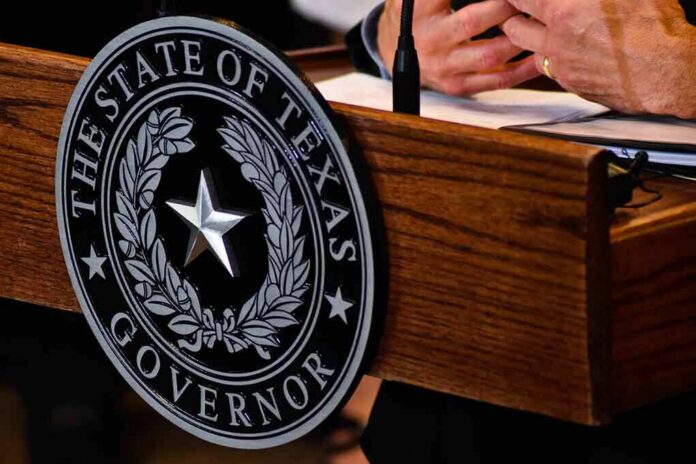
Texas Democrats filed House Bill 126 to erase the state’s abortion bans and reopen gender-related care for minors, setting up a direct fight over who decides children’s health and family choices.
Story Snapshot
- HB 126 would repeal multiple Texas abortion bans and related restrictions.
- The bill would also roll back the 2023 ban on gender-related care for minors.
- The author frames the bill as restoring access to healthcare and choice.
- Analysts say the measure could face a hard path in the Senate.
What HB 126 Proposes To Repeal
Texas Representative Donna Howard filed House Bill 126, which targets several layers of Texas abortion law. The measure would repeal the 2022 “trigger” ban that took effect after the Supreme Court’s 2022 ruling, the 2021 so-called Heartbeat Act, and a 1925 pre-Roe statute that the state revived after Roe fell. Reports also say HB 126 would remove rules on waiting periods, required sonograms, and medication limits tied to abortion care. The bill sets a September 1, 2027 effective date in its introduced text.
Coverage says the bill also moves outside abortion to address care rules for minors. HB 126 would reverse the 2023 law that banned doctors from providing puberty blockers, hormones, and surgery for transgender youth, restoring access that lawmakers had cut back three years ago. This link between abortion rules and youth gender care in a single bill makes the debate larger and sharper for both sides, drawing in more voters and interest groups at once.
How The Bill’s Backers Explain Their Goal
Representative Howard ties the bill to access to healthcare rather than a party slogan. She said Texas has stacked more than a decade of limits that now need a reset. Her stated aim is to find common ground that lets women get the care they need while removing layers that block access. That framing speaks to voters on both sides who feel the system is not working and who see rules written far from the exam room and family table.
Supporters also point to practical barriers baked into current law. Reports describe how rules such as waiting periods, mandatory sonograms, parental consent, and extra limits on abortion medication add time, cost, and stress to care decisions. Those steps often fall hardest on low-income families and rural areas, where long drives and time off work carry real costs. The bill’s backers say removing those layers would reduce delays and confusion in urgent moments.
Why Opponents See Risk To Children
Opponents argue that bundling abortion access and youth gender care invites harm to those least able to consent. Some coverage sharply warns that minors could face permanent, life-altering procedures if the 2023 protections fall. That charge resonates with parents who fear pressure on kids and who distrust systems they see as driven by ideology or profit. The political environment makes this message potent, especially when headlines stress danger to babies and children.
Policy analysts also flag a possible drafting gap. One review notes that while HB 126 would repeal a list of banned practices, a separate section of Texas law still orders the medical board to revoke a doctor’s license for giving gender-related care to minors. If that section stays on the books, it could block care even after other parts are repealed, or spark court fights over what rule controls. That technical issue could become a central argument as committees review the text.
The Legislative Math And Timing
Reports say HB 126 may have a path in the Texas House but a harder road in the Texas Senate, which complicates the outlook for a broad rollback. Even if it passes both chambers, the introduced version would not take effect until late 2027, which delays any real-world changes for years. That timing pushes the fight into the next election cycle, where campaigns, outside money, and media framing could reshape the bill or stall it outright.
Ken Paxton secured a $10M settlement from Texas Children's Hospital for transing minor children.
James Talarico thinks that "our trans community needs abortion care too."
Choose wisely. pic.twitter.com/bDR7OeRMjE
— Brandon Gill (@elena_rodz17) November 15, 2026
Texas sits inside a national tug-of-war on abortion and youth care that mixes laws, court rulings, and medical guidance. Research has linked strict abortion bans to changes in where and when people get care, and to more births than expected after bans took effect in Texas, suggesting many could not access abortion even with travel. The evidence on youth gender care is more contested, and that gap fuels the current political push and the fierce rhetoric around minors.
Why This Fight Feels Bigger Than One Bill
For many Texans, this debate is about control. Families want space to decide. Lawmakers want clear guardrails. Doctors want rules they can follow without risking jail or their license. Both the left and the right worry that distant elites set terms while regular people pay the price in fear, time, and money. HB 126 forces a choice: keep layers of state control in place, or shift power back toward families and their doctors, with all the trade-offs that move brings.
Sources:
thegatewaypundit.com, statesman.com, erininthemorning.com, news4sanantonio.com, usatoday.com, voz.us, texastribune.org, capitol.texas.gov