Iran’s top clerical body urged leaders to consider quitting the nuclear treaty, tying the move to threats and a promise of retaliation without borders.
Story Snapshot
- Iran’s Assembly of Experts urged a review of withdrawal from the Nuclear Non‑Proliferation Treaty and a tougher defense doctrine.
- The statement warned of an “immediate” and geographically “unrestricted” response to future attacks.
- Iran remains an NPT member; the Foreign Ministry says the country is still bound by the treaty.
- Iran reduced inspector access since 2021 and defends uranium enrichment up to 60 percent as its right.
What Iran’s Assembly Said And Why It Matters
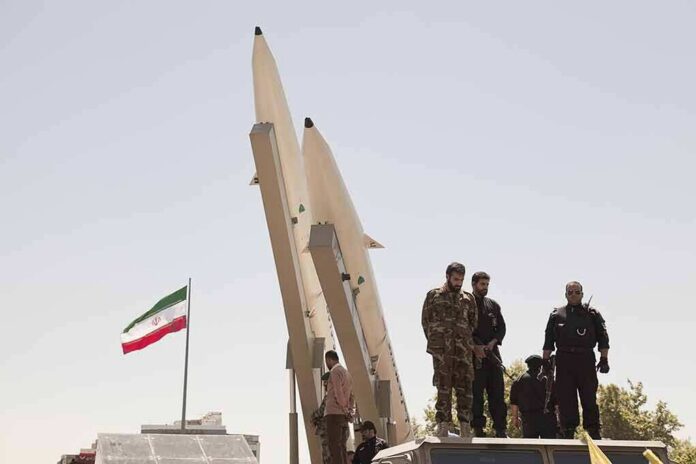
On November 12, Iran’s Assembly of Experts called for leaders to consider withdrawing from the Nuclear Non‑Proliferation Treaty. The body linked this to a review of the defense doctrine and building “necessary deterrence.” The statement cited threats to Iran’s “nuclear knowledge” and distrust in international institutions as reasons to study an exit. The Assembly warned that any further attack would draw an “immediate” and geographically “unrestricted” response, tying legal debate to military risk.
The call signals pressure inside Iran’s system, but it is not a legal withdrawal. The Assembly can urge policy but cannot execute treaty steps on its own. Withdrawal from the treaty requires formal notice under Article X. Other Iranian officials moved to cool talk of a break. The Foreign Ministry said Iran remains committed to the treaty, and no final doctrine change has been made, according to named statements in reporting.
Where The Nuclear Program And Inspections Stand Today
Iran has already cut back international visibility at its nuclear sites. In a formal note to the International Atomic Energy Agency, Iran said it stopped extra transparency steps in 2021, including the Additional Protocol and Modified Code 3.1. That move reduced access beyond the basic safeguards deal. The same document argues the treaty does not set an enrichment cap and calls enrichment up to 60 percent an “inherent right,” framing a legal defense for current activity.
Reduced access means fewer eyes on sensitive work. Agency and expert reporting since 2021 describe gaps in monitoring and verification of key sites and stockpiles. Analysts stress that Iran’s 60 percent enrichment level is unusual for a non‑nuclear‑weapon state under the treaty, and that reduced inspector reach raises the risk of errors in accounting. None of this proves a bomb exists today, but it narrows warning time if leaders decide to sprint.
Chemical Weapons Claims And The Evidence Gap
Public debate has also touched chemical weapons, but the record here is thin. The available research package contains no verified finding from the Organisation for the Prohibition of Chemical Weapons or the United Nations that Iran has produced, weaponized, or used chemical agents. Iran has rejected outside accusations in formal statements. Without technical reports, lab results, or inspections, chemical claims remain unconfirmed in this set of sources.
This gap matters for public trust. Mixing unverified chemical claims with documented nuclear inspection cutbacks can blur key lines. The nuclear issue rests on on‑record steps Iran has taken and on its defense of 60 percent enrichment. The chemical issue, as presented here, lacks named, testable evidence. Keeping them separate helps citizens judge risk without hype, and pressures institutions to stick to facts that can be checked.
What Comes Next And Why Americans Should Care
The Assembly’s move is pressure politics and a signal to outside powers. History shows that threats to quit the treaty can be used to gain leverage, as North Korea did before and after 2003. Treaty law requires three months’ notice to the United Nations Security Council before a withdrawal takes effect, which creates a diplomatic window. Clear steps now could shore up inspections and reduce the chance of miscalculation and war in a busy election and conflict cycle.
For Americans who worry the system serves elites, this story fits a pattern. International rules weaken when powerful states bend them and when inspectors lose access. That invites propaganda, market shocks, and higher energy costs. Citizens on the right and left both pay the price. Demanding straight facts, verified monitoring, and a single, public plan from Washington can lower risk and stop costly drift. That is not partisan. It is common sense grounded in evidence.
Sources:
realcleardefense.com, globalsecurity.org, iranwire.com, iranobservatory.org, iaea.org, naharnet.com, iranintl.com, opcw.org, armscontrol.org