A sworn statement by Thomas Markle Jr. to Philippine child-protection police has sparked an international probe into alleged child abuse material tied to his father’s stored belongings.
Story Snapshot
- Thomas Markle Jr. filed a sworn statement in Cebu, describing alleged child abuse files in boxes linked to his father.
- Reports say Philippine authorities and the Federal Bureau of Investigation (FBI) were notified; no charges announced.
- Samantha Markle disputes the claims, saying devices were out of Thomas Sr.’s control and calling the allegation baseless.
- Key evidence, forensic results, and official records have not been made public, leaving core facts unverified.
What triggered the investigation
Reports state that Thomas Markle Jr. submitted a sworn statement to specialist child-abuse officers in Cebu on October 22, 2026. Coverage describes four cardboard boxes at a former Cebu residence that allegedly held “hundreds, if not thousands” of images and videos on devices among Thomas Sr.’s stored belongings. A named journalist reportedly witnessed the filing. Authorities were said to be preparing steps to review evidence, while formal outcomes were not announced.
People magazine reported that the boxes contained items tied to Thomas Sr., including family materials, as well as older phones and hard drives. The outlet also said no charges had been filed and no official findings were public. That distinction matters. A sworn complaint can start an inquiry, but it does not prove the files were illegal or that any person knowingly possessed them under law.
What is known, and what remains unclear
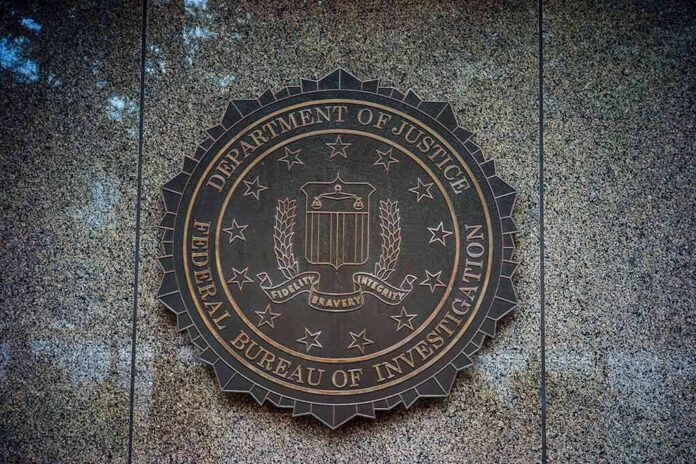
Coverage indicates that Philippine child-protection units received the complaint, and separate reporting says the Federal Bureau of Investigation (FBI) received the affidavit contents. These reports describe an active review stage, not a completed case. Evidence lists, file counts, chain-of-custody logs, and forensic results have not been released. Without those records, claims about who accessed, stored, or controlled files remain open questions pending expert analysis and legal process.
Cross-border issues add complexity. Devices were reportedly left in the Philippines while Thomas Sr. is in the United States. That split raises questions about which laws apply, how evidence moves between countries, and how to preserve digital integrity. United States guidance stresses strict chain-of-custody and search-warrant rules for digital evidence. Philippine procedures must also align with any mutual legal assistance steps to ensure results stand up in court if charges follow.
The counter-claims from family and the credibility fight
Samantha Markle publicly rejected the allegations. She said the devices were out of Thomas Sr.’s hands for about two years, were stored in different places, and that there was no proof he downloaded illegal images. She also accused Thomas Jr. of acting out of anger. These are claims from a family member, not official findings, but they highlight gaps that only a forensic review and documented custody trail can resolve.
Meghan Markle, Duchess of Sussex, said she was "deeply distressed" by reports that her father, Thomas Markle, is under investigation by authorities in the Philippines for alleged possession of child sexual abuse materials. In a statement to CBS News, she said she had been aware… pic.twitter.com/xXUXqXXnwQ
— CBS News (@CBSNews) October 23, 2026
Media coverage notes that Thomas Sr. has not issued a public response and that authorities have not brought charges. That keeps this matter in an early, high-noise phase where headlines run ahead of vetted proof. Legal scholars warn that celebrity claims often surge before facts are tested. Responsible reporting centers on what is documented now: a sworn statement was filed, an inquiry reportedly began, and the evidence has not been authenticated in public records yet.
Why this matters beyond one famous family
This case sits at the hard edge of two public worries: the spread of child exploitation online and the tendency of elite scandals to play out in the press before facts are proven. Readers on the right and left share doubts about whether institutions handle the powerful the same as everyone else. Transparent steps—secure evidence handling, clear jurisdiction, and timely public updates—can rebuild trust. Without them, people see a familiar pattern: noise, delay, and little accountability.
What to watch next
Watch for official statements from Philippine child-protection authorities describing evidence custody, imaging, and next steps. Look for confirmation from the Federal Bureau of Investigation (FBI) on whether a related United States inquiry opened. Seek court filings, warrants, or preservation requests that show concrete progress. Most of all, look for a verified forensic report that ties specific files to specific devices and users. That is what moves a media claim into tested fact.
Sources:
nypost.com, news.com.au, uk.news.yahoo.com, pagesix.com, 7news.com.au, us.headtopics.com, archive.umsida.ac.id