
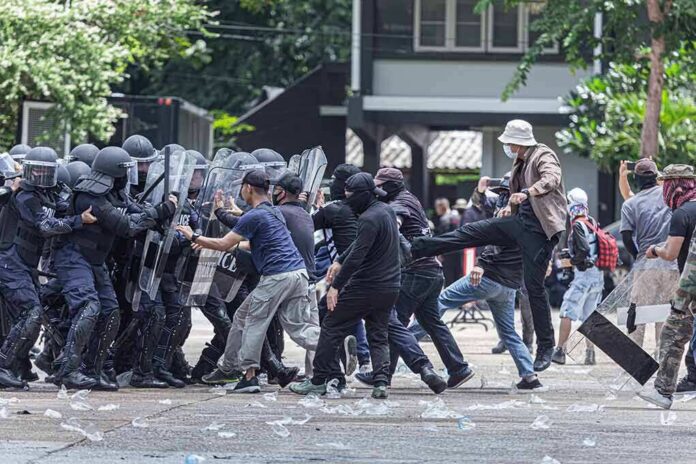
Italy’s government moved to send 500 soldiers to Milan after two days of clashes, looting, and injuries.
Story Snapshot
- Officials plan 500 troops for Milan to deter renewed unrest and protect key sites.
- Police and demonstrators were hurt; dozens of youths were arrested, many of them minors.
- Leaders condemned violence; ministers met to coordinate an immediate security response.
- The force would back the existing Safe Streets mission already patrolling Italian cities.
Government Orders Extra Troops After Milan Unrest
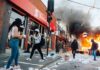
Italy’s cabinet prepared to authorize the deployment of 500 soldiers to Milan after a turbulent weekend. Clashes between demonstrators and police, looting, and property damage pushed officials to act. Deputy Prime Minister Matteo Salvini said troops would defend the city, while Prime Minister Giorgia Meloni led a meeting with ministers and security chiefs to set the plan. Luxury stores closed as a precaution, highlighting business fears of more unrest.
Authorities framed the move as preventive and fast. Reports said the cabinet could grant soldiers temporary policing powers to stabilize trouble spots and support patrols. The goal, officials said, is to deter fresh violence ahead of more planned demonstrations. Salvini described the measures as immediate, suggesting troops would help police maintain order across busy commercial districts and transit hubs if needed.
Arrests, Injuries, and Concerns About Youth Involvement
Police detained many people during the confrontations. One account cited about 50 arrests in Milan, with roughly half of those being minors. That same report listed four injured police officers and about 20 injured demonstrators. The focus on minors sparked debate about how to handle youth offenders and whether new measures should target young people who join violent groups during protests, especially as more rallies were expected.
Officials also flagged the risk that unrest could spread. With new protests planned for the next weekend, the Interior Ministry and local leaders weighed stronger steps. The fear was that small groups could again hijack larger crowds, leading to street fights and vandalism. That possibility pushed the government to stage a visible show of force in Milan and to adjust policing plans for other Italian cities facing similar pressures.
How Troops Would Fit Into Italy’s Security Playbook
The new soldiers would reinforce the long-running Safe Streets operation, which already uses thousands of military personnel to guard sensitive sites. Reports said about 6,800 troops were part of that mission nationwide, and the 500 for Milan would plug into those structures. That means joint patrols, static guards, and quick support to police could scale up in areas where crowds, shops, and transit lines face the greatest risk.
Russia and Iran reaffirm cooperation as Sergey Lavrov meets Abbas Araghchi in Tehran, with Moscow saying it will maintain major economic and energy projects with Iran. Meanwhile, Italy is preparing legislation that could allow troops to reinforce police in Milan after violent… pic.twitter.com/eRu4HcGQMo
— Military Summary (@MilitarySummary) October 20, 2026
Officials have not published a detailed map of duties, limits, or timelines. Reports did not include a formal decree or a full rulebook for any temporary policing powers. Even so, leaders presented the plan as a short-term step to calm flashpoints rather than a permanent shift in law enforcement roles. The message was simple: protect people, protect property, and keep the economy open while protests continue.
Why This Matters Beyond Milan
Italy’s response highlights a tough balance that many democracies face. Leaders must stop looting and assaults without sweeping peaceful protesters into the dragnet. Studies of crowd behavior show a small minority often drives violence, and that police tactics can shape whether tensions rise or fall. That lens helps explain the focus on quick, visible deterrence while officials also talk about narrow, targeted enforcement during planned demonstrations.
Sources:
insiderpaper.com, reuters.com, dw.com, yahoo.com, en.annahar.com