A drone strike tore through Abyei’s Amiet Market at midday, killing at least 153 people and igniting a fuel fire that burned into the next day.
Story Snapshot
- Local Abyei officials blamed Sudan’s military for the strike on Amiet Market.
- South Sudan summoned Sudan’s ambassador and lodged a formal protest over the attack.
- The blast hit near a fuel area, causing fires and a fast-rising death toll, from 73 to 153.
- Abyei’s disputed status and Sudan’s wider war set the stage for more drone warfare near borders.
What Happened at Amiet Market
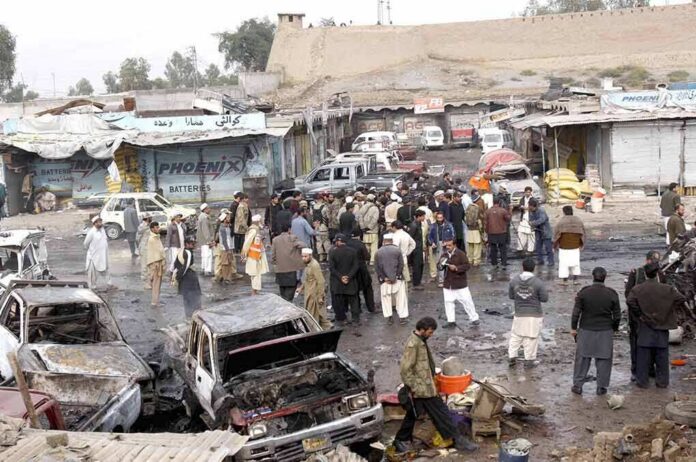
On October 19, a drone struck Amiet Market about 10 kilometers north of Abyei town around late morning, according to local officials. The blast hit a crowded trading hub and set off a fire near fuel storage and trucks. First counts listed 73 dead, but recovery work and the ongoing fire pushed the toll to at least 153 by the next day. Reporters described flames and black smoke still rising from the site as crews searched for victims and survivors.
Local administration leader Yohanna Akol Ngor blamed Sudan’s military for the strike soon after the attack and held to that claim as the toll rose. International outlets reported the accusation while noting he did not provide public evidence to support it. The Associated Press reported that the fire continued into the following day as officials updated casualty figures and as families sought missing relatives across hospitals and temporary morgues.
Official Responses and Diplomatic Fallout
South Sudan’s Foreign Ministry said it summoned Sudan’s ambassador in Juba to protest the attack. The ministry attributed the strike to the Sudanese Armed Forces and called it a grave violation that demanded accountability. The step signaled the government’s support for Abyei officials and raised the stakes between the neighbors. The protest added a state-to-state dimension to a tragedy that began as a local market disaster.
The reports said the attack pattern was clear: a daytime strike in a dense market, followed by a fire near a fuel area. Traders and transport workers nearby suffered heavy losses as fuel and goods fed the blaze. Such secondary fires often push casualty counts higher and complicate rescue work. The combination of a crowded venue, flammable stores, and limited firefighting gear turned minutes of violence into hours of danger.
Why Abyei Is So Volatile Right Now
Abyei sits on the tense line between Sudan and South Sudan. The area’s final status has remained unresolved for years, despite agreements that aimed to create a calm joint administration. Peacekeepers under the United Nations Interim Security Force for Abyei have tried to stabilize the area, but the border question and local tensions continue to spark violence and block progress toward a settlement.
Sudan’s war has also shifted the battlefield. Both the Sudanese Armed Forces and the Rapid Support Forces have used drones near front lines and border areas. That makes drone strikes in general less surprising and raises the risk for civilians in places like Amiet Market. The broader conflict has strained security forces and emergency services, making it harder to protect markets, fuel depots, and transport routes from sudden air attacks.
Human Toll and the Search for Clarity
Families in Abyei now face mass loss and uncertainty. Many victims were traders, shoppers, and drivers who gathered for routine business. Hospitals and clinics struggled to treat burns, blast wounds, and smoke inhalation. As bodies were recovered, the toll moved from 73 to at least 153, showing how fires and debris can hide victims at first. Reporters on the scene said smoke and heat slowed search teams and raised fears of further collapses or explosions.
UPDATE: The death toll from Monday’s drone strike on a market in the disputed Abyei region doubles to 153 as a fire at a nearby fuel depot keeps burning, a local official says.
(AP / Reuters)#EJPH— EJPH News (@ejphnews) October 20, 2026
The world has seen this pattern before: a strike on a civilian hub, fast-spreading fire, and then rising numbers as reality sets in. People across the political spectrum will see a deeper failure here. Civilians paid the price while powerful actors fought over land and leverage. This is the kind of event that feeds distrust in distant elites and international systems that promise protection but often arrive late, or not at all, when a market goes up in flames.
Sources:
latimes.com, radiotamazuj.org, apnews.com, businessday.co.za, news.un.org