
The United Nations-backed inquiry says Russia’s strikes on Ukraine’s energy system were war crimes and crimes against humanity, carried out as a policy to make civilians suffer.
Story Highlights
- A UN Commission concluded Russia intentionally attacked civilian energy sites, calling it war crimes.
- Investigators said the strikes were part of a state policy aimed at depriving civilians of heat and power.
- Attacks surged in winter, causing widespread outages as temperatures plunged below freezing.
- Russia claims it targeted military-linked energy facilities, not civilians, a point the UN rejects.
UN Findings: Intentional Strikes On Civilian Energy
The Independent International Commission of Inquiry reported that Russian authorities committed war crimes by directing attacks at civilian objects and committed crimes against humanity through other inhumane acts. The Commission said the targets included electricity generation, transmission, and heating assets that keep homes warm and hospitals running. The inquiry stated that the attacks aimed to break essential services, not only battlefield capacity. That legal finding rests on the claimed intent and the civilian nature of many facilities hit.
Commission Chair Erik Møse told the United Nations General Assembly that commanders knew heating sites in large cities were vital to civilians. He said the pattern showed increased strikes as winter started, when power and heat matter most. That timing, the Commission argued, showed intent to inflict suffering on the public. The panel framed this as more than sporadic incidents. It described a repeatable plan focused on civilian dependence and the expected harm that would follow.
Winter Campaign And Widespread Civilian Harm
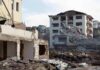
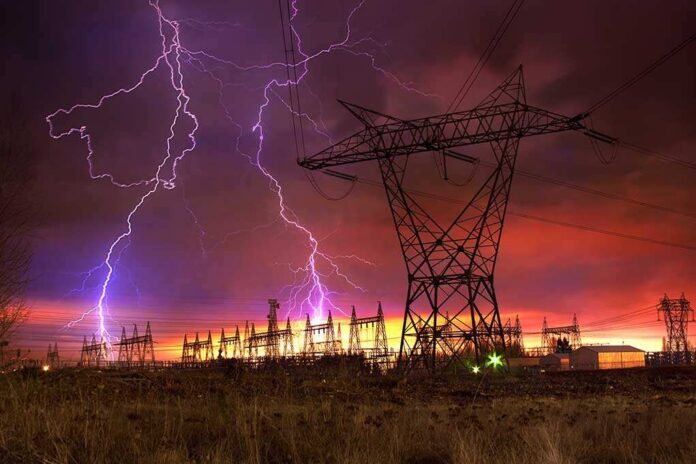
A United Nations human rights update documented systematic attacks across the 2025–2026 winter, often using large salvos of missiles and drones. The strikes damaged grid nodes and pipelines, triggering rolling blackouts and heat cuts for millions. Repair teams faced shortages and fresh hits while temperatures fell to minus twenty-one degrees Celsius, extending outages. The report linked technical damage to direct civilian harm, including loss of heat, water, and medical services during the coldest months.
The Commission said the evidence supported a conclusion that the attacks followed a state policy, not isolated battlefield errors. The report asserted that the purpose was to deprive the public of electricity and other energy-dependent services and cause suffering. Earlier United Nations findings from 2022–2023 set the baseline for this pattern, describing widespread and disproportionate energy strikes then as well. The new assessment builds on that record by adding the winter surge and asserted policy link.
Russia’s Denial, Legal Standards, And Evidence Gaps
Russian officials say their forces strike only military or military-related targets, including energy sites that support logistics and defense work. State media reports cited substations said to power military industry or transport hubs. The Commission addressed this, noting that a facility’s possible military use does not make every strike lawful. Under the law of war, a target must offer a definite military advantage, and the attack cannot be aimed at civilians or cause excessive harm.
A UN inquiry cited Vladimir Putin's own instructions in concluding that Russia's attacks on Ukraine's power grid constitute war crimes and crimes against humanity. Russian forces have continued striking Kyiv with successive waves of missiles. https://t.co/ofWrUIOVFx
— Anonymous (@YourAnonCentral) October 27, 2026
The Commission released summaries, not the full incident-by-incident evidence, which limits outside review of each strike’s details. The panel’s legal claims depend on its investigation files, which may surface later in court cases. That gap fuels skepticism in some quarters and feeds broad distrust of international bodies. Still, the Commission’s mandate, data, and public testimony provide a concrete basis for today’s findings, while further disclosures could test them more fully.
Why This Matters At Home
Americans across the political spectrum worry that elites bend rules while regular people pay the price. This case shows how power can target the basics of life—heat, light, and water—to force outcomes. That cuts against values many share: protect civilians, keep wars within rules, and hold leaders to account. If the findings hold, they challenge governments, including allies and rivals, to back words with action, or admit that rules for war are only for the weak.
Sources:
military.com, ohchr.org, media.un.org, cnn.com