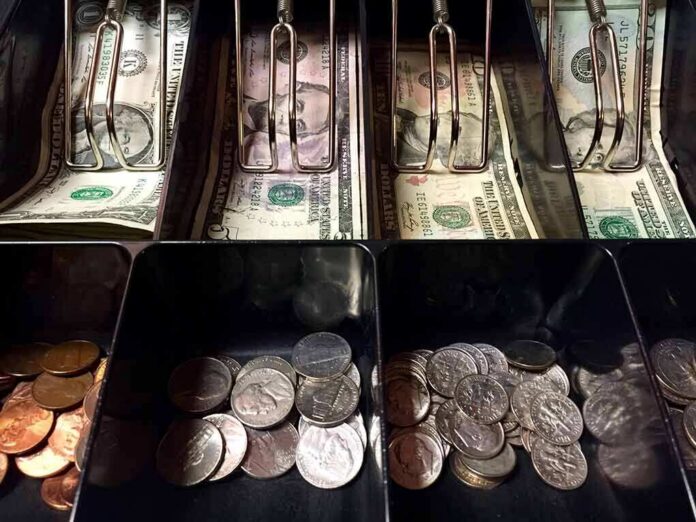
Federal agents seized about $460,000 from an Arizona mini market, and nearly 20 months later the owner still had no charges or clear path to get it back.
Story Snapshot
- Agents raided Ayala’s Mini Market on February 25, 2025, and took cash, checks, devices, and records.
- The owner says no charges were filed and no forfeiture case or clear notice arrived after the seizure.
- Search warrants reportedly listed “structuring” as the only suspected offense behind the raid.
- The inventory left at the store did not list the amount of cash taken, fueling a records dispute.
What Happened In The Glendale Raid
On February 25, 2025, federal agents raided Ayala’s Mini Market in Glendale, Arizona. Agents from Internal Revenue Service Criminal Investigation and Homeland Security Investigations seized cash, checks, three computers, five cellphones, and business records. Reporting placed the seized money at about $460,000. The owner, Mario Ayala, said the money funded check-cashing and other lawful services at the store. Local outlets and national coverage described the same property list and date of the raid.
Search warrants reportedly cited one suspected offense: structuring. Structuring means breaking up transactions to avoid federal reporting rules. News reports that reviewed the warrants state no other suspected offense appeared in the documents. Agencies did not give a detailed account of their evidence for structuring when asked by reporters. By press time, officials either declined to comment or had not responded to questions about the operation.
Aftermath: No Charges And No Clear Notice
After the seizure, Ayala said he waited for paperwork that never came. Coverage says agents told him to expect a letter within 30 days, but nothing arrived. Nearly 20 months later, reporters found no criminal charges had been filed and no civil forfeiture case had been opened in court. Ayala’s lawsuit says this silence left him without a way to challenge the loss of his money and equipment.
The one-page inventory that agents left at the store listed computers, phones, documents, and currency. It did not show how much cash was taken. That omission matters because the reported total, about $460,000, includes both cash and checks. Without an itemized count, Ayala says he cannot confirm the exact amount removed or press for a full return of funds needed to run his business.
Why The Case Taps A Bigger National Fight
This dispute highlights how civil asset forfeiture works and why it draws fire from many sides. Under federal law, the government can seize property tied to suspected crimes without first charging the owner. The Civil Asset Forfeiture Reform Act requires agencies to send written notice within 60 days or proceed in court on a set timeline. Reformers argue long delays punish owners before any judge reviews the facts.
$460,000 taken from a Glendale mini market, 20 months later no charges and no property back. Owner Mario Ayala is now suing in federal court. Civil asset forfeiture risk is real: keep tight books and know your rights before a knock.
— LLC Geek (@LLC_Geek_com) October 21, 2026
Owners like Ayala say losing operating cash and devices can cripple a small business fast. He links the raid to a drop in customers and revenue, though those claims are his and not backed here by public records. Agencies say forfeiture helps stop crime and disrupt illegal money flows. But when months pass with no charges and no clear notice, both conservatives and liberals see a system that feels unaccountable and tilted toward government power.
Sources:
reason.com, azfamily.com, hoodline.com, kjzz.org, abc15.com, ktar.com, ground.news