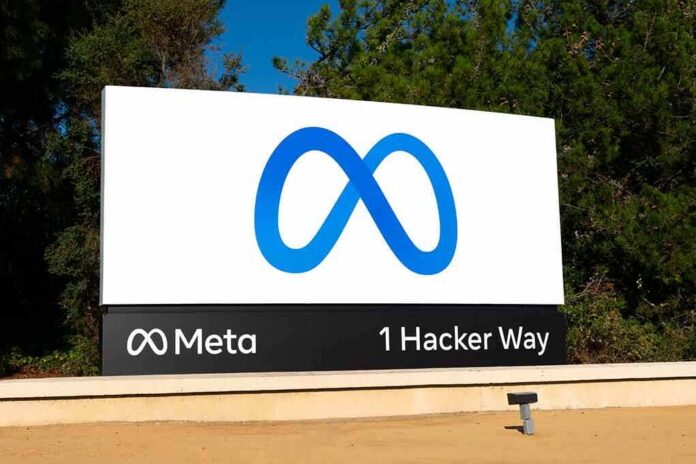
Meta created a new non-voting stock that lets Mark Zuckerberg raise cash while keeping control, after he considered leaving California over a potential billionaire wealth tax.
Story Highlights
- Meta disclosed a Class C non-voting share plan that gives Zuckerberg liquidity without losing voting power.
- Zuckerberg weighed moving out of California as a 5% one-time wealth tax advanced toward the ballot.
- A new agreement ties him to remain where Meta is headquartered for eight years, with limited exceptions.
- Supporters say the tax could fund health care with tens of billions; estimates vary widely.
What Meta Changed And Why It Matters
Meta filed plans for a dividend of Class C non-voting shares that Zuckerberg can sell for cash while keeping his voting stake intact. The filing described a path for him to liquidate part of his holdings without dumping voting shares into the market. Reports say 20% of the new allotment could be sold right away, equal to about 10% of his economic interest, while he keeps control of Meta’s decisions. That setup blends personal liquidity with continued corporate control.
Meta also pointed to its massive artificial intelligence buildout as a reason to create a publicly traded non-voting class. The new shares could broaden the investor base without weakening Zuckerberg’s grip on votes. That is a classic dual-class trade-off: easier access to capital and founder stability, but fewer checks on control. Shareholders often worry when cash and control move in different directions. This plan puts that tension on center stage while giving Meta more financing options.
The Tax Fight Driving The Tension
Zuckerberg told directors he might move if California voters approve Proposition 40, a one-time 5% tax on people with over $1 billion in assets, with most funds targeting health care. Meta’s filing warned he could face a multi-billion-dollar bill tied to his Meta stake if the measure passed. That risk sparked a deal. The company created a way to raise cash fast, and Zuckerberg agreed to stay tied to the company’s home base for eight years, unless major events force a change.
Backers of the tax say it could raise large sums for health care and other aid, with public materials describing a temporary revenue surge of tens of billions of dollars. Some news outlets repeat a $100 billion goal from supporters, though independent estimates range far lower. The Legislative Analyst’s Office and academic work point to wide uncertainty and possible knock-on losses if rich residents leave. That spread in forecasts shows how hard it is to bet a budget on a few hundred people.
What We Know And What We Do Not
The record is clear on the company mechanics. Meta proposed non-voting Class C shares, immediate partial sale ability, and a founder agreement that links Zuckerberg’s service and residence to Meta’s headquarters location for eight years. The filing states the structure could help him handle a possible large tax bill. It also pitches the class as a tool to support artificial intelligence spending. Both aims can be true, but the filing does not rank one purpose over the other.
Meta CEO Mark Zuckerberg threatened to move out of California if residents of the state approve a first-of-its-kind billionaire wealth tax when voters head to the polls on Nov. 3, the company said in a new regulatory filing. https://t.co/QxdkQ0uVND
— CBS Mornings (@CBSMornings) October 22, 2026
Key limits remain. Proposition 40’s outcome is not settled here, and estimates of its yield vary by tens of billions of dollars. We do not have a public, line-by-line tax calculation for Zuckerberg’s exposure. We also lack details on any independent fairness review of the Class C plan or a shareholder vote path. Those gaps do not erase what happened, but they do shape how much we can infer about the long-run costs, benefits, and governance checks tied to this deal.
Why This Resonates Beyond One CEO
California relies heavily on high earners and stock gains, which makes its revenue swing with markets and the choices of a small group. A single ballot measure can push founders to plan around the state. Voters want strong services, and many also want a fair tax system. But they also see that insiders cut deals that most families never could. This story taps both views: a state looking for funds, and a leader using corporate tools to stay in charge and manage risk.
Sources:
youtube.com, cnbc.com, fortune.com, finance.yahoo.com, quickguidetoprops.sos.ca.gov, hoover.org, insights.som.yale.edu