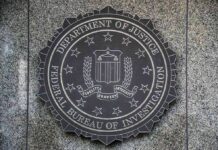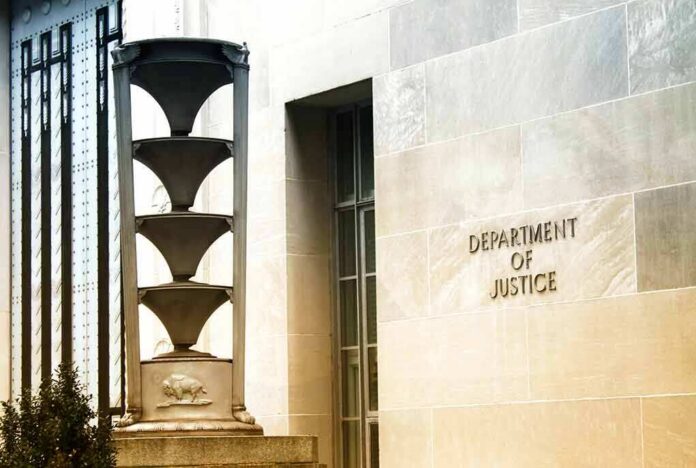
The Justice Department asked a federal court to make California set aside vote-by-mail ballots tied to more than 20,000 “likely” noncitizens until each person’s citizenship can be checked.
Story Highlights
- Justice Department filed a lawsuit after flagging over 20,000 “likely” noncitizens on California voter rolls.
- Federal officials want counties to hold, not count, affected mail ballots until citizenship is verified.
- Department of Homeland Security matches drove the list; details on error rates are not public.
- California officials say the federal data is unverified and note past large lists collapsed under review.
What the Justice Department Asked the Court to Do
The Justice Department filed a complaint on October 15, 2026, saying federal data matches found more than 20,000 people “likely” to be noncitizens on California’s voter rolls. The filing asks a judge to require counties to set aside mail ballots from those flagged voters. The request would pause tabulation until each voter’s citizenship is confirmed. The department says the goal is to prevent ineligible votes in federal races while protecting eligible voters’ ballots.
Federal lawyers say the list came from the Department of Homeland Security comparing California’s voter rolls with federal databases. The government says it transmitted names to state and county officials two days before the suit and sought quick review. The relief sought targets ballot handling, not automatic cancellation of registrations. The department did not release the list or the matching method publicly, citing sensitivity around personal data.
How California Officials Responded
California’s top election official, Secretary of State Shirley Weber, said the federal government has not provided evidence that the 20,000 names belong to noncitizens. Los Angeles County Registrar Dean Logan said eligibility changes must rely on verifiable information, not unconfirmed matches from outside databases. Logan also said his office did not access the federal thumb drive due to local data-security rules about portable devices and requested a secure method and detailed records.
State and local officials pointed to recent history in nearby states. They said a large federal estimate in Nevada was cut down to 185 names and, after review, every person on that list was a United States citizen. They argue that mistakes in data matching are common when old immigration records or similar names are involved. They warned that setting aside ballots based only on “likely” status risks delaying or chilling valid votes without solid proof.
Why the Evidence Standard Matters Right Now
Election officials and courts often sort four different facts: being flagged by a database, being registered, getting a ballot, and having a ballot counted. Those are not the same thing. The Justice Department complaint focuses on preventing counting until status checks finish. It does not claim a proven number of noncitizen votes already cast. The department’s public materials do not include error rates or match fields, which limits outside review before a judge acts.
https://twitter.com/KGRAM_ADA/status/2111096417351528848
Many voters across the spectrum worry that elites bend rules and that the system resists sunlight. This clash fits that fear. Federal officials say they are guarding the ballot box. California leaders say secret lists can harm eligible voters. Both concerns touch core values: clean rolls and fair access. A practical next step would be a joint, documented review that verifies each case and tracks how many flagged voters actually returned a ballot, with a clear appeal path for errors.
Sources:
redstate.com, politico.com, abcnews.com, kpbs.org, pbs.org, democracydocket.com