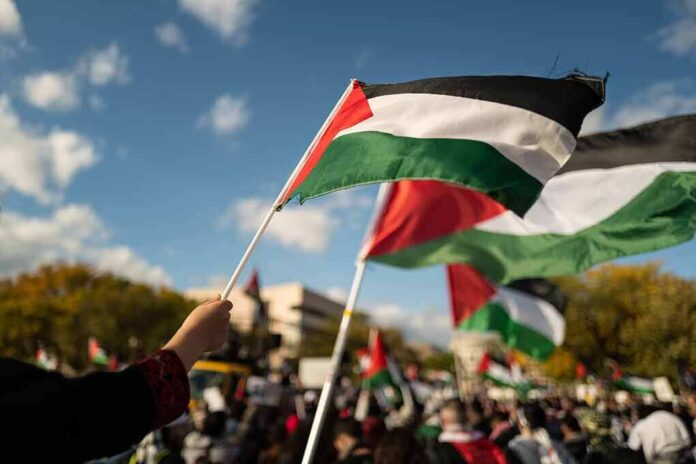
Mahmoud Abbas pushed Palestinian elections to 2027, extending rule without a fresh vote as frustration deepens across the region.
Story Snapshot
- Abbas signed a decree moving legislative and presidential elections to September 11, 2027.
- The decree cites Israeli restrictions, raids, and settler violence that would block free, fair voting.
- Officials say voting must include Gaza, the West Bank, and East Jerusalem to be legitimate.
- Critics inside Palestine and abroad warn this extends long-delayed elections and legitimacy questions.
What Abbas Decided And When The Vote Will Happen
Palestinian Authority President Mahmoud Abbas signed a decree on October 10, 2026, postponing elections that were planned for November 28, 2026. The order sets both legislative and presidential elections for September 11, 2027, and keeps the plan for a single, simultaneous vote across all territories. This is the first detailed reset of the calendar in years. It aims to hold one national event rather than split votes by office or by region.
Palestine Liberation Organization leaders backed the delay after talks with several factions and civic groups, according to reports. They said elections must include Gaza, the West Bank, and East Jerusalem to count as a true national vote. Officials framed the move as a pause, not a cancellation. They also said they will prepare conditions for broad participation, including by residents of East Jerusalem who took part in past votes under tight rules.
Reasons Cited: Security, Access, And Control Of Movement
The decree points to concrete obstacles tied to Israeli policy and on-the-ground violence. Reports say election workers and international observers face limits entering Gaza and East Jerusalem. The decree also cites Israeli military raids, settler attacks, movement checkpoints, and the withholding of Palestinian tax revenue as impediments to a free, fair, and inclusive vote. These factors, the leadership argues, block safe polling sites, staff travel, and oversight needed for trusted results.
Leaders also argue that holding a national vote without East Jerusalem or Gaza would undercut credibility and invite legal challenges. Since the 1990s, East Jerusalem participation has been a core part of Palestinian claims to a single electorate, even when access was limited. Officials say current restrictions make that participation unworkable without changes by Israel or strong international guarantees. That stance links today’s delay to earlier disputes over who can vote and how.
Why This Matters: Legitimacy, Aid, And A Long Gap Without Elections
This postponement lands in a sensitive place. Palestinians have not held legislative or presidential elections since 2005 and 2006. That long gap heightens public anger and feeds doubts about accountability. International partners, including in Europe, have pushed for elections and tied some aid and political support to concrete reform steps. Delaying again risks more pressure and sharper claims that the current leadership lacks a fresh mandate.
🇵🇸 Palestinian Authority President Mahmoud Abbas on Saturday postponed the November 28 legislative elections, which would have been the first national vote in two decades, to September 11, 2027, when a presidential election will also be held, according to the official Wafa news… pic.twitter.com/k3coaYa6fE
— AfrikTimes (@afriktimesint) October 11, 2026
Israel’s government has argued that the Palestinian Authority lacks legitimacy, a view strengthened by each delay. The new date may not ease that criticism. At the same time, the Palestinian leadership says the decision is about safety, access, and the integrity of a national vote, not about clinging to power. Both narratives will shape how capitals in the region and in the West respond, and whether outside actors help create conditions for voting next year.
What To Watch: Practical Steps That Will Show If 2027 Is Real
Several concrete moves will signal if a 2027 vote is on track. First, the release of the full decree text and any legal notes would clarify terms and timelines. Second, documentation from the Central Elections Commission on staff access, permits, and site plans would show if obstacles ease. Third, financial records on tax transfers and election budgets would reveal if operations can scale in time. Fourth, a clear framework for East Jerusalem participation would test the core sticking point.
Sources:
humanevents.com, dw.com, rmb.reuters.com, internazionale.it, jpost.com