A New Mexico judge threw out Timothy Busfield’s child sex-abuse indictment after finding the prosecution misled the grand jury and blocked witnesses, yet left the door open for new charges.
Story Highlights
- A judge dismissed four child sexual-contact counts against Busfield due to grand-jury process violations.
- The ruling said prosecutors withheld requested witnesses and failed to act fairly and impartially.
- The dismissal was procedural and did not decide whether abuse occurred; the state can refile.
- Melissa Gilbert publicly reacted as her husband denounced the allegations and claimed innocence.
What The Court Decided And Why It Matters
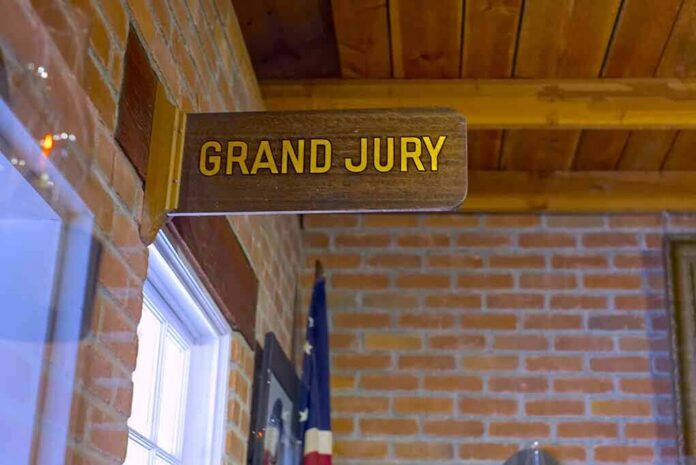
State District Judge Joseph Montaño dismissed the indictment after finding that prosecutors mishandled the grand-jury process. Reports say the court ruled that the prosecutor failed to act fairly and impartially and used a process that withheld witnesses requested by grand jurors. People and other outlets also reported the court’s criticism of how the state guided jurors, which undermined the proceeding’s integrity. The case did not go to trial, and the decision did not rule on guilt or innocence.
Coverage says the indictment had charged Busfield with four counts of criminal sexual contact of a minor, connected to filming in Albuquerque in 2023 and 2024. The judge’s order focused on process, not facts about the set or the children. Under New Mexico law, dismissing an indictment for misconduct is rare, but courts can do it when the prosecutor compromises the grand jury’s independent judgment and structural safeguards. That is what the judge found here, according to the reports.
What Happens Next For Prosecutors And Defense
The state retains a path to seek a new indictment that fixes the errors. Reports say the court noted prosecutors remain free to bring charges again. If they do, they must properly instruct the grand jury, present required evidence, and allow witnesses requested by jurors. That could include production staff or others tied to the alleged events. A clean process could restore public trust in the case, but the earlier findings may still weigh on jurors and readers who followed the story.
Busfield has denied the allegations in strong terms. Reuters reported he called the claims “lies,” and coverage has quoted him rejecting any inappropriate touching. Global News published investigative audio where Busfield said he was never alone with the boys and that nothing sexual ever happened. KOAT reported he acknowledged nonsexual contact in a busy set environment but maintained it was not improper. These denials exist alongside the grand jury’s earlier decision, which is now voided on process grounds.
How This Case Fits A Larger Pattern Of Distrust
This ruling adds to public frustration with how powerful institutions handle grave cases. People across politics worry that rules bend for elites or get ignored when careers are on the line. Here, the judge found the state shorted the rules that protect both victims and the accused. When process breaks, everyone loses. Alleged victims lose a fair path to be heard. The accused loses a fair path to clear his name. The public loses faith that the system serves justice.
NEW: A New Mexico judge threw out the grand jury indictment against actor and director Timothy Busfield on Friday, citing prosecutorial misconduct and errors in the grand jury process. The ruling is a major procedural setback in a case involving allegations of sexual contact with…
— WTVC NewsChannel 9 (@newschannelnine) October 17, 2026
At the same time, the case involves minors and privacy limits. That means much of the evidence will never be fully public, even if charges return. That gap can feed more doubt. The best answer is a process the community can trust. If prosecutors refile, they must present a full and fair record. If they do not refile, they should explain what barred them from moving ahead without risking harm to children. Either way, careful steps now can prevent deeper damage later.
What Melissa Gilbert’s Reaction Signals
USA Today and other outlets covered Melissa Gilbert’s reaction after the dismissal, which drew new attention because of the couple’s public profile. Her statement arrived as headlines shifted from the conduct alleged on set to the conduct inside the grand jury room. Celebrity status can warp coverage toward personalities over process. But the core issues here are not fame or gossip. They are whether the system obeys its own rules and whether it can deliver truth without fear or favor.
Sources:
cnn.com, usmagazine.com, thewrap.com, yahoo.com, miamiherald.com, nytimes.com, globalnews.ca, law.justia.com