Federal and local investigators say two 15-year-old girls researched school shootings for months and discussed an attack on Corona High School.
Story Snapshot
- Federal Bureau of Investigation (FBI) tip led police to alleged months-long online planning tied to Corona High School.
- Police say messages discussed how to get weapons, though none were found.
- Two 15-year-old students from Corona and nearby Norco were arrested on conspiracy charges.
- Case remains under review by the Riverside County District Attorney’s Office.
Police Describe Months of Research and Planning
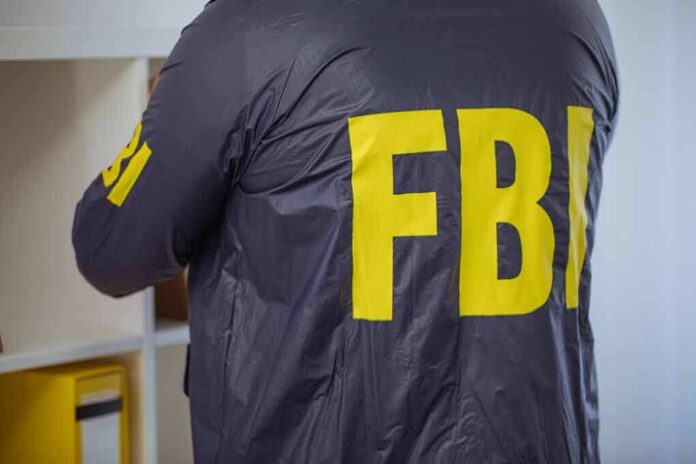
Corona Police said the Federal Bureau of Investigation (FBI) alerted them on October 6, 2026, to social media messages about a possible threat to Corona High School. Detectives served search warrants and reviewed online communications linked to two local teens. Police said the messages showed months of research on school shootings and discussions about how to carry out an attack at the high school on a future date. Officials did not release the actual messages due to the juvenile case.
Investigators said the girls also discussed ways to obtain guns but had not secured any. Searches found no firearms. Police emphasized that the absence of weapons did not change their view that the planning merited arrests for conspiracy. The Corona Police Department stated that prevention was the priority given the nature of school threats and what the messages described about possible methods and timing being “unspecified” but intentional.
Who Was Arrested and What Comes Next
Police identified the suspects as two 15-year-old students, one from Corona High School and one from Norco High School. Officers arrested both on suspicion of conspiracy to commit murder. The teens remained in juvenile custody while the Riverside County District Attorney’s Office evaluated possible charges and next steps in court. Authorities did not release names, consistent with rules that protect minors in juvenile cases.
Reporters quoted a Corona Police statement saying the evidence supported a conspiracy allegation because it showed an agreement and planning actions that went beyond a single comment. The department framed the case as an example of why early reporting and digital review matter when a threat involves a specific school. Officials stressed that the FBI’s initial tip allowed local officers to move fast before any weapons were obtained or a date was set.
How This Fits a Prevention Model for School Safety
The case follows a prevention model used across the country. The United States Secret Service has advised schools and police to focus on behaviors and communications, not profiles or rumors. Past studies found warning signs often show up before violence, and teams can act when someone researches attacks, makes threats, or seeks weapons. That approach aims to interrupt planning and provide help or consequences before a person can carry out harm.
Police say there is "indication that revenge played some role" in the alleged shooting plot against a Southern California high school by two 15-year-old girls, and that "there was a list with individuals' names on it."https://t.co/yzhkCIm0D9
via ABC7 News App— Jörg (@jm3107) October 22, 2026
Parents, teachers, and students want safety without panic. Acting on specific messages and concrete planning is part of that balance. In Corona, officials said they saw targeted research, talk about methods, and a named school. Even with no guns found, police argued the pattern justified intervention. The case now shifts to prosecutors, who must decide what to file and what information can be shared publicly under juvenile law and ongoing investigation needs.
Sources:
abc7.com, rmb.reuters.com, newstribune.com, abcnews.com, patch.com