Pope Leo XIV just became the first pope in history to cast a vote in a United States election.
Quick Take
- The Vatican confirmed Pope Leo XIV mailed in a ballot from Chicago ahead of the November 3 midterm elections.
- He is the first sitting pope on record to vote in a U.S. election.
- The Holy See says voting is a right and duty, and part of Leo’s long habit of civic participation.
- The Vatican did not say how he voted or for whom.
- Some critics on social media argue a pope voting raises questions about church law and sovereignty, though no official Vatican rule bars it.
Vatican Confirms Historic Ballot From Chicago
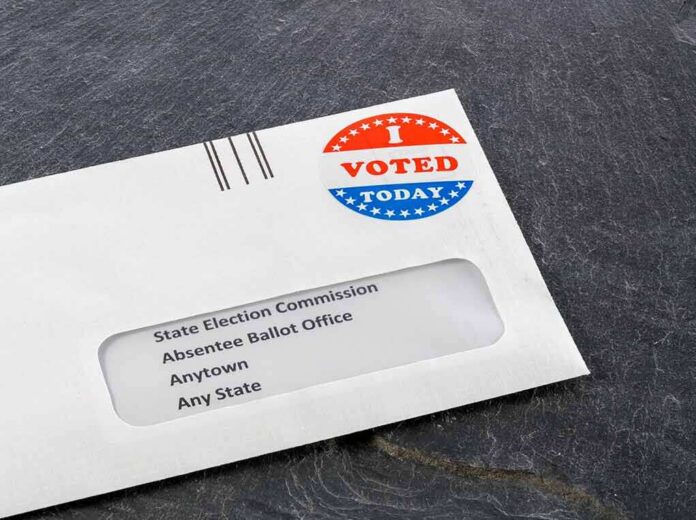
The Holy See Press Office confirmed Pope Leo XIV, born Robert Prevost in Chicago, submitted a mail-in ballot before the November 3 midterm elections. Vatican News, the Associated Press, and CBS News all reported the same account: Leo voted as a United States citizen, making him the first pope known to cast a ballot in an American election. The Vatican did not release details about the content of his ballot. Reporters have not learned which candidates or measures he supported, and the Holy See has not said whether it plans to share that information later.
Vatican Calls Voting A Long-Standing Habit
Vatican officials framed the vote as nothing new for Leo personally. The Holy See said he has exercised his right to vote as a U.S. citizen whenever he could, including during the many years he lived and worked in Peru. Officials described citizens’ participation in elections as both a right and a duty, language that casts the ballot as routine civic behavior rather than a political statement from the head of the Catholic Church.
Leo spent nearly two decades doing missionary and church work in Peru before rising through Vatican leadership. He later became a citizen there too, but the Vatican’s statement focused on his American roots and his history of registering to vote back home in Illinois, where records show he is registered in New Lenox, a suburb outside Chicago.
Online Reaction Splits Over Church Law Questions
News of the vote spread fast online, with some commentators treating it as a feel-good first and others raising pointed questions. One widely shared post argued that specific provisions of Catholic Church law limit clergy from holding public office or taking active roles in politics, and asked whether voting crosses that line. No Vatican statement, canon-law ruling, or Holy See policy document made public so far says Leo’s vote violates any such rule.
Pope Leo XIV Becomes First Sitting Pope to Vote in a U.S. General Election
Pope Leo XIV has made history by casting a mail-in ballot in the 2026 U.S. midterm elections, becoming the first sitting pope known to vote in an American general election.
The Chicago-born pontiff,… pic.twitter.com/17HVfy3paL
— TechAmerica (@techamericaofcl) October 30, 2026
Other social media users pointed out that the pope, as leader of the Holy See, holds a status similar to a head of state, comparing the situation to a foreign leader voting in American elections. Academic research on the Holy See’s legal status notes that the pope’s personal citizenship and the Holy See’s sovereign standing are treated as separate legal matters, which weakens any claim that one personal ballot changes the Vatican’s international standing.
No Rule Found Barring The Vote
Nothing in the available Vatican statements, news coverage, or legal commentary identifies a specific canon law provision, concordat, or Holy See policy that bans a pope from voting in a civil election. The Holy See’s own language called the act consistent with democratic participation, not a breach of tradition. Still, the event is unprecedented enough that no direct historical comparison exists, since researchers have not found a confirmed record of any earlier pope voting in a national election.
A Rare Link Between The Papacy And American Politics
For many Americans frustrated with distant, disconnected leadership, the image of a pope mailing in a ballot from his old Chicago neighborhood lands differently depending on political viewpoint. Supporters see an ordinary citizen exercising a hard-won right. Critics see a blurring of lines between a global religious office and domestic politics, especially with the vote’s content kept private. Both reactions reflect a broader public hunger for transparency from powerful institutions, religious or political.
What Happens Next
The Vatican has given no sign that it will change its position or release more detail about Leo’s ballot. Election officials in Illinois have not commented beyond confirming standard mail-in voting procedures apply equally to all registered voters, regardless of occupation. Whether future popes follow Leo’s example, or whether church leaders eventually issue formal guidance on papal voting, remains an open question without a clear answer in current Vatican statements.
Sources:
lifesitenews.com, abc11.com, rte.ie, chicagotribune.com, washingtonpost.com