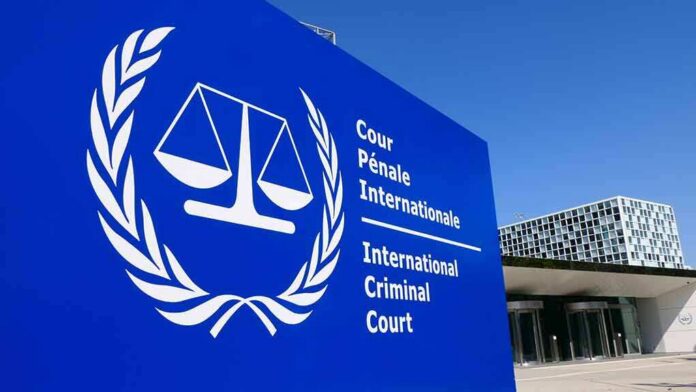
Marco Rubio’s State Department moved to choke the International Criminal Court’s reach with new U.S. sanctions, escalating a long-running sovereignty fight that now hits judges and investigators directly.
Story Snapshot
- The White House authorized sweeping sanctions tools aimed at International Criminal Court officials.
- Secretary of State Marco Rubio announced designations targeting specific court judges over actions involving the United States and Israel.
- The International Criminal Court asserts jurisdiction over conduct on Afghan territory since 2003, including by non-member nationals.
- Rights groups and court leaders say the sanctions threaten independent justice and global rule of law.
What Washington Did And Why It Matters
The White House issued authority to block assets and restrict entry for International Criminal Court staff who target U.S. or Israeli nationals, framing the court’s actions as overreach into American sovereignty. The State Department then used that authority to sanction named judges tied to cases affecting the United States and Israel. The move builds on a policy that rejects the court’s power over non-member states and seeks to deter probes that could ensnare U.S. officials and troops.
The sanctions tool can freeze property under U.S. jurisdiction and bar U.S. persons from many dealings with designees, raising real costs for targeted officials. Supporters of the move argue it protects service members and policy makers from foreign legal bodies they never agreed to join. Critics counter that it looks like politicians shielding their own, while punishing judicial work backed by many allied democracies. The clash now shifts from legal debate to financial pain and travel limits.
Why The International Criminal Court Says It Has Jurisdiction
The International Criminal Court’s claim centers on place, not passport. Afghanistan joined the Rome Statute in 2003, so alleged crimes on Afghan soil since that date fall under the court’s reach, no matter the suspect’s nationality. The court’s chambers and appeals rulings have affirmed the prosecutor’s authority to investigate conduct in Afghanistan and linked theaters tied to the conflict. That judicial record explains why court officials reject U.S. claims that membership status alone blocks jurisdiction.
The prosecutor has also argued that U.S. proceedings did not fully test the role of senior officials who designed or oversaw alleged abuses, so the complementarity rule did not bar the inquiry. That stance disputes Washington’s position that its own investigations close the door to outside review. This legal gap—territorial reach versus national control—sits at the heart of the sanctions fight. It is a rules question with real stakes for soldiers, spies, and victims of war crimes alike.
How Allies, Advocates, And Skeptics Are Responding
International critics warn that sanctions aim to cripple an independent court supported by more than half of United Nations member states. Advocacy groups say the policy stretches beyond top officials to anyone who helps court cases that involve protected U.S. or Israeli persons, by threatening visas and finances. These groups frame the campaign as an attack on the rule of law that chills investigations and scares off witnesses, experts, and donors who fear being blacklisted or fined.
Backers of sanctions reply that democratic accountability runs through elected governments, not foreign judges. They argue the court risks politicization and selective cases that target U.S. allies while ignoring hardened regimes. They also point to weak arrest power and spotty results at the court. Yet, many citizens across left and right see a deeper pattern: powerful actors—at home and abroad—use rules when they help and sidestep them when they hurt. That fuels the belief that elites game the system either way.
What This Means For Ordinary Americans
These sanctions are not abstract. They affect how the United States treats its troops and officials who serve in hard wars and gray zones. They shape whether foreign judges can freeze assets, gather evidence, or pressure partners to arrest Americans on travel. They also test if the United States can shield its people while still backing justice for victims overseas. The line between protection and impunity is thin, and governments draw it in different places during crisis and conflict.
"ALL OF US MUST MAKE A CHOICE NOW BETWEEN A WORLD WHERE MIGHT IS RIGHT, OR A FUTURE BASED ON THE RULE OF LAW."
ICC President Tomoko Akane, responding to the United States sanctioning the court as an institution.
"The Court firmly rejects these sanctions. Seeking to obstruct a…
— The Compass Report 🧭 (@Compass_Report) October 9, 2026
For readers fed up with double standards and power plays, this story is a warning sign. If the court is overreaching, then elected leaders must fix the global rules, not just punish those who apply them. If Washington is dodging hard questions, then citizens should demand real accountability at home. Either way, the stakes are high: the rules that bind the weak must also bind the strong, or trust in the system will keep breaking.
Sources:
cbsnews.com, state.gov, whitehouse.gov, icc-cpi.int, reuters.com, dw.com, iccforum.com