A boardwalk scuffle that led to assault charges now doubles as an immigration case, putting crime and status on a collision course.
Story Snapshot
- New Jersey police charged Canadian national Kaitlyn Tracey after a July 4 boardwalk altercation.
- Officials say surveillance video supported charges, though the full clip remains unreleased.
- Department of Homeland Security records indicate a 2024 entry and an overstay into 2025, triggering immigration custody.
- Tracey’s husband disputes the account, while a court date and removal proceedings move ahead.
What Police And Courts Say Happened
Point Pleasant Beach police said a confrontation on July 4 ended with a teen allegedly slapped twice, once to the body and once to the face. Officers stated surveillance footage supported a warrant. Records show Kaitlyn Tracey surrendered on July 10 and now faces simple assault, child endangerment, harassment, and obstruction charges. A court appearance was set for August 4 in Ocean County, according to reports describing the docket and defense counsel details. The full surveillance video has not been publicly released.
News reports state the victim’s exact age was redacted in court papers, which limits public clarity on the child endangerment threshold. Police and filings cited the teen’s account, and no named third-party witnesses have been publicly identified. That gap keeps some facts under wraps. Still, the charges are active, and they will test the evidence that police say exists but have not shared in full with the public record yet.
How An Arrest Became An Immigration Case
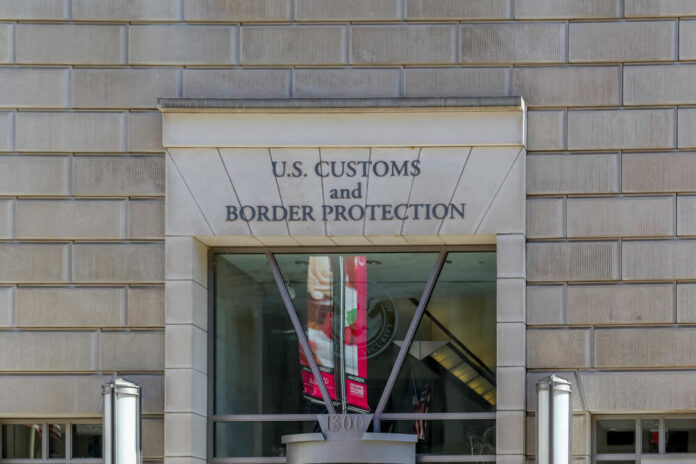
Federal officials said Tracey entered the United States in 2024 and remained after her visa expired in September 2024, making her removable under immigration law. After local arrest and booking, authorities transferred her to the Delaney Hall facility in Newark for immigration detention. That move shows how a lower-level criminal case can quickly connect to status checks and custody for noncitizens, especially when a visa overstay is documented by federal records.
Media coverage highlighted both the alleged slap and the immigration angle, which can shape how people see the case. Reports noted that some local agencies share more with immigration officials than others, adding to claims of uneven enforcement. That tension fuels public anger on both sides: some focus on upholding the law, and others worry that status becomes the main story rather than the facts of the alleged assault itself.
Disputed Accounts And The Evidence Gap
Tracey’s husband, Matthew Geronimo, claims she was provoked and tried to get away, clashing with police reports that she initiated contact and left the scene after the altercation. His account remains a defense claim until the court weighs it. The unreleased video remains the key. If the full footage is released, it could confirm the two open-hand strikes described by police or support parts of the defense story about provocation and flight.
U.S. officials revealed that Kaitlyn Tracey, who was arrested and later detained by ICE after allegedly striking a teen girl for wearing pro-Trump apparel, overstayed her visa for nearly two years.https://t.co/ktvIbdnhyV
— Juno News (@junonewscom) July 16, 2026
Without third-party witnesses named in public records, the coming hearings matter more. The court can vet video, statements, and any medical findings. The judge can also clarify the child endangerment count if the teen’s exact age meets the statute. Until then, the most solid public facts remain the filed charges, the surrender date, the scheduled court appearance, and the immigration custody tied to the reported visa overstay.
Why This Case Taps A Deeper Frustration
Americans across the spectrum see a familiar pattern here. A local scuffle became a national fight over identity, law, and trust in institutions. Many conservatives see a simple standard: follow the law, face the result. Many liberals fear politics eclipses evidence and due process. Both sides worry that leaders and agencies chase headlines and talking points instead of fairness and order. This case sits in that gap, where public safety, free expression, and immigration rules collide.
What To Watch Next
Watch for the court to handle any motion to release the full boardwalk video. Look for confirmation of the teen’s age in sealed or in-court records to support or weaken the endangerment charge. Track whether immigration authorities move removal faster than the criminal case can finish, which can short-circuit public fact-finding. Finally, see if any independent witnesses step forward. Those steps will either firm up the state’s claims or add weight to the defense’s challenge.
Sources:
pjmedia.com, hindustantimes.com