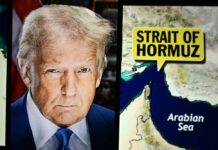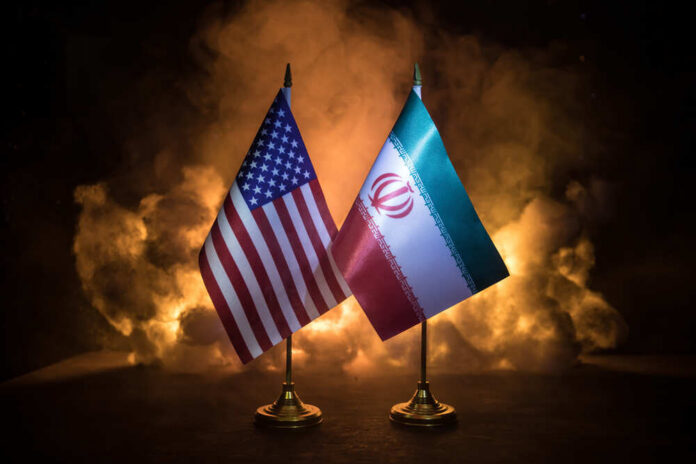
President Trump’s iron-fisted ultimatum forced Iran to reopen the Strait of Hormuz just one hour before his deadline, delivering a strategic victory for America while both sides absurdly claim triumph.
Story Highlights
- US and Iran agree to two-week ceasefire on April 7, 2026, averting escalated strikes on Iranian infrastructure.
- Iran reopens critical Strait of Hormuz, easing global oil price spikes after month-long closure.
- Trump hails “total victory”; Iran calls it “crushing defeat” for the US, exposing diplomatic spin.
- Pakistan mediates talks set for April 10; VP Vance warns Iran against violations.
Trump’s Ultimatum Secures Strait Reopening
President Donald Trump issued a stark ultimatum via Truth Social on April 7, 2026, demanding Iran immediately reopen the Strait of Hormuz or face obliterating military action. One hour before the 8:00 PM Washington deadline, Iran agreed to ensure safe passage for ships. The US and allies halted attacks, marking a high-stakes win rooted in American strength. This move underscores limited government projecting power abroad to protect economic interests, frustrating elites who prefer endless negotiations over decisive action.
Month of Conflict Precedes Fragile Truce
Iran closed the Strait—carrying 20% of global oil—on February 28, 2026, retaliating against US and Israeli strikes on its railways, bridges, power plants, and Revolutionary Guard targets. Iran fired on Gulf states hosting US troops and backed Hezbollah rockets from Lebanon. US forces degraded key Iranian capabilities, achieving military objectives without regime change. Pakistan’s mediation, leveraging Trump’s ties, facilitated the 11th-hour deal, highlighting how personal diplomacy bypasses deep state bureaucracy.
Victory Claims Mask Shared Frustrations
The White House called the truce a “total and complete victory,” with VP JD Vance stating in Budapest that Iran fights better as negotiators than warriors and warning against lies or cheats. Iran’s Supreme National Security Council labeled it an “undeniable, historic crushing defeat” for the enemy, keeping forces on alert. Foreign Minister Abbas Araghchi confirmed safe passage. Both sides exchanged plans—Iran’s 10-point demands for sanctions relief, US 15-point proposals—revealing elite posturing over real solutions for Americans facing energy costs.
Conservatives cheer Trump’s America First resolve restoring oil flow and stability, countering past globalist weaknesses that spiked prices. Liberals decry fossil fuel reliance, yet both recognize federal overreach fails citizens, prioritizing elite games over the American Dream of hard work yielding prosperity. This truce preserves Iran’s regime amid unverified nuclear claims, disputed by UN watchdogs, fueling distrust in distant bureaucrats.
Economic Relief and Lingering Risks
The Strait’s reopening stabilizes roiling oil markets, providing short-term relief to global consumers battered by price surges. Long-term, April 10 talks in Pakistan address broader issues like nuclear curbs and sanctions, excluding the Israel-Lebanon front where over 1,500 died. Iran civilians suffer infrastructure damage, including an inadvertent Israeli strike on a Tehran synagogue. Gulf states escape further targeting. Trump’s approach elevates US leverage, but truce fragility demands vigilance against Iranian proxies, echoing Soleimani-era tensions.
Sources:
US, Iran agree to 11th-hour truce after Trump ‘apocalyptic’ threats