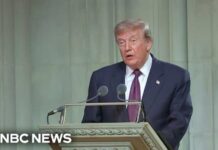
When the nation’s most famous pandemic doctor tells the U.S. Senate he will not answer questions about COVID-19 under his Fifth Amendment rights, it deepens a growing fear that Washington protects itself more than it protects the public.
Story Snapshot
- Dr. Anthony Fauci invoked his Fifth Amendment right and refused to answer questions at a subpoena-backed Senate hearing on COVID-19 and its origins.
- The hearing, led by Senator Rand Paul, focused on federal funding for risky research and whether officials misled the public about the pandemic.
- Fauci said he acted on advice from his lawyers and feared Republicans would use his words to try to prosecute him for perjury.
- Legal experts and major outlets note that using the Fifth Amendment is a constitutional protection, not automatic proof of guilt, but the move fuels public distrust.
What Fauci Did at the Senate Hearing
On Wednesday, Dr. Anthony Fauci sat before the Senate Committee on Homeland Security and Governmental Affairs under subpoena and said he would not answer questions about his COVID-19 response. In his opening statement, he read from prepared remarks and declared, “under the advice of my attorneys I will invoke my right under the Fifth Amendment of the Constitution to refrain from answering your questions.” He then repeated a short version of that line as senators pressed him, declining to respond on origins, lockdowns, and funding decisions.
News outlets and live video feeds counted Fauci invoking this right dozens of times, with later updates saying it likely happened more than one hundred times during the roughly three-hour hearing. Each time a senator asked about specific grant money, lab work in Wuhan, or his public statements early in the pandemic, Fauci answered with the same constitutional phrase instead of facts. Capitol Police officers escorted him out once the hearing ended, underscoring how tense and high-profile the event had become.
Why Fauci Says He Took the Fifth
Fauci told senators that using the Fifth Amendment “pains” him because he has testified or briefed Congress more than 200 times over four decades and values “legitimate congressional oversight.” He said he believed this hearing was different. He pointed to what he called Senator Rand Paul’s “unhinged” or “obvious obsession” with seeing him prosecuted and even “behind bars,” arguing Paul wanted him to say “something, anything” that could feed that goal. Based on that, Fauci said his lawyers urged him not to answer any substantive questions.
Committee Republicans framed the day very differently. Senator Paul and his allies said they wanted answers on whether United States taxpayer money helped risky “gain-of-function” research in China and whether Fauci misled Congress and the public about the pandemic’s origins. Paul argued Fauci’s Fifth Amendment claim was “unsupported,” pointing to what he said was a blanket pardon given to Fauci by President Biden and claiming that pardon removed any real criminal risk. Other Republicans, such as Senator Josh Hawley, accused Fauci of “getting rich” during the pandemic and used the Fifth invocation as a symbol of a broader lack of transparency.
What the Fifth Amendment Really Means — and What We Still Do Not Know
The Fifth Amendment protects people from being forced to say anything that could help build a criminal case against them. Legal experts interviewed by major outlets stressed that invoking this right in Congress does not prove someone is guilty; it is a shield against possible self-incrimination, especially in hostile settings. In fact, a prior House hearing record contains clear statements from Democrats that “Dr. Fauci did not fund research through the EcoHealth Alliance grant that caused the COVID-19 pandemic” and that he did not lie about gain-of-function work in Wuhan.
Dr. Anthony Fauci invoked his Fifth Amendment right against self-incrimination during a hearing, declining to answer questions on the advice of his attorney. pic.twitter.com/Wq7qEkdHkl
— Charlie Ward (@DrCharliewardoQ) July 29, 2026
At the same time, Wednesday’s record leaves major gaps. The hearing did not produce new documents that either prove or disprove the most serious accusations about Wuhan research and federal grants. There is no public sign yet of a formal criminal charge or court ruling tied to Fauci’s actions. Senators argued about whether his Fifth Amendment claim was valid, and some floated contempt of Congress, but there is no clear legal decision on that privilege claim so far. As a result, Americans are left with a dramatic clip loop: tough questions, a famous official refusing to answer, and no settled verdict.
Why This Matters Beyond Fauci
This clash fits a pattern many Americans now recognize and resent. A powerful figure is hauled before Congress, partisan lines harden, lawyers take over, and the public watches a fight instead of getting clear answers. For conservatives who already suspect a “deep state” protecting its own, a top pandemic official repeatedly saying “I respectfully decline to answer” sounds like proof of a cover-up. For liberals who worry about attacks on science and rule of law, a Republican-led committee bearing down on one man can look like a political show trial instead of honest oversight.
Yet people on both sides share one core frustration: the federal government still has not fully answered how COVID-19 began, what risks were taken with taxpayer money, and who, if anyone, will be held accountable when mistakes are made. A hearing where the key witness refuses to speak under oath only deepens that sense that the system protects insiders and leaves ordinary citizens in the dark. Whether Fauci’s silence was wise legal strategy or not, it has become another symbol in a larger story — a Washington that talks about transparency while keeping much of the truth locked behind closed doors.
Sources:
facebook.com, ktvz.com, theguardian.com, wamc.org, abcnews.com, congress.gov, pbs.org, wsj.com