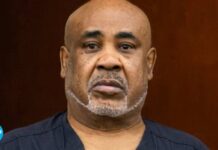
A convicted killer now says he is innocent and is trying to undo the guilty plea that spared him the death penalty, raising fresh questions about how much Americans can trust big criminal cases once the system says they are “finished.”
Story Snapshot
- Bryan Kohberger, convicted of killing four University of Idaho students, now says his guilty plea was not voluntary and that he is innocent.
- He has filed a handwritten petition for post-conviction relief in Idaho, asking to withdraw the plea and get a full trial.
- Idaho law only allows taking back a plea after sentencing to fix a “manifest injustice,” a very high legal bar.
- Kohberger previously told the judge under oath that he was guilty, understood the deal, and was waiving his right to appeal.
Kohberger’s new claim of innocence and “broken plea”
Bryan Kohberger was sentenced to four life terms for stabbing four University of Idaho students in 2022 after he pleaded guilty in 2025 to avoid the death penalty. From prison, he has now told The New York Times that “my actual innocence is my truth” and says the plea “must be withdrawn,” calling it a “broken plea” built on “false promises and blatant disinformation.” He says he has filed papers himself to reopen the case and is asking for a full jury trial.
In his statement, Kohberger claims he was misled about key facts and the law, but he has not yet publicly described specific new evidence that clears him. He points to problems with the probable cause affidavit and how evidence was handled, saying these issues were never fully tested because the case ended in a plea. His filing, prepared without a lawyer, reached the Idaho court on Monday, and he says he now plans to seek a court-appointed attorney to help him press the claim.
What the original plea did — and why undoing it is so hard
At his change-of-plea hearing in 2025, Kohberger stood in open court and told the judge he was “guilty” on all five counts, including four murder charges and one burglary count. The plea deal took the death penalty off the table and guaranteed four consecutive life sentences plus a maximum ten-year term for burglary. As part of that agreement, he also waived his right to appeal, which means he agreed not to challenge the conviction in the normal way after sentencing.
Courts treat these sworn plea hearings as a major safeguard because the judge asks if the defendant understands the deal and is acting freely. In Kohberger’s case, the judge stated on the record that the plea was “freely [and] voluntarily” given and “intelligently made” before formally accepting it. That earlier finding now stands directly against Kohberger’s new claim that he was coerced or misled, and any change will require strong proof that something was fundamentally wrong with that process.
Idaho’s “manifest injustice” rule and the uphill legal fight
Under Idaho Rule of Criminal Procedure 33(c), taking back a guilty plea after sentencing is only allowed to correct a “manifest injustice,” which means a clear, serious wrong in how the conviction was obtained. Legal analysts say courts usually look for specific problems, such as a plea that was not truly voluntary, a defense lawyer who was constitutionally ineffective, or misconduct by prosecutors that changed the outcome. Broad claims of regret or a simple change of heart almost never meet this strict standard once a sentence is in place.
Because Kohberger has already been sentenced and waived his appeal rights, his only path now is this narrow post-conviction route. He would need concrete evidence that his earlier plea was corrupted — for example, proof of false off-the-record promises, bad legal advice, or hidden facts that should have been disclosed. So far, public reporting reflects only his general statements about “false promises” and “blatant disinformation,” not detailed examples backed by documents or new forensic tests. That thin record makes his chances hard to measure right now.
The witness list twist and families’ anger over more uncertainty
New filings show that prosecutors added Kohberger’s sister, Amanda, to their witness list just days before he took the plea deal. That timing has fueled questions about whether naming a close family member as a potential witness increased pressure on him to accept the agreement rather than risk a full trial. Kohberger and any future lawyers could try to argue that this move was part of the “false assurances” that pushed him toward a guilty plea, though no formal misconduct claim has been filed yet.
🚨 Bryan Kohberger is trying to take back his guilty plea. The man who admitted to murdering four University of Idaho students is now asking a judge to withdraw his guilty plea and grant him a new trial. Kohberger claims he accepted the plea deal because of false promises,… pic.twitter.com/WbcfsS7Y3U
— Brandon Tatum (@TheOfficerTatum) July 27, 2026
Families of the four slain students were already deeply upset by the plea deal, which ended the chance for a public trial and full airing of evidence. Some relatives said they felt shut out of the process and wanted the case to go to a jury, even if that meant facing the death penalty question in court. Kohberger’s new effort to reopen the case now cuts both ways for them: it could bring the answers they once hoped for, but it also risks years more delay, appeals, and emotional strain in a system many Americans across the political spectrum already see as slow, opaque, and more focused on protecting itself than delivering clear truth.
Sources:
nytimes.com, newsweek.com, independent.co.uk, tmj4.com, bbc.com, youtube.com, reddit.com, cnn.com