President Trump’s new defense pact with Qatar follows Israel’s September bombing of Hamas targets in Doha, reshaping Gulf security and boosting American industry.
At a Glance
- Trump finalizes sweeping defense and trade agreements with Qatar
- Israel’s September 2025 bombing of Doha triggers U.S. response
- Qatar secures $200 billion Boeing aircraft deal and new weapons
- Al Udeid Air Base gains enhanced intelligence-sharing protocols
Trump’s Strategic Response
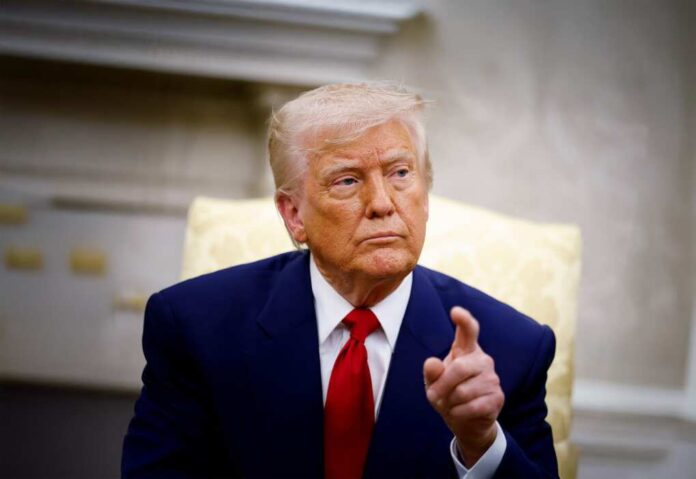
President Trump ordered Secretary of State Marco Rubio to finalize an expansive defense partnership with Qatar following the September 2025 Israeli airstrikes on Hamas positions in Doha. The strikes marked the first time Israeli jets directly targeted sites in Qatar, prompting urgent U.S. intervention to protect strategic American assets and stabilize the Gulf.
By moving quickly, Trump signaled a firm stance against military escalations that risk undermining American bases and regional partnerships. His administration’s response sought to deter further Israeli operations on Qatari soil while avoiding a rupture in U.S.-Israel relations.
Watch now: Trump’s Gulf Shock Move Explained
Qatari PM’s dash to see Donald Trump shows gravity of Israel’s bombing of Doha https://t.co/LfMYL3twEg
— Linda Medellin 3 (@LindaMe50265726) September 12, 2025
Defense Partnership Transforms Security Landscape
The new U.S.-Qatar defense agreements expand joint military training, arms transfers, and real-time intelligence integration at Al Udeid Air Base. Doha will receive MQ-9B drones and advanced counter-UAV systems, bolstering its ability to defend critical infrastructure.
These measures directly support American forces stationed in Qatar by hardening defenses against aerial threats while reinforcing deterrence against further strikes. Analysts view the agreements as both a safeguard for U.S. operational hubs and a strategic check on unchecked regional aggression.
Economic Victory and Job Creation
Parallel to the defense deals, Qatar Airways finalized a $200 billion order for 160 Boeing aircraft. The transaction is set to inject significant revenue into the U.S. aerospace sector, generating thousands of domestic jobs and boosting supply chains.
The package demonstrates Trump’s long-emphasized linkage between foreign policy and economic growth. By pairing military cooperation with a commercial contract of historic scale, his administration showcased how diplomacy can deliver both national security dividends and direct benefits for American workers.
Strategic Balance in a Volatile Region
While the agreements strengthen Qatar’s security, the administration also reiterated Israel’s right to self-defense against genuine threats. Trump’s approach aims to balance Israeli security concerns with the imperative of preventing destabilizing actions that compromise U.S. bases and alliances.
The agreements mark a precedent for U.S. leadership in Gulf security, establishing deterrence mechanisms that protect American assets while reinforcing economic and defense ties with regional partners. Observers note that this move underscores an America-first philosophy that merges hard security priorities with industrial competitiveness.
Sources