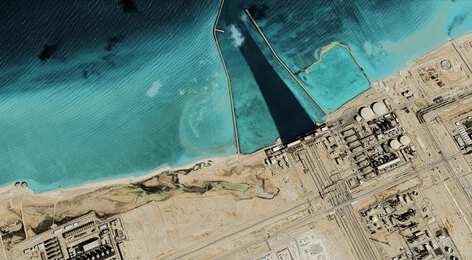
Iranian strikes on a Kuwaiti water plant have exposed how fragile life becomes when a desert nation’s basic supplies are hit.
Quick Take
- Kuwait said Iran struck a power and water desalination plant, causing major damage and a fire.
- Officials said the attack hit a vital source of drinking water and knocked out two generation units.
- Kuwait also said an Indian worker was killed in an earlier strike on the site.
- Iran denied responsibility and blamed Israel, but it gave no forensic proof.
Kuwait Says Its Water System Was Hit
Kuwait’s Ministry of Electricity, Water and Renewable Energy said Iran attacked a power and water desalination plant and caused widespread damage. The ministry said the strike sparked a fire and damaged several electricity generation units. Kuwait later said emergency teams moved in to control the blaze and assess the station. Those reports matter because Kuwait depends on desalination for much of its drinking water.
Al Jazeera and other outlets said the plant was part of a wider wave of attacks across Gulf infrastructure during the Iran conflict. Kuwait’s electricity and water ministry also described the site as a vital water source, not just another industrial target. That detail explains why the strike drew such fast alarm. In a place where fresh water is scarce, damage to one plant can ripple quickly through homes, hospitals, and businesses.
Damage, Casualties, and Emergency Response
Reports said the attack caused significant material damage and shut down at least two electricity-generating units. Kuwait said firefighters contained the blaze and technical crews began repairs right away. One earlier strike on the same infrastructure killed an Indian worker, according to Kuwaiti officials. The death turned the story from a facilities issue into a human one, and it showed how quickly water infrastructure attacks can cross into civilian harm.
Some reports said the broader Gulf fighting had already damaged several desalination plants in the region. That pattern raises the stakes for Kuwait, which cannot easily replace lost water capacity in the middle of a crisis. It also helps explain why officials stressed that the country’s wider electricity and water network remained stable, even after the hit. Stability now does not mean the system is safe if similar strikes continue.
Iran Denies the Strike and Blames Israel
Iran’s Islamic Revolutionary Guard Corps denied responsibility and said Israel was behind the attack. Iran’s military command made the same claim through state media, but the reports cited no debris tests, flight data, or intercepted orders. Israel’s military told reporters it was unaware of the attack, which undercuts Iran’s counter-claim. For now, the two sides are trading accusations, while the public still lacks an independent forensic finding.
Why One Strike on a Desalination Plant Could Trigger a Crisis
Iranian strikes have hit a major combined power and desalination plant in Kuwait — in a region where nearly all drinking water comes from the sea. With only days of water held in reserve and summer temperatures near… pic.twitter.com/p9pdfPmFMd
— MacroEconomy19 (@ByronSamue13682) July 17, 2026
That gap is the real problem. Kuwait has official statements, damage reports, and a casualty claim, while Iran has denial and an alternate blame story. Neither side has produced public evidence that settles the question. In wars like this, water plants become more than infrastructure. They become pressure points where military force, propaganda, and civilian survival collide, and ordinary people pay the price first.
Sources:
redstate.com, aljazeera.com, english.aawsat.com, wsj.com, houseofsaud.com, straitstimes.com, timesofisrael.com, caspianpost.com, abcnews.com, youtube.com, arabcenterdc.org