President Trump delivers a bold 48-hour ultimatum to Iran, threatening to obliterate their power plants if they don’t reopen the Strait of Hormuz—standing firm against threats to American energy security and global stability.
Story Snapshot
- Trump demands Iran fully reopen the Strait of Hormuz within 48 hours or face strikes on power plants, starting with the largest.
- Iran’s military counters with threats to target US and Israeli energy infrastructure in retaliation.
- Escalation follows US-Israeli strikes on Iranian nuclear and missile sites since February 28, 2026.
- Disruption spikes global oil prices, prompting US release of 140 million barrels to ease pressure on Americans.
- Over 20 nations back efforts to restore shipping lanes vital for 20% of world oil.
Trump’s Direct Ultimatum via Truth Social
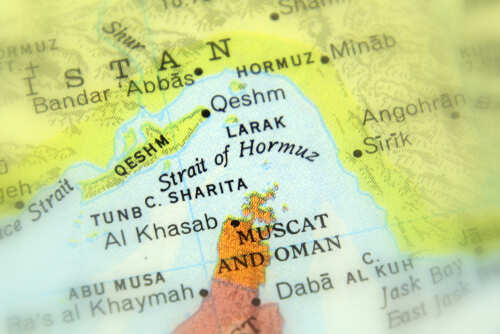
President Donald Trump posted on Truth Social on March 21, 2026, issuing a 48-hour deadline to Iran. Tehran must reopen the Strait of Hormuz fully, without threats to shipping. Failure means US military strikes on Iranian power plants, targeting the biggest facilities first. This follows Iran’s effective blockade of the strait, a chokepoint for 20% of global oil and gas. Trump’s action protects US interests from Iranian aggression that drives up fuel costs for American families.
US-Israeli Campaign Triggers Iranian Retaliation
US and Israel launched joint strikes on February 28, 2026, dismantling Iran’s ballistic missile and nuclear facilities. These operations killed over 1,300, including former Supreme Leader Ali Khamenei. Iran responded by disrupting the Strait in early March and firing missiles at Israel on March 18. Admiral Brad Cooper directed US warplanes to bomb underground anti-ship missile sites with 5,000-pound bombs. The campaign addresses Iran-backed attacks on US forces in Iraq and secures regional allies.
Iran’s Defiant Counter-Threats Escalate Tensions
Iran’s Khatam Al-Anbiya command warned on March 22 that any attack on their infrastructure prompts strikes on US and Israeli energy, IT, and desalination facilities. Foreign Minister Abbas Araghchi vowed “zero restraint.” Iran’s UN Ambassador claimed no intent to close the strait but defended security measures. US intelligence assesses Iran could block it for 1-6 months. Both sides reject ceasefires; Trump envoys negotiate in Cairo, but he insists on victory first.
Treasury Secretary Scott Bessent released 140 million barrels via oil waiver to counter price surges hurting US consumers and businesses before midterms. Over 20 nations support reopening the strait. Prolonged closure risks broader Middle East chaos, higher global fuel costs, and retaliation against US troops. Defense contractors see demand rise, but Iranian civilians face power outages from potential strikes. Trump prioritizes American energy independence over endless talks.
Economic and Strategic Stakes for America
Oil prices soared from the blockade, pressuring US markets. Trump’s ultimatum counters this by forcing compliance, echoing his first-term strength against globalist weakness. Limited data on expert views notes US confidence in strikes but highlights diplomatic gaps. Iran’s leverage via proxies threatens stability. Restoring the strait safeguards jobs, lowers pump prices, and deters terrorists—core conservative priorities over Biden-era appeasement.
Sources:
Trump Issues 48-Hour Ultimatum to Iran Over Strait of Hormuz, Threatens to ‘Obliterate’ Power Plants
Trump hands Iran 48-hour ultimatum to open Strait of Hormuz
If Iran doesn’t open Strait of Hormuz within 48 hrs: Trump issues ultimatum to Iran
Trump issues 48-hour ultimatum to Iran over Strait of Hormuz
Iran threatens to target US, Israeli infrastructure if attacked amid Trump’s power plant ultimatum