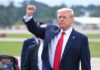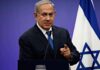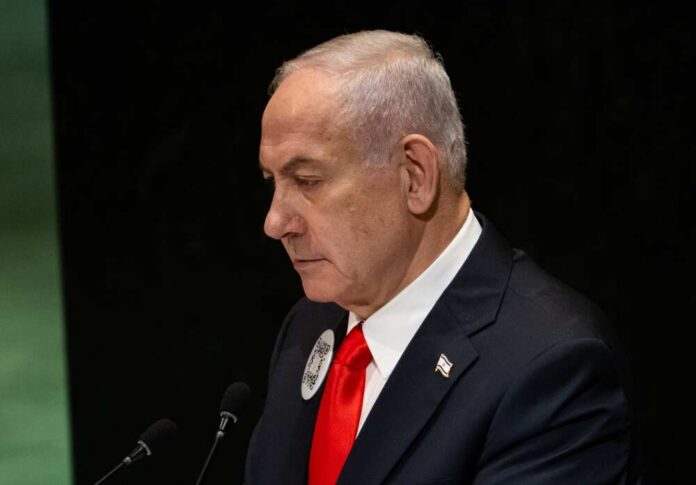
When a foreign leader says President Trump has promised that an Iran deal will not stop Israel from striking across its borders, it raises the same old question many Americans ask at home: who is really setting the red lines—the voters, or a small circle of elites playing power games overseas?
Story Snapshot
- Trump is pushing for a new deal with Iran while signaling that Israel can still act militarily to defend itself.
- Gulf Arab leaders quietly urged Trump to delay a renewed U.S. attack on Iran, reflecting deep fear of another regional war.
- Negotiations are described as “close” to a framework, yet key demands on sanctions, troops, and nuclear limits remain unresolved.
- Conflicting messages and secrecy feed public distrust that foreign policy is driven more by backroom deals than by clear American interests.
What Netanyahu’s Claim Suggests About the Emerging Iran Deal
Reports from regional and Western outlets describe United States–Iran talks aimed at ending the war and extending the ceasefire that followed the Twelve-Day War between Israel and Iran, which Washington helped broker in 2025.[4] Against this backdrop, Israeli Prime Minister Benjamin Netanyahu has reportedly told his public that President Donald Trump assured him any Iran framework would not restrict Israel’s right to defend its borders militarily. That message aligns with ongoing Israeli strikes on Iranian nuclear and military targets and a ceasefire that has seen repeated violations.[1][2][4]
President Trump has simultaneously promoted the possibility of a new agreement with Tehran and warned that a “full, large scale assault of Iran” remains ready if an acceptable deal is not reached.[4] That dual track—talk peace while brandishing the stick—mirrors long-standing United States practice in coercive diplomacy. For Americans watching from home, the picture looks familiar: leaders speak of peace and “frameworks,” yet keep the war machine idling, leaving citizens wondering whether the goal is stability or permanent leverage for Washington and its allies.
Gulf Leaders’ Quiet Role in Halting a New Strike
President Trump has publicly said he paused a planned new attack on Iran at the request of Gulf Arab leaders, including the rulers of Saudi Arabia, Qatar, and the United Arab Emirates.[1][4] According to his account, they urged him to “hold off” for “two or three days” because they believed serious negotiations with Iran were close, and he agreed to delay. Reporting from Arab News and other outlets backs up that there were active talks and that Trump was reviewing a draft agreement with advisers during this same period.[2]
These Gulf governments have their own reasons for pressing pause: they sit within missile range of Iran and rely heavily on continued oil exports and safe shipping lanes. Analysis of the talks notes that the proposed framework includes reopening the Strait of Hormuz for shipping and extending the ceasefire while Iran removes mines and the United States eases pressure in stages.[5] Ordinary Americans see another pattern they know well: powerful foreign partners lobbying Washington to shape United States military moves, even as citizens bearing the costs—troops, taxes, and higher energy prices—have almost no say.
Are Negotiations Really Close to a Breakthrough?
Trump and some regional officials describe the talks as being close to a framework agreement that could extend the ceasefire and open one of the world’s critical oil routes.[2][5] Iranian spokesmen have spoken of a fourteen-clause memorandum of understanding, saying intensive negotiations produced “encouraging progress” toward a final understanding.[2] Supporters of Trump’s Iran strategy argue that his pressure, combined with Israel’s military campaign, has forced Tehran to engage and might soon deliver stronger inspections and limits on its nuclear program.[3]
Other reporting is far more skeptical. A France 24 analysis summarized in the research says there is “no sign” that core positions have shifted, noting that Iran continues to demand sanctions relief, compensation for war damage, and United States troop withdrawals—terms Washington has repeatedly rejected.[5] Observers also point out that no draft text has been made public, no signed clauses have surfaced, and past Iran talks have often been described as “close” long before real deals materialized.[2][5] For citizens on both the right and the left, this gap between confident rhetoric and thin documentation feels a lot like how domestic issues are handled: big promises, little transparency, and no guarantee of follow-through.
What This Means for Americans Worried About War, Energy, and Accountability
The stakes of any Iran deal go far beyond Middle East geopolitics. The war and the earlier Israeli–Iranian conflict disrupted global energy markets and helped push up fuel prices; reopening the Strait of Hormuz and stabilizing the region could ease some pressure on Americans already struggling with inflation and high energy costs.[4][5] At the same time, a framework that leaves Israel free to strike across borders while United States forces remain “on a moment’s notice” to attack Iran risks locking the country into another open-ended security commitment with unclear congressional or public consent.[2][4]
President Trump's Saturday afternoon call with Gulf leaders has concluded, according to U.S. officials.
Counties invited to join the conference call with Mr. Trump to discuss Iran negotiations include Saudi Arabia, Turkey, Egypt, Pakistan, the United Arab Emirates, Jordan, and…
— Giovanni Staunovo🛢 (@staunovo) May 23, 2026
For conservatives, this reinforces fears that globalist entanglements and permanent wars drain resources that should rebuild the American middle class. For liberals, it highlights worries about military-first solutions and the growing gap between foreign policy elites and ordinary people. In both cases, the deeper concern is the same: critical choices about war and peace, energy, and long-term security are being shaped in late-night phone calls among presidents, prime ministers, and princes—with almost no sunlight, no real accountability, and very little evidence that the American people’s interests come first.[1][2][4]
Sources:
[1] YouTube – Trump says Gulf leaders convinced him to ‘hold off’ on new Iran attack
[2] Web – Iran and US say could be close to agreement, Trump to assess draft …
[3] Web – Iran must stop ‘sponsoring terror’ to get a deal, Trump tells Arab …
[4] Web – Trump calls off new Iran attack at request of Gulf states
[5] YouTube – Stalled US-Iran talks show “Trump’s strategy of pressure …