
Minneapolis Mayor Jacob Frey’s comments on immigration enforcement and protests have become part of a broader national dispute over federal authority, public safety, and the role of local government in immigration policy.
Quick Take
- Frey publicly demanded that Immigration and Customs Enforcement leave Minneapolis and the state, tying his message directly to the unrest [2].
- The City of Minneapolis said federal immigration enforcement was causing chaos and making the community less safe [2].
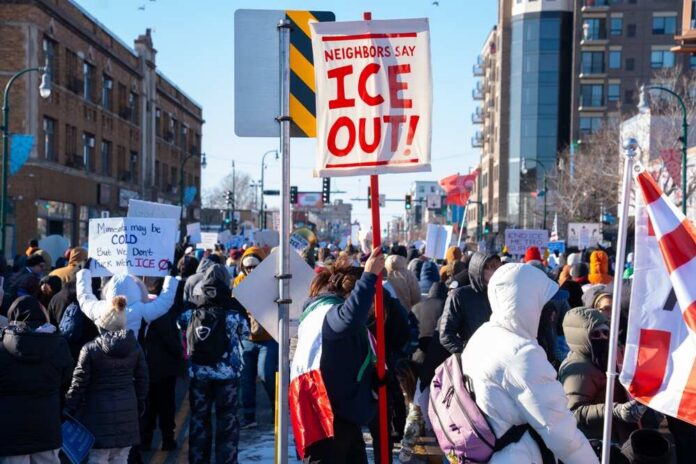
- Frey also described the protests as peaceful, which complicates claims that all demonstrators were acting unlawfully [3].
- The White House responded by calling the mayor’s rhetoric dangerous and saying it fueled chaos [4].
Frey’s message and the city’s posture
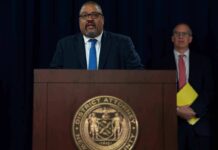
Jacob Frey’s comments did not sound like a neutral request for calm. The City of Minneapolis said on January 7 that it was demanding Immigration and Customs Enforcement leave the city and state immediately, and Frey said the agency’s presence was causing chaos and making the community less safe [2]. Fox News later reported that he again called for Immigration and Customs Enforcement to leave Minneapolis after the shooting incident [1].
That sequence matters because it shows how quickly a local public-safety dispute turned into a broader argument over federal authority. Frey’s allies have framed the protests as a defense of immigrant communities, while critics see a city official openly opposing immigration enforcement and then reacting to the consequences. In a country already split over border policy, that kind of language reinforces the sense that elected leaders are choosing sides instead of lowering tensions.
Peaceful protest versus obstruction
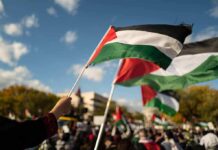
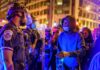
Frey also tried to draw a line between protest and violence. In the ABC News interview transcript, he said tens of thousands of people were protesting peacefully and repeated that the message had not changed [3]. The city’s own guidance likewise says protesters may peacefully demonstrate in public spaces, while barring conduct such as blocking streets, throwing objects, trespassing, or using weapons [2]. Those details weaken any blanket claim that every anti-ICE demonstration was an unlawful riot.
At the same time, the available record does not prove that protests were coordinated to stop specific federal operations. The strongest documents in the research package are Frey’s own remarks and the city’s public statement; neither one provides incident reports, arrest affidavits, or operational logs showing that Immigration and Customs Enforcement was actually blocked from carrying out a named action [2][3]. That gap leaves room for political rhetoric to outrun hard evidence.
Why the backlash spread beyond Minneapolis
The White House response framed Frey’s comments as part of a broader pattern of rhetoric that it argued could undermine public safety and law enforcement efforts.[4] That national framing turned a local policy and protest dispute into a broader political example in the national immigration debate.
What stands out in the available record is the gap between political messaging and operational detail. City officials emphasize public safety, protest rights, and community trust, while federal officials emphasize enforcement authority and order. For observers across the political spectrum, the episode reflects a familiar dynamic in immigration debates: competing interpretations of the same events, with limited publicly available operational data to fully resolve those claims.[2][3]
Sources:
[1] Web – Minneapolis Mayor Frey calls for peace after anti-ICE rhetoric
[2] Web – Mayor Frey calls for ICE to leave City – City of Minneapolis
[3] YouTube – Frey on MN ICE protests: ‘We’re not going to be intimidated’
[4] Web – Dangerous anti-ICE rhetoric from Mayor Frey & Gov Walz hasn’t …