The U.S. is signaling to Iran that a ceasefire pause won’t prevent a rapid return to combat—and the enforcement tool on the table is a naval blockade that could turn tense warnings into real-world interceptions.
Quick Take
- Chairman of the Joint Chiefs Gen. Dan Caine said U.S. forces in the Middle East can resume “major combat operations” on a moment’s notice if Iran won’t agree to a deal.
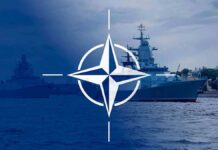
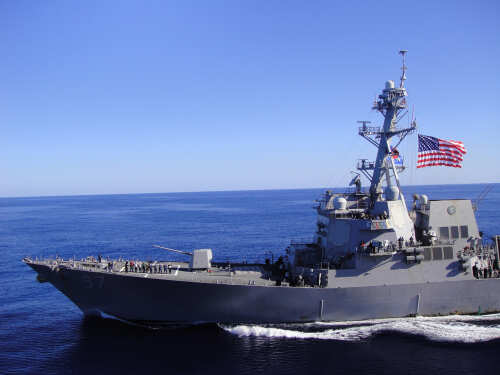
- U.S. Navy forces are positioned to enforce a blockade aimed at ships entering or leaving Iran, with stated authority to intercept vessels and escalate from warnings to force.
- President Trump said the U.S. extended a ceasefire with Iran at Pakistan’s request while stressing U.S. readiness during the pause.
- The military posture reflects what reporting describes as the largest U.S. buildup in the region since the 2003 Iraq invasion, raising both deterrence and escalation risks.
U.S. Military Message: “Ready” Means Ready Now
Gen. Dan Caine, the Chairman of the Joint Chiefs of Staff, told reporters in Washington that U.S. forces in the Middle East remain prepared to restart “major combat operations” immediately if Iran refuses to agree to a peace deal. The core point of the briefing was speed and capacity: the U.S. is not presenting a long mobilization timeline, but an already-positioned force. For Americans weary of endless conflict, the emphasis is deterrence through readiness—not hesitation.
The same reporting describes a naval blockade component that goes beyond rhetoric and into practical enforcement. U.S. Navy ships are described as authorized to intercept vessels tied to Iran, including in Iranian territorial waters, with an escalation ladder that begins with warnings and can move to force if a ship does not comply. That matters because blockades compress decision time. Miscalculation becomes easier when commanders must decide quickly in crowded sea lanes.
How the Blockade Strategy Pressures Iran Without a Formal “War” Vote
A blockade is a classic form of coercion: it aims to restrict trade and logistics until the target changes course. In this case, enforcement reportedly focuses on Iranian-flagged ships or vessels providing material support to Iran. Supporters argue this approach can achieve leverage without a sprawling ground war, while critics warn it risks turning shipping enforcement into open conflict. Either way, the tactic highlights a larger reality: U.S. national security is often executed through executive power and military posture more than through congressional debate.
That disconnect fuels bipartisan cynicism about “how Washington really works.” Conservatives often see unaccountable bureaucracy and endless overseas commitments; many on the left see militarism insulated from public consent. The available reporting does not detail new congressional authorizations tied to this blockade posture, and it does not include Iran’s response in depth. With limited public information on rules of engagement beyond “warnings then force,” citizens are left to trust that decisions are both lawful and disciplined.
Ceasefire Extension at Pakistan’s Request Signals Fragile Diplomacy
President Trump publicly said the U.S. would extend a ceasefire with Iran at Pakistan’s request, while emphasizing the U.S. would remain ready and able during the pause. That combination—diplomatic flexibility paired with a hardened posture—suggests the administration is trying to keep multiple doors open: avoid immediate escalation, reassure allies, and maintain maximum leverage on Tehran. Pakistan’s involvement also shows how third parties can shape timing, even when they are not the central combatants.
The ceasefire context matters because it frames the blockade not as a reaction in the heat of battle, but as a pressure tool during a nominal pause. The reporting available does not clarify the ceasefire’s precise start date, the exact terms Iran accepted, or how compliance is being measured. Those gaps make it harder for the public to judge proportionality. Still, the administration’s message is consistent: diplomacy continues, but it is backed by visible force posture.
What the “Largest Buildup Since 2003” Could Mean for Energy and Inflation
Separate coverage and video reporting describe the current U.S. force posture as the largest Middle East buildup since the 2003 Iraq invasion. If accurate, that scale increases deterrence but also raises the stakes for the global economy. Shipping disruptions, perceived risk in the Persian Gulf, and uncertainty around Iranian exports can ripple into energy prices, which then flow into transportation, groceries, and household budgets. For voters still angry about inflation, foreign policy risk is not abstract—it can hit the wallet fast.
For Americans who distrust the “deep state” and career decision-makers, this episode underscores a recurring problem: major national security moves can develop quickly, with limited clarity on end goals and limited visibility for ordinary citizens. The reporting supports that the U.S. is prepared to escalate if no deal is reached, but it does not provide the deal’s terms or a clear off-ramp beyond compliance. The best-case scenario is deterrence that prevents war; the worst case is a naval incident that spirals before voters can even process what changed.
Sources:
US says its forces ready to restart combat if Iran doesn’t agree to deal
Trump says the US will extend its ceasefire with Iran at Pakistan’s request