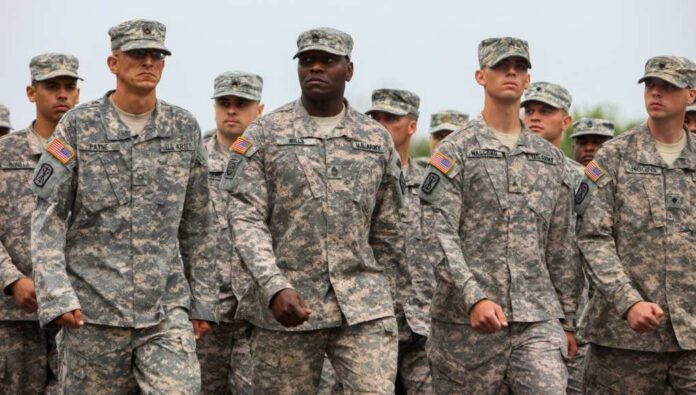
President Trump’s long-promised full withdrawal of U.S. troops from Syria is finally complete, delivering a decisive victory against endless foreign entanglements that drain American blood and treasure.
Story Highlights
- U.S. forces fully exited Syria on April 16, 2026, evacuating the final Qasrok base in Hasakah and handing it to the Syrian army, ending a decade-long presence.
- This fulfills Trump’s 2018 order, achieved peacefully under optimal conditions with a stable Syrian government, overriding hawkish opposition.
- No permanent U.S. bases remain; counter-ISIS efforts shift to off-site support, freeing resources for American priorities.
- Key bases al-Tanf and al-Shaddadi vacated in February 2026, following SDF submission to Damascus after failed negotiations.
- ISIS prisoners evacuated to Iraq, minimizing risks amid the orderly transition.
Historical Context of U.S. Involvement
U.S. intervention in Syria began on September 22, 2014, targeting ISIS during the civil war. Forces peaked at 2,000-2,500 troops by 2018, supporting Kurdish-led Syrian Democratic Forces (SDF). Trump’s December 19, 2018, order initiated partial withdrawals, consolidating to about 600 troops by late 2019. Further reductions continued through 2025, setting the stage for complete exit as SDF alliances shifted.
Timeline of the Final Withdrawal
In January 2026, Kurdish-Syrian government negotiations collapsed, prompting a Syrian army offensive that forced SDF submission. U.S. Central Command (CENTCOM) executed departures: al-Shaddadi base vacated days before February 12, 2026, when al-Tanf Garrison was fully cleared. Early 2026 saw ISIS suspects evacuated from Kurdish custody to Iraq. The process culminated on April 16, 2026, with Qasrok base handover, confirmed by CENTCOM and Syrian officials.
Stakeholders and Strategic Shifts
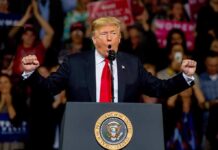
President Trump drove the policy as anti-interventionism, overriding establishment hawks favoring perpetual presence. CENTCOM managed orderly transitions, describing them as deliberate. The Syrian government regained sovereignty, receiving bases without violence. Former U.S. ally SDF capitulated to Damascus after losing leverage. This dissolved the U.S.-SDF partnership, pivoting to cooperation with a friendly Syrian regime focused on stability.
Trump’s second-term America First agenda ends “forever wars,” reducing overseas commitments. Conservatives celebrate fiscal savings and focus on domestic security, echoing frustrations with globalist overreach. Even skeptics on the left share concerns over elite-driven endless conflicts that prioritize foreign lands over American workers struggling with inflation and borders.
Impacts and Expert Views
Short-term, the exit secures ISIS detainees in Iraq with minimal violence, stabilizing eastern Syria under central control. Long-term, it frees U.S. resources, though risks ISIS resurgence exist; Syrian government stability aids counterterrorism. Economically, it cuts costs for taxpayers; politically, it validates Trump’s vision against defense contractor interests. Defense Priorities hails it as fruition after years of effort. Reason calls it an optimal exit under ideal circumstances.
Sources:
US Troops Finally Leave Syria – Defense Priorities
US Troops Finally Leave Syria – Spectator
The U.S. Military Has Finally Left Syria – Reason
United States intervention in Syria – Wikipedia
Syria-related article – Ground News