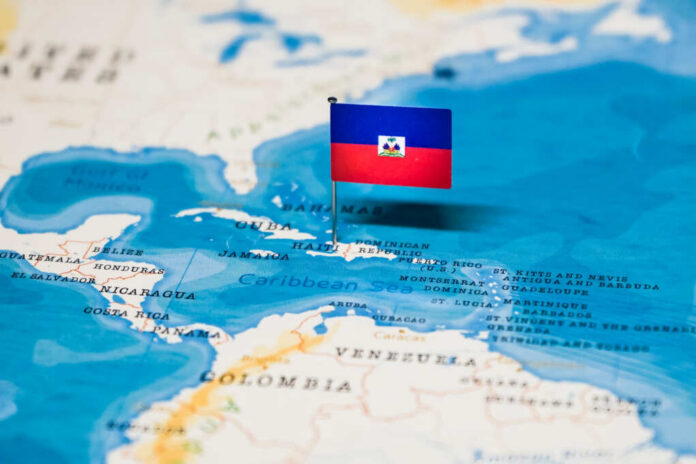
Four men convicted in Miami federal court for orchestrating the assassination of Haitian President Jovenel Moïse reveal a cross-border conspiracy that destabilized a sovereign nation while exposing how easily armed mercenaries can exploit U.S. resources to overthrow foreign leaders.
Story Snapshot
- Federal jury convicts four South Florida-based plotters for their roles in the July 2021 assassination of Haiti’s president
- Conspirators smuggled AR-15 rifles from U.S. to Haiti and recruited mercenaries posing as DEA agents to execute the attack
- Plot motivated by lucrative government contracts, exposing how greed and opportunism fueled political violence
- Haiti remains in chaos with gangs controlling 80% of Port-au-Prince and over five million civilians displaced since the assassination
Miami Jury Delivers Verdicts on Cross-Border Conspiracy
A federal jury in Miami convicted Arcangel Pretel Ortiz, Antonio Intriago, Walter Veintemilla, and James Solages on November 1, 2024, for their participation in the plot that resulted in President Jovenel Moïse’s assassination on July 7, 2021. The defendants faced charges including conspiracy to provide material support resulting in death, conspiracy to kill or kidnap outside the United States, and expedition against a friendly nation. Intriago, owner of CTU Security, received additional convictions for smuggling and providing false export information. The verdicts followed days of jury deliberation and examination of evidence including smuggled weapons and intercepted communications.
Contract-Seeking Motives Drove Assassination Plot
The conspiracy began in early 2021 when the defendants initiated a scheme to overthrow President Moïse and install a successor who would grant them lucrative government contracts. Intriago’s security company served as the operational hub, coordinating the smuggling of rifles from the United States to Haiti in June 2021. James Solages, a Haitian-American with ties to Haitian police, functioned as recruiter and translator, facilitating mercenary entry into the country. The plotters exploited Florida’s Haitian diaspora networks and Venezuelan connections to assemble a team of armed operatives who posed as U.S. Drug Enforcement Administration agents during the attack on Moïse’s Port-au-Prince residence.
Presidential Murder Triggers Nationwide Collapse
Armed mercenaries stormed President Moïse’s residence in the early morning hours of July 7, 2021, assassinating him and severely injuring First Lady Martine Moïse. The president’s death occurred during a constitutional crisis, as Moïse governed by decree after his term expired without holding elections. U.S. Attorney Markenzy Lapointe characterized the conspiracy as one that crossed borders, destabilized a friendly nation, and ended with the murder of a sitting president. The assassination created a power vacuum that empowered criminal gangs and plunged Haiti into unprecedented violence, with homicides spiking 500 percent and over 1,000 political killings occurring between 2021 and 2024.
Haiti Descends Into Gang-Controlled Failed State
The assassination’s aftermath reveals the conspiracy’s devastating long-term impact on Haitian society. Criminal gangs now control approximately 80 percent of Port-au-Prince, with over five million Haitian civilians displaced and facing famine conditions. Haiti’s GDP contracted 1.9 percent in 2024, while no national elections have occurred since 2016. Interim governmental councils have failed to restore order, and migration to the United States has surged, affecting over 500,000 Haitians and costing American taxpayers more than $300 million in aid since 2021. The convictions provide a measure of justice but do nothing to address the ongoing crisis or restore stability to a nation where 18 suspects remain held without trial in Haiti.