Adversaries can reportedly buy the digital trails of American troops on the open market, turning innocent phone apps into tools for hunting U.S. service members overseas.[1][5][6]
Story Snapshot
- Lawmakers warn that commercial data brokers are selling sensitive data that can be used to identify, track, and target U.S. troops and their families.[1][5][6]
- Researchers have already purchased highly detailed, individually identified data on active-duty personnel for as little as twelve cents per record.[1][2][3]
- New federal law restricts sales of sensitive data to foreign adversaries, but gaps, weak enforcement, and Pentagon dependence on commercial tech still leave troops exposed.[1][5][7]
- Conservatives face a core question: will Washington finally treat Americans’ data like a national-security asset and clamp down on Big Data brokers, or keep leaving troops to fend for themselves online?[2][5][7]
Lawmakers Sound Alarm: Data Brokers Turn Phone Apps into Battlefield Targets
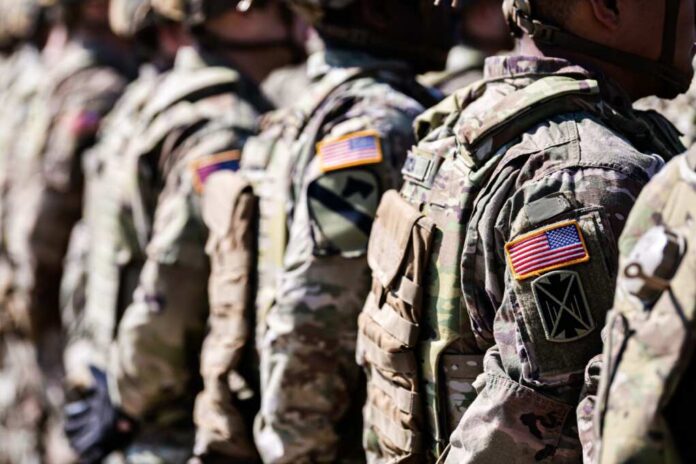
Members of Congress are raising the alarm that commercial data brokers have created a vulnerability that hostile regimes can exploit to track American troops in real time.[5][6] Researchers from Duke University and partner institutions demonstrated that it is not difficult to purchase non-public, individually identified information on active-duty service members, veterans, and even their family members, including sensitive health and financial data, from U.S. data brokers.[1][2] They bought this data legally, at scale, revealing how thin current defenses really are around those who volunteer to wear the uniform.[1][2]
The same data-broker ecosystem that fuels targeted advertising and “personalized” apps can reveal where troops live, which bases they frequent, and what churches, clinics, and schools their families use.[1][2][4] Location data harvested from ordinary smartphone applications is quietly collected and then resold through layers of intermediaries, often without the clear knowledge or consent of the individual.[4][5] Analysts warn that foreign intelligence services or proxy groups could buy that data and build precise profiles on service members’ routines, relationships, and vulnerabilities, turning consumer tracking into a national-security threat.[2][6]
Research Shows Just How Cheap and Easy It Is to Buy Troop Data
A Duke-led team tested the market by posing as ordinary buyers using a nonprofit-style domain and even a foreign “.asia” address, then approached dozens of data brokers that openly advertised information on U.S. military personnel.[1][6] The researchers were able to purchase records on active-duty troops, veterans, and their families for as little as twelve cents per record, with fields that included home addresses, health conditions, and other sensitive details.[1][2][3] Location data tied to bases and deployment sites was advertised as well, even if the researchers chose not to buy that particular category.[1][2]
Earlier security studies underscore how dangerous this data can be once aggregated.[2][6] A NATO Strategic Communications Centre analysis found that adversaries could use commercially available data to craft highly targeted, manipulative messages that exploit specific soldiers’ personal weaknesses and social networks.[6] Privacy advocates have documented cases where advertising and data-broker systems exposed patrol routes around military bases and other sensitive operations, all without a traditional “hack.”[2] In that environment, a determined foreign service does not need to break into Pentagon networks; it can simply swipe a credit card in the commercial data marketplace.[2][5]
Lawmakers Press the Pentagon as New Laws Try to Catch Up
Responding to mounting evidence and public concern, Congress enacted the Protecting Americans’ Data from Foreign Adversaries Act of 2024 as part of a larger national-security package.[1][5][7] The law prohibits data brokers from selling or otherwise making available sensitive, personally identifiable information—including precise geolocation—to China, Russia, Iran, North Korea, and entities they control.[1][5] The statute also empowers federal regulators to pursue significant civil penalties when brokers flout these restrictions, signaling that lawmakers now view data flows as a frontline national-security issue, not just a consumer-privacy topic.[5][7]
Critics argue that the measure, while important, is not enough by itself because it focuses on sales to formally designated foreign adversaries, not on the broader volume of data being harvested and resold about Americans in the first place.[2][5][7] Analysts stress that intermediaries, shell companies, or nominally friendly jurisdictions could still facilitate access to U.S. troop data when the underlying collection remains largely unchecked.[2][5] Pentagon reports on commercial data risks acknowledge the threat, yet also note that there is still no comprehensive national privacy framework limiting what data brokers can gather about citizens or soldiers before any foreign buyer ever appears.[7]
Balancing Freedom, Technology, and Duty to Protect Those Who Serve
This fight over data brokers, foreign adversaries, and troop safety cuts to a core conservative concern: whether Washington will finally prioritize the security of its own citizens over the convenience and profit of a surveillance-driven digital economy.[2][4][5] Privacy advocates argue that the most powerful safeguard is to reduce how much data is collected and resold at all, since information that is never gathered cannot be stolen, misused, or weaponized by enemies.[2] For military families who already shoulder deployment stress and operational risk, the idea that gaming apps and fitness trackers might help hostile forces map their lives feels like one more avoidable burden.[1][2][5]
TROOPS BEING TRACKED
CENTCOM confirmed it. Adversaries are using commercially bought location data to find and target US personnel in the Gulf.
This is the data your apps sell. Scraped from phones, sold to brokers, available to anyone with money. It shows where troops gather and…— Brian Bullock | Everyone Knows (@EveryoneKnws1) May 28, 2026
Policy experts point to a straightforward starting point: treat Americans’ personal data as a strategic asset and extend stronger, clear limits on commercial harvesting, especially for categories like geolocation, health, and financial information tied to service members.[2][5][7] Lawmakers have begun that shift by targeting sales to foreign adversaries, but ongoing oversight of data brokers, tougher identity verification for buyers, and better education for troops about digital risks are likely to remain central topics.[1][6][7] For a country that asks young men and women to risk their lives, tightening these digital back doors is emerging as a basic test of seriousness about national defense.[2][5][7]
Sources:
[1] Web – Data brokers are helping enemies target US troops. The Pentagon must …
[2] Web – U.S. Prohibits Data Brokers from Making U.S. Sensitive Data …
[3] Web – [PDF] DATA BROKERS: A BENEFIT OR PERIL TO U.S. NATIONAL …
[4] YouTube – A Critical Examination of the Role of Data Brokers in the …
[5] Web – Data Brokers, Military Personnel, and National Security Risks
[6] Web – Understanding the Work of Data Brokers and Their Impact on Data …
[7] Web – Data Brokers and the Sale of Data on U.S. Military Personnel