Another commercial ship was hit near Oman, and three Indian sailors are still missing as search teams race the clock.
Story Snapshot
- India reported an attack on the cargo vessel Settebello off Oman and began rescue coordination [6][9].
- Twenty-one crew were rescued; three remain missing, with no confirmed attacker named [9].
- Maritime records confirm Settebello is a real general cargo ship, not a phantom vessel [7].
- The strike fits a wider pattern of murky incidents in tense shipping lanes near the Strait of Hormuz [14].
India Confirms Attack Report And Missing Crew
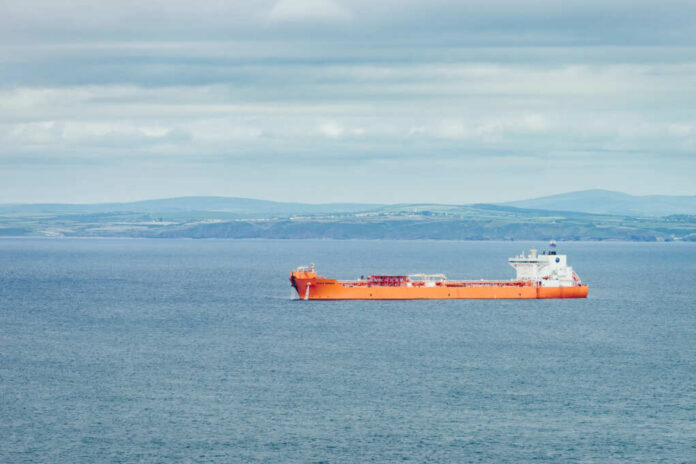
India said a commercial vessel named Settebello faced an attack near the coast of Oman. Indian officials said they were working with Omani authorities on search and rescue. Reports said twenty-one sailors were saved, while three Indians are still missing. Posts on social media flagged the incident location near the Shinas breakwater in Oman, about thirty nautical miles offshore [6][9]. Officials have not named a suspect. The priority remains finding the missing crew and stabilizing the ship’s situation.
Indian outreach to Oman signals a serious event, not a rumor. The report used clear terms like “attack” on a commercial ship. That language raises alarm for ship owners, insurers, and crews. When a government uses that word, it typically follows direct distress calls or crew accounts. Still, early facts can change as investigators collect statements and assess damage. Authorities have not shared the weapon or method. That means patience is wise as rescue teams work and evidence is sorted [9].
Vessel Identity Verified Amid Confusion At Sea
Maritime tracking records list Settebello as a general cargo ship with a unique number that confirms its identity. The database shows length, width, and other basic specs. That matters in a crisis, because false ship names can spread online. A confirmed profile limits guesswork and helps search teams plan. The ship was shown as out of range, which can happen during incidents or routine gaps in tracking coverage. The listing supports that a real ship is at the center of this event [7].
Social media posts reported the Settebello incident in near real time. Those posts often reach families and markets before officials publish full details. But they can miss context or get parts wrong. Here, the basic claim matches what Indian officials said later, which boosts confidence in the core facts. Still, key details remain open. No one has publicly taken blame. No government has named a group. That lack of attribution is common in the first hours after a maritime strike [6][9].
Pattern Of Risk In A Strategic Waterway
The waters near the Strait of Hormuz carry a huge share of the world’s energy and goods. That traffic makes them a target for raids, mines, and drones. News from the region often starts with fire, smoke, or distress calls, while cause and blame lag behind. Some cases are later tied to militants. Others turn out to be accidents or sabotage. A recent report from the same wider area described a tanker fire, missing crew, and investigators still checking the cause. That echoes today’s uncertainty [14].
Shipping firms face higher insurance costs and route changes every time an attack occurs. Crews bear the danger first. Families face days of fear as search teams scan wide seas. Ports and navies balance rescue, patrols, and evidence work. Clear facts take time. That is why smart policy avoids snap blame without proof. Verified details help shape a firm response and avoid a wider clash. Today, the world watches for hard data on damage, weapons used, and any claim of responsibility [14].
What This Means For America And Our Allies
American trade and energy prices depend on safe sea lanes. Every hit near Oman can ripple to the pump and the store. The United States and partners must support fast rescue and real attribution. That means better ship tracking, layered defense against drones and mines, and tough penalties for proven attackers. It also means pushing back on narratives that excuse strikes on civilians. Strong navies and clear red lines deter chaos and protect free commerce for everyone.
The Trump administration backs peace through strength at sea. That includes quick intelligence sharing and targeted action when facts are firm. Congress should fund robust patrols, port security, and training for crews. Vessels need simple drills for attack, fire, and abandon-ship. Families deserve straight updates, not spin. As India searches for three missing sailors from Settebello, America should press for truth, back our allies, and keep vital lanes open with resolve and clarity [7][9][14].
Sources:
[6] Web – Italy Prosecutors Open Terrorism Probe Into Oil Tanker Explosion
[7] X – NewsTanksVoiceofSea (@NewsTanksind) / Posts / X
[9] Web – Russia says it prevented ‘terrorist attack’ on mined vessel from …
[14] Web – U.S. Forces Strike Back After Houthi Attack on Merchant Vessel