Twelve lives lost in a Missouri skydiving crash demand facts over rumors—and swift, transparent answers.
Story Snapshot
- Officials said there is no sign of crime or terrorism; a federal probe is underway [6].
- The flight supported a skydiving operation and crashed shortly after takeoff near Butler [6].
- The National Transportation Safety Board will lead the investigation; causes remain unconfirmed [6].
- Past Missouri skydiving crashes show causes can range from engine failure to control-surface damage [1][4].
What Authorities Confirmed On Day One
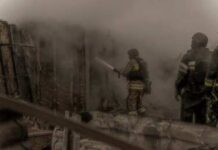
Sheriff Chad Anderson said federal investigators took charge quickly. The Federal Aviation Administration was already on scene, and the National Transportation Safety Board would lead the case. Officials reported no sign of criminal activity or terrorism. Leaders urged people not to spread speculation while families grieved and teams secured the site [6]. This response sets a clear path: establish the facts, document the wreckage, and release updates through a public information officer when reliable.
Reporters at the local airport said the aircraft supported a skydiving operation and went down shortly after takeoff. Early witness impressions described power loss and a failed attempt to clear a roadway before the plane stalled and hit nose-first, then caught fire [6]. Those details are common in first waves of coverage. They help shape timelines but do not prove cause. Only wreckage study, engine teardown, and performance data can confirm what failed, when, and why.
What We Do Not Know Yet—and Why That Matters
Officials did not release the owner or tail number in initial briefings. Without those identifiers, the public cannot check maintenance history, airworthiness compliance, or pilot records. Date references in early clips also varied, which can confuse readers until records are aligned. These gaps do not mean a cover-up. They show the normal fog of breaking news. Final answers must come from documents, not guesses: the preliminary report, docket notes, and a probable-cause finding from the National Transportation Safety Board [6].
Skydiving flights add unique risks near takeoff and jump run. Prior Missouri cases prove that causes differ and that investigators can pin them down. In a 2006 Missouri crash, the National Transportation Safety Board found a right-engine power loss and the pilot’s failure to keep airspeed as the probable cause. That loss of control killed six people [1]. In a separate 2024 Butler event, the Federal Aviation Administration said a parachute struck the tail, damaged the horizontal stabilizer, and led to a crash after jumpers got out safely [4].
How Investigators Will Build the Truth From Wreckage
Investigators will map debris, photograph control linkages, and recover engine parts. They will match witness accounts with data like radar returns and airport weather. They will study maintenance logs, recent repairs, and airworthiness directives. They will review pilot training, duty time, and medical status. If needed, labs will test metal for fatigue and heat damage. This slow, careful process turns chaos into a timeline and a cause. That is how families get honest answers.
🚨✈️ Breaking News | Missouri Skydiving Plane Crash
Tragic news out of Missouri. A skydiving aircraft carrying 11 skydivers and 1 pilot crashed near Butler Memorial Airport, resulting in the deaths of all 12 people on board.
Video footage from the scene shows a large emergency… pic.twitter.com/Sg8xtONthT
— The Knight News (@Knight981311) June 14, 2026
Patriotic readers should demand transparency, not spin. Government should release what it can, fast, without hiding behind jargon. Media should label guesses as guesses. Lawmakers can press for timely document releases, including logs, engine teardown notes, and interviews, while protecting the integrity of the probe. Respect for due process, limited government overreach, and the truth go together. Accountability rests on evidence, not on the loudest voice in a news clip.
What Accountability Should Look Like Next
When the National Transportation Safety Board publishes its preliminary report, it should answer basic questions: aircraft identity, operator, crew qualifications, and any obvious mechanical signs. Families, skydivers, and pilots deserve that clarity. If the record later shows poor maintenance, training gaps, or flawed procedures, the operator should fix them or face consequences. If the record shows an unpredictable failure, regulators should share lessons to prevent a repeat—without punishing safe operators for headlines.
Sources:
[1] YouTube – First responders on the scene after 12 killed in Missouri plane crash
[4] Web – Crash of a De Havilland DHC-6 Twin Otter 100 in Sullivan: 6 killed
[6] Web – Skydivers escape plane crash in Missouri field – Facebook