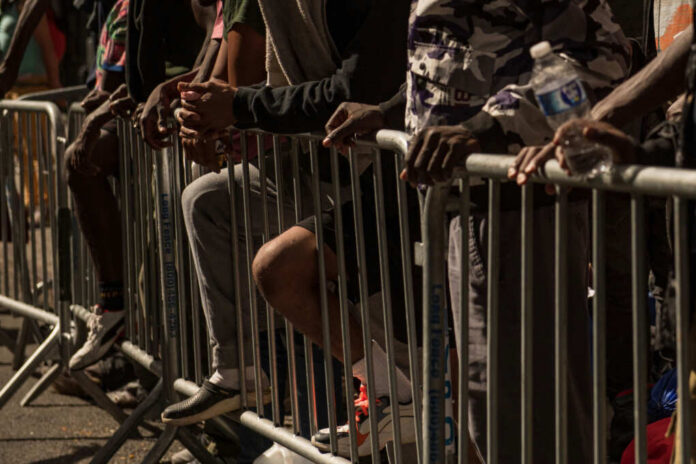
Across this July 4 weekend, police from Indianapolis to Washington, D.C. are bracing for social‑media “teen takeovers” that have already ended in shootings, smashed property, and curfews that many Americans see as one more sign the system is losing control.
Story Snapshot
- Police in several cities are stepping up patrols and curfews after prior “teen takeover” events resulted in shootings, injuries, and arrests.
- Research shows youth curfews barely reduce crime, raising doubts about whether crackdowns really make communities safer or just expand government control.
- Teens say most gatherings are meant to be social, while experts warn a small number can quickly tip into chaos when there are no safe places to go.
- Both right and left now see “takeovers” as one more example of leaders reacting late, arguing on TV, and dodging deeper problems like bored youth, broken families, and unsafe streets.
Police brace for July 4 after violent teen gatherings
City leaders are heading into the holiday worried that another “fun night” could turn into a crime scene. In Indianapolis, police warned of “large, unauthorized gatherings” downtown and pointed back to a July 4 shooting last year that killed two teens and wounded five others. In Washington, the Metropolitan Police Department created special Juvenile Curfew Zones in 2025 after big crowds of kids led to fights, property damage, and some violent crime in busy neighborhoods. These moves echo a broader pattern: officials wait for violence, then rush to clamp down.
The list of recent incidents is long and troubling. In Florida, a “teen takeover” at a Clearwater beach on May 31 grew to more than 500 youth before a 17‑year‑old was shot. In Tampa, police arrested 22 people, ages 12 to 21, after a park gathering spun into fights, drug charges, and weapon violations. A “teen takeover” in Gwinnett County, Georgia, on March 28 left one teen injured and nine people arrested, including adults accused of contributing to the chaos. In Washington, another spring meetup ended with eight teens arrested and five accused of attacking an officer.
Curfews, crackdowns, and a government that looks reactive
To many Americans, the response feels familiar: when leaders do not fix deeper problems, they reach for curfews and patrols. Washington’s Juvenile Curfew Zones now let police block groups of eight or more teens from gathering after 8 p.m. in certain areas. St. Louis imposed a 9 p.m. downtown curfew for anyone 17 or younger after seeing unsupervised teens involved in conflicts and fireworks “wars.” Chicago and other cities are debating “snap curfews” that let officers clear an area for short windows when crowds grow, with arrests and fines as the backup.
Yet researchers say these rules barely move the needle on crime. Studies cited by national education and news outlets find youth curfews cut crime by between zero and two percent at best, while often increasing conflict between young people and police. One urban policy analyst told PBS that many teens at these events are simply looking for something to do and have few safe options. This raises a hard question that speaks to wider frustration with government: are curfews real safety tools, or just visible “action” that lets leaders claim they did something after the fact?
Teens, experts, and the fight over the “out‑of‑control” label
The label “teen takeover” itself has become part of the political fight. A New York Times report describes the gatherings in cities like Detroit, Chicago, Atlanta, and Washington as loud and sometimes unruly, but notes that conservative outlets often play the most extreme clips, feeding fear. Legal scholar Kristin Henning argues the events are not inherently dangerous, saying only a small minority of youth engage in serious misbehavior. Teens interviewed in several cities describe the meetups as a chance to hang out and feel free, not as organized riots or planned attacks.
At the same time, even cautious experts admit that some events clearly cross a line. Governing Magazine reports that “not all teen takeovers turn violent,” but the ones that do can bring racing cars, fights, and even deaths, overwhelming police and public spaces. National desk coverage highlights shootings linked to large youth crowds in Jacksonville, gunfire in Washington, and vandalism in a Bronx mall. In these moments, families and business owners see less a harmless meetup than another sign that basic order is breaking down while officials argue over blame.
Deeper causes: bored youth, social media, and missing “third spaces”
Behind the headlines, the same structural problems keep showing up. Social media platforms like TikTok and Snapchat make it easy to blast out digital flyers and gather hundreds of teens at short notice, with almost no adult planning or supervision. Youth outreach experts say many kids show up because they have nowhere else to go: after years of budget fights, many cities lack safe “third spaces,” like late‑night rec centers, youth clubs, or supervised plazas where teens can be noisy without scaring residents. That vacuum leaves streets and malls as the default stage.
Out-of-Control Teen Takeovers Now Sparking Fear Across July 4 Weekend https://t.co/zwl6NlFMkp
— Marlon East Of The Pecos (@Darksideleader2) July 3, 2026
Some cities are trying a different path that speaks to common‑sense instincts on both left and right. Indianapolis health officials have backed “Peace on the Plaza,” a downtown event with music and activities meant to draw youth away from unsupervised meetups. Atlanta’s mayor has invested in centers like the At Promise program to give young people mentoring and a safe place off the street. National research on community‑led public safety finds that outreach workers, better lighting, and clean, safe public spaces can cut local gun violence without turning every summer night into a curfew checkpoint.
Failing systems and shared worries about control
The fight over teen takeovers touches long‑standing fears about government, policing, and fairness. Conservatives see chaotic scenes as proof that “soft” policies, weak prosecutions, and social media giants have let basic law and order slip. Liberals worry that calling any large youth gathering a “takeover” invites over‑policing, racial profiling, and more teens pushed into the justice system. But both sides increasingly agree on one thing: leaders are not solving the core problems. They tighten rules after each crisis while deeper issues—family breakdown, poor schools, and hollowed‑out neighborhoods—remain untouched.
Sources:
redstate.com, goodmorningamerica.com, abcnews.com, nypost.com, wtop.com, instagram.com, facebook.com, cbsnews.com, nytimes.com, pbs.org