When a rock legend on stage and the Trump White House end up arguing over the name of a major body of water, it shows how symbolism is driving politics while real problems go unsolved.
Story Snapshot
- President Trump officially ordered the U.S. government to call the Gulf of Mexico the “Gulf of America.”
- John Mellencamp mocked the change during a New Jersey concert, calling it “a stupid f***ing idea.”
- A White House spokesperson fired back, saying “nobody in their right mind cares” what “out-of-touch, woke Hollywood celebrities” think.
- The clash highlights how both sides fight over names and culture while many Americans feel government is ignoring everyday struggles.
What Trump’s Gulf of America Order Really Did
President Trump signed Executive Order 14172 on January 20, 2025, the day of his second inauguration, to rename the Gulf of Mexico for federal use. The order, titled “Restoring Names That Honor American Greatness,” directs all United States executive agencies to refer to the water as the “Gulf of America” on maps, documents, and contracts. It tells the Interior Secretary to change the federal geographic database and remove references to “Gulf of Mexico” for the U.S. continental shelf off Texas, Louisiana, Mississippi, Alabama, and Florida.
Trump’s order is framed as a patriotic move that honors the Gulf’s role in United States energy, trade, and security. White House materials say the Gulf is a “pivotal” resource and an “integral asset” to the nation, supporting jobs and oil production in coastal states. Interior Department orders followed, instructing the Board on Geographic Names to immediately update the federal names system and label the water “Gulf of America” in official records. In federal paperwork, the rename is not just a slogan; it is a binding directive for agencies.
John Mellencamp’s On-Stage Rebuke
On July 25, 2026, at a concert in Holmdel, New Jersey, rock singer John Mellencamp stopped mid-song during “Pink Houses” to talk about the renaming. According to reporting, he said, “The Gulf of Mexico? Is that right? It’s not the Gulf of America? What a stupid f***ing idea.” His joke landed in front of a live crowd and directly mocked Trump’s decision, turning a technical naming order into a culture moment. Media outlets described Mellencamp as an “eighties icon” and “rocker,” which helped amplify his comments.
Mellencamp has a long record of mixing music and politics, including a performance at the White House in 2001 with a guitar that said “F-ck Racism.” That history matters because it shows this was not a random outburst but part of his ongoing public stand on social issues. Still, his Holmdel remark was emotional, not legal. He did not argue about statutes or international law; he simply called the rename “stupid” and moved on. That made his critique easy to share online but light on hard evidence.
The White House Fires Back at a “Woke Hollywood” Critic
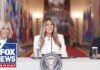
After Mellencamp’s comments spread, the Trump White House did not ignore them. A spokesperson, Davis Ingle, gave an on-the-record statement to Fox News Digital, saying, “Nobody in their right mind cares what out-of-touch, woke Hollywood celebrities have to say.” The line did not defend the rename with facts. Instead, it attacked Mellencamp’s status, painting him as part of a liberal entertainment elite far from everyday Americans. The remark quickly fit into wider “culture war” talk on social media.
White House responds to John Mellencamp criticizing 'Gulf of America' name change https://t.co/y1EZOuFqed
— The OPEN Daily (@theopendaily) July 28, 2026
This kind of response works as a short slogan, easy for supporters to repeat, but it gives little detail about why the rename helps the country. The White House has stronger factual ground it could point to: the executive order, the Interior directive, and the legal authority for federal naming. Yet the public clash focused more on celebrity versus president than on those documents. That choice feeds the feeling, on both left and right, that leaders care more about media battles than serious debate.
Symbolic Fights and a Distrustful Public
The naming dispute does not change gas prices, wages, or border security, but it still sparks strong feelings because it touches identity. Trump and his allies say “Gulf of America” honors national greatness and rejects globalist norms that keep old names in place. Critics see it as empty branding that stirs nationalism while ignoring deeper problems like income gaps, debt, and the struggle of working families. Both sides use simple language and vivid images, which keeps the fight in the headlines.
Meanwhile, many Americans who are not famous feel stuck between these loud symbols and their quiet fears. Conservatives see decades of “woke” priorities and global deals that leave regular citizens behind. Liberals see “America First” slogans and crackdowns on immigrants while health care and housing stay out of reach. This “Gulf of America” argument fits a bigger pattern: elected leaders and cultural elites spend time renaming things and attacking each other, while millions doubt Washington can still focus on practical solutions that make the American Dream real again.
Who Gets to Name What, and Why It Matters
Legal experts note that Trump can make federal agencies use “Gulf of America,” but that does not force other countries, global mapmakers, or news outlets to follow. The Associated Press chose to keep “Gulf of Mexico” in its style guide, and the White House punished it by limiting access to events, calling its wording “falsehoods.” That episode shows how a seemingly small naming rule can lead to real fights over press freedom and truth in government statements.
Mexico and Cuba still view the water as the Gulf of Mexico, and many international bodies have not changed their charts. So Americans now live with two names for the same place, depending on who is speaking. For citizens across the political spectrum, this split can feel like one more sign that elites are playing games with language and power. Whether they cheer Trump or Mellencamp, many look at this story and ask a simple question: if leaders can move so fast to rename a gulf, why is it so hard for them to fix the deeper problems at home?
Sources:
thegatewaypundit.com, independent.co.uk, facebook.com, reuters.com, nypost.com, news.meaww.com, whitehouse.gov, latimes.com, nbcchicago.com, theguardian.com, apnews.com, doi.gov