Immigrant-owned grocers have taken New York City to court, arguing the mayor’s city-run grocery plan will undercut them with taxpayer-backed discounts and tax-free locations.
Story Snapshot
- Immigrant-led coalition filed suit to block city-owned grocery stores in New York County Supreme Court.
- Plaintiffs say the plan gives public stores rent, property tax, and subsidy advantages private shops cannot match.
- City says a core basket of goods will be priced about 30 percent lower than typical retail.
- Grocers claim unfair competition and civil-rights harms to minority and immigrant owners.
What Triggered The Lawsuit
On Monday, the Multicultural Business Coalition filed a class-action suit in New York County Supreme Court to stop the rollout of five city-owned grocery stores. The group represents many small grocers and bodegas owned by immigrants across the city. The complaint challenges the program’s structure and pricing plan. The filing argues the city’s approach will distort the market and push thin-margin neighborhood stores toward closure. The city has not yet released a court response in this record.
Mayor Zohran Mamdani’s administration announced that each public store will sell a core basket of everyday goods at about 30 percent below typical retail prices. City materials describe the aim as lowering food costs for all shoppers during a period of high prices. News reports say the stores would sit on city-owned sites and could avoid rent and property taxes, which helps support those discounts. Private operators would run daily store operations under city rules.
Why Independent Grocers Say The Plan Is Unfair
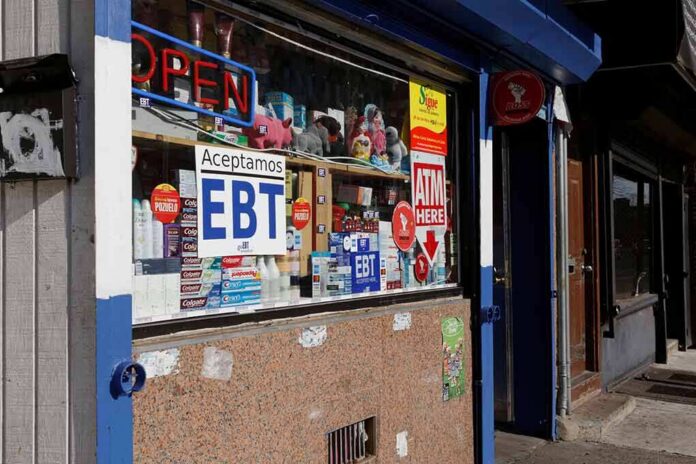
Plaintiffs claim the city’s model gives the new stores structural advantages no private shop can copy, including subsidized real estate, construction funding, and public support. They argue a 30 percent price gap on staples would drain customers from bodegas and small supermarkets that already work on tight margins. Coalition leaders say many of the at-risk stores are owned by Latino and Asian immigrants, making the harm both economic and social in neighborhoods that rely on them.
The suit also says the city moved forward without a full land-use and impact review on nearby retailers. That alleged gap matters because the policy’s costs and benefits fall unevenly across blocks. Supporters of public grocery models say these programs can fight food insecurity and corporate concentration, but they also admit the approach often depends on subsidies and careful governance to avoid collateral damage to existing stores. That tension sits at the core of this legal fight.
The Legal Theories At Play
Reporting on the coalition’s strategy points to claims of unfair competition, predatory pricing, tortious interference, and discrimination under state and federal law. In past antitrust guidance, regulators consider predatory pricing when prices fall below certain cost measures to weaken rivals, though each case turns on facts like market power and intent. Here, plaintiffs argue the city’s subsidies function like below-cost pricing that private grocers cannot meet, even if the store operators are technically breaking even with public help.
Zoran Mamdani is facing a class-action lawsuit filed by a group of immigrant grocery store owners who claim that his plan to promote government-funded grocery stores in New York City would harm small businesses. pic.twitter.com/52Brxx4OFP
— Grace (@Grace4525u) August 24, 2026
At the same time, the administration frames the stores as a public option for food, not a profit-chasing chain. Advocates of public groceries say governments can step in where markets fail, especially in neighborhoods with few choices or high prices. That consumer-first message can be powerful, especially when shoppers feel squeezed. The court will now weigh whether the city crossed legal lines while trying to lower grocery bills for residents.
Why This Matters Beyond New York
This clash reflects a wider national fight over when government should run or back retail services. Supporters see a safety valve for families battling inflation. Opponents see the state picking winners and pushing out small businesses that built their lives here. Both sides tap a shared worry: big players and insiders write the rules, while regular people get left behind. The outcome in this case could shape how other cities design, defend, or limit public grocery plans.
Sources:
facebook.com, nypost.com, dailymail.com, businessinsider.com, thehill.com, nytimes.com, freshfruitportal.com, reddit.com, foxnews.com, foxbusiness.com, nyc.gov