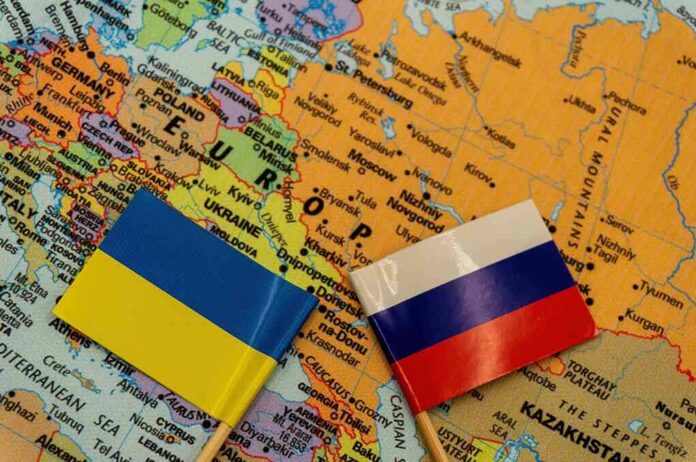
Russian diplomatic missions warned that any move to cut off Kaliningrad could trigger a response “including nuclear weapons,” jolting a region where one wrong step could upend peace in Europe.
Story Snapshot
- Russian embassies warned that a blockade of Kaliningrad could face a response using “all means,” including nuclear weapons.
- President Vladimir Putin earlier said Russia can destroy anyone who attacks the exclave.
- The stated trigger is an air or naval effort to isolate Kaliningrad from mainland Russia.
- Analysts say Kaliningrad’s location makes it a flashpoint for NATO–Russia tension.
Moscow’s Warning and the Stated Trigger
Russian embassies in Europe issued on-record warnings about Kaliningrad. The messages said any attempt to isolate the exclave could be met with Russia’s “entire arsenal,” including nuclear weapons. The embassies named an air or naval blockade as a possible trigger. They also flagged possible strikes on “decision-making centers” if a conflict began. The statements framed the warning as a response to talk of a blockade by North Atlantic Treaty Organization members. The embassies tied the warnings to defense of Russian territory.
President Vladimir Putin previously set a hard line on attacks on the region. He said Russia had the means to destroy anyone who tries to attack Kaliningrad. That comment was made months before the embassy notes, but it matches the same theme. The message is deterrence: do not test Russia in the Baltic. The Kremlin often uses clear, tough language when it believes access to a key outpost is at risk. Kaliningrad sits between Poland and Lithuania on the Baltic Sea.
Why Kaliningrad Raises the Stakes
Kaliningrad is small but armed and strategic. The region gives Russia a Baltic Sea port and a military foothold inside the North Atlantic Treaty Organization’s front yard. Its location makes supply lines from mainland Russia vulnerable. That is why Moscow treats any talk of a blockade as a red line. Security experts have long warned that missteps here could pull major powers into a direct clash. Geography and military build-up make fast escalation more likely if a crisis starts.
Research on nuclear standoffs says crises between nuclear-armed states can escalate faster than others. Signals, misreads, and fear can feed a cycle that races ahead of leaders’ plans. Scholars also warn that strategic ambiguity can open new, risky paths. Those paths can be hard to close in time. In short, when nuclear powers trade threats near a border, the risk is not only war. The risk is a fast slide into a fight no one intended to start.
How Allies and Citizens Should Read the Signal
The embassy warnings were clear about one thing. If allies try to cut off Kaliningrad by air or sea, Russia says it will respond with all tools it has. That includes nuclear arms. This is not proof that war is coming. It is a deterrent message tied to a specific trigger. Still, such talk adds stress to Europe’s security picture. It also pressures alliance planners, who must weigh every move against the risk of sudden, sharp escalation.
🚨 BREAKING: PUTIN ISSUES NUCLEAR WARNING
🇷🇺 Vladimir Putin warns that any direct attack on Russia or Kaliningrad could immediately raise the question of using “all the weapons” at Moscow’s disposal. pic.twitter.com/xFPHg41sNo
— IRAN IRGCC (@IRANIRGCC) October 1, 2026
For citizens in the United States and Europe, this news hits old nerves. People on the right and left already doubt that leaders put national safety first. Many see elites in capitals talking tough while daily costs and risks grow at home. A nuclear-tinged warning over a small slice of land reminds us how fragile peace can be. It also shows how fast global games can raise prices, close trade lanes, and shake energy markets far from the Baltic.
What to Watch Next
Watch for formal statements from the North Atlantic Treaty Organization and the European Union on any change in posture. Look for signs of military movements around the Baltic Sea that suggest higher alert levels. Track whether Moscow repeats the warning through its foreign ministry, not just embassies. Follow whether allied governments adjust supply routes, maritime patrols, or air policing near the Suwalki gap. These signals will show if words are hardening into new rules on the ground.
Bottom Line for American Readers
Clear messages can prevent war, but vague threats can also spark it. The embassy notes try to draw a red line around Kaliningrad’s lifelines. That raises the cost of any pressure plan by allies. The smart path puts deterrence and restraint first. It also demands honest briefings to voters about risks, costs, and aims. When leaders level with people, trust goes up and panic goes down. That is how a free nation manages danger without losing its way.
Sources:
insiderpaper.com, tass.com, noticias.foxnews.com