A seaplane went down in New York City’s East River on Sunday — and the pilot had survived a crash near the very same bridge just six years earlier.
Story Snapshot
- A seaplane carrying up to 10 people went down in the East River near Throgs Neck Bridge in Queens just before 9:30 a.m. Sunday.
- New York City Fire Department (FDNY) crews pulled the pilot and a passenger from the water — both were uninjured.
- The pilot, Queens restaurant owner Joe Oppedisano, was seriously hurt in a separate plane crash near the same bridge back in 2020.
- The cause of the crash is still under investigation, though eyewitnesses reported a large wave may have struck the plane on landing.
What Happened on the East River
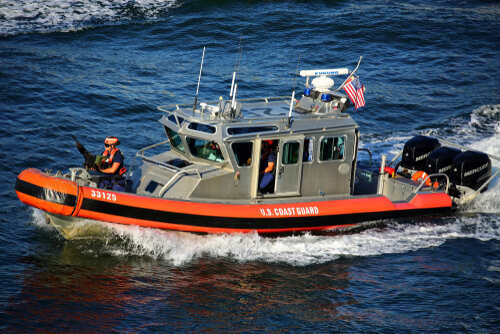
The New York City Fire Department responded to a seaplane down in the water near Throgs Neck Bridge and Whitestone, Queens, just before 9:30 a.m. Sunday. Firefighters pulled two people — the pilot and one passenger — onto an FDNY boat. Neither person was injured. The New York City Office of Emergency Management was also on the scene. The plane was later towed out of the water and brought to Whitestone, close to where it went down.
Eyewitness Elijah Westbrook was near the scene and told reporters he watched a small boat pull the two people from the water under clear skies. Other witnesses on shore described visible damage to the plane, including a broken window. Passenger counts in early reports varied — some said eight, others said ten — but FDNY officials confirmed only two people were on board at the time of the crash.
A Pilot Who Has Been Here Before
The pilot was identified as Joe Oppedisano, a Queens-based restaurant owner and entrepreneur. In 2020, Oppedisano was seriously injured in a plane crash that also occurred near Throgs Neck Bridge — the same stretch of water where Sunday’s incident took place. That history makes this a remarkable story of survival, though it also raises questions about what drew him back to the same area and what went wrong this time.
Reports from the New York Post indicated that a large wave struck the seaplane during landing, causing it to take on water. That detail matters because it points to environmental conditions as a possible factor — not just pilot action. However, no official findings have been released. The Federal Aviation Administration (FAA) and the National Transportation Safety Board (NTSB) have not issued any preliminary report, leaving the public without a confirmed cause.
What the Safety Record Says About Seaplanes
Seaplane incidents like this one are not rare. Between 2008 and 2022, there were 406 seaplane accidents in the United States. Most — 329 — were non-fatal, but 77 ended in a death. When seaplanes do go down in water, drowning — not the impact itself — is the leading cause of death. Research shows that in past accidents, 70% of pilots and passengers who died were trapped inside the aircraft.
Check out JoeD69's video! #TikTok https://t.co/RUxlP5CS6q
A seaplane carrying eight people crashed into New York City's East River on Sunday 7-5-26!!! 🤯🚨 #plane #nyc #eastriver #crash #seaplane
— joed69 (@josephdimatteo) July 5, 2026
Historical data also shows that in roughly 72% of seaplane accidents studied over a 40-year period, pilot technique or judgment played a role. That does not mean Oppedisano made an error — the cause here is still unknown. But it does explain why investigators look closely at both environmental conditions and pilot decisions whenever a seaplane goes down. The fact that both people walked away uninjured is, statistically speaking, a good outcome. Many who end up in the water after a seaplane crash do not.
Sources:
youtube.com, instagram.com, particle.news, hakaimagazine.com