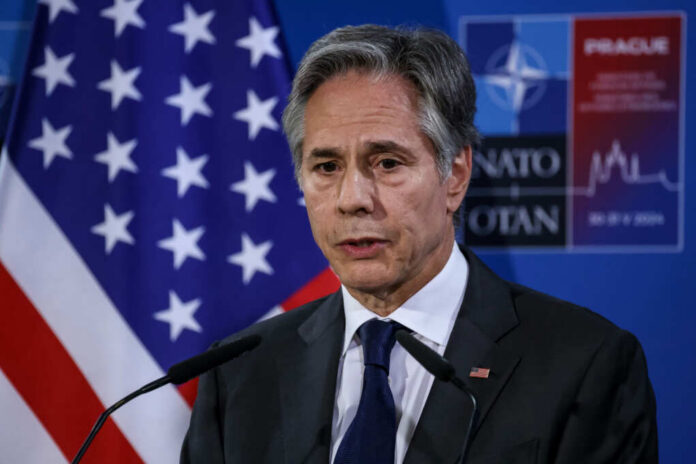
Europe is racing to lock in a huge Ukraine pledge at the NATO summit, but the numbers already show the promise may be more political than new.
Quick Take
- German Chancellor Friedrich Merz says NATO allies will commit at least €70 billion for Ukraine.
- The reported package is tied to a draft summit declaration for the July 7-8 Ankara meeting.
- Reports say the figure may draw from old pledges, not fresh money.
- Italy has pushed back on language about extending the commitment into 2027.
What Merz Says Allies Will Back
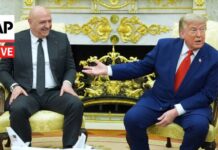
German Chancellor Friedrich Merz said NATO allies will commit at least €70 billion in military and financial support for Ukraine at the Ankara summit. Reports say the draft declaration also points to support through military equipment, training, and aid by 2026. The figure has been framed as a major signal of unity, but it is already drawing questions because the United States is not expected to join this new European funding push.
The plan matters because it shows Europe trying to carry more of the burden on its own. That shift fits a larger pattern inside NATO, where allies keep announcing big targets while arguing over who pays and when. Merz has pushed for stronger European action before, and his message now is aimed at both Moscow and wavering allies. The public goal is solidarity. The harder task is turning promises into usable help.
Why The €70 Billion Figure Is Raising Doubts
Several reports say the €70 billion total is not a fresh cash estimate, but an aggregation of earlier commitments. One account says the package includes about €30 billion from an existing European Union loan facility and about €40 billion from the 2024 Washington summit pledge. If that reporting is right, the headline sounds bigger than the actual new money. That gap helps explain why critics are calling the pledge a political target rather than a clean breakthrough.
This is where the story cuts across politics. Supporters can point to a real effort to keep Ukraine supplied. Skeptics can point to the habit of rebranding old commitments as new action. That tension is familiar to people who have watched governments promise more than they later deliver. It also feeds a broader complaint heard across Europe and the United States: elites announce bold plans, then leave the hard work to taxpayers and slow-moving bureaucracies.
Alliance Unity Still Has Cracks
The biggest warning sign is not the size of the pledge. It is the lack of full agreement on what comes next. Reports say allies have not settled language that would extend the same level of support into 2027, and Italy has opposed that wording. That leaves the draft in a fragile state even before the summit opens. A strong public message can still matter, but internal splits often decide whether the promise survives contact with reality.
🇹🇷 BREAKING: NATO approves draft declaration in Ankara—$80B Ukraine aid package for 2026-2027 & reaffirms collective defense. Geopolitical risks spike oil & gold. Markets on edge for Russia's next move.
— Dino Vibes Daily (@DinoLeadingNews) July 3, 2026
The wider NATO backdrop matters too. The alliance has already committed to bigger defense spending goals, including a long-term drive toward higher military and security-related investment. Yet officials also know that money does not automatically become weapons, training, or ammunition. Industrial limits, staffing problems, and political fatigue can slow delivery. In that sense, the Ukraine pledge is a test of whether NATO can do more than issue declarations and still claim real strategic purpose.
For now, the summit story is simple: Europe wants to show resolve, Ukraine wants durable backing, and NATO leaders want the alliance to look united. The harder truth is that headline figures often hide split responsibilities, old commitments, and unresolved disputes. If the final declaration repeats the €70 billion target without clearer funding terms, it will signal determination. It will also show how often modern governments prefer the appearance of action over the discipline of fully funded plans.
Sources:
insiderpaper.com, efe.com, youtube.com, x.com, euractiv.com, ukrinform.net