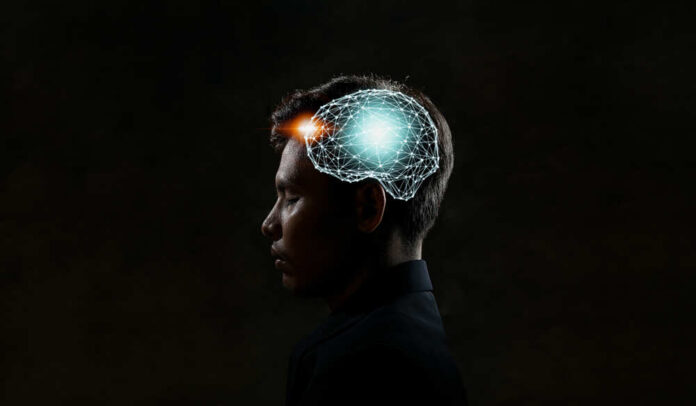
Brain scans uncover a 10% larger striatum in psychopaths, exposing biological roots of callousness that challenge America’s failing justice system.
Story Highlights
- Psychopaths show 10% striatum enlargement linked to impulsivity, confirmed by Nanyang Technological University, University of Pennsylvania, and California State University.
- Reduced connectivity between vmPFC and amygdala impairs empathy and emotional processing, per University of Wisconsin–Madison studies.
- James Fallon, UC Irvine neuroscientist, discovered his own psychopathic brain patterns in 2005, highlighting risks even in “successful” individuals.
- Findings fuel debates on using brain scans for sentencing amid rising crime frustration across political lines.
Striatum Enlargement Defines Key Difference
Recent studies from Nanyang Technological University, University of Pennsylvania, and California State University reveal psychopaths possess a striatum 10% larger than non-psychopaths. This forebrain region drives reward-seeking and impulsivity. Researchers observed this enlargement in both men and women using MRI scans. The finding suggests neurodevelopmental origins for psychopathic traits like heightened stimulation cravings. Such biological markers offer objective measures beyond behavioral assessments alone. Traditional values of personal responsibility face scrutiny as science identifies innate drivers of antisocial conduct.
Impaired Brain Connectivity Undermines Empathy
University of Wisconsin–Madison researchers Joseph Newman and Michael Koenigs documented reduced connectivity between the ventromedial prefrontal cortex and amygdala in psychopaths. This disconnect hampers emotional processing and moral decision-making. German studies from Jülich and RWTH Aachen confirm smaller volumes in pons, thalamus, basal ganglia, and insular cortex. These structural deficits correlate with Factor 1 psychopathy: callousness and manipulativeness. Criminal justice systems increasingly reference such data, yet conservatives warn against excusing accountability for elite manipulations or street crime.
James Fallon’s Discovery Spotlights Hidden Threats
In 2005, UC Irvine neuroscientist James Fallon analyzed serial killer scans and found his own brain matched psychopathic patterns. Despite no criminal history, Fallon embodies “successful psychopaths” who thrive in power without incarceration. Emerging research distinguishes their brain patterns from jailed counterparts, emphasizing environment’s role. Fallon advocates viewing psychopathy as a spectrum. This revelation alarms Americans weary of deep state figures who lack empathy yet wield influence, eroding trust in institutions meant to protect traditional principles.
Systematic reviews from 2020-2026 consolidate evidence of amygdala reduction and prefrontal alterations across global teams. Psychopathy Checklist-Revised (PCL-R) by Robert Hare remains the clinical gold standard, now bolstered by neuroimaging. Studies compare incarcerated psychopaths to matched non-psychopath controls, ensuring rigor through MRI, fMRI, DTI, and PET scans.
Brain scans reveal a shocking difference between psychopaths and other people
Scientists have uncovered a striking brain difference linked to psychopathy: people with psychopathic traits were found to have a striatum — a brain region tied to reward, motivation, and…
— The Something Guy 🇿🇦 (@thesomethingguy) May 10, 2026
Justice System Grapples with Biological Evidence
Criminal justice increasingly applies psychopathy assessments for sentencing and parole. Some jurisdictions integrate neuroimaging, sparking debates on legal responsibility. Researchers caution brain differences indicate risk but do not predetermine crime. Victims’ advocates demand better public safety tools, while civil libertarians fear misuse against innocents. Both conservatives frustrated by lax borders and liberals decrying inequality share distrust in a system favoring elites over everyday Americans pursuing the dream through hard work.
Sources:
Scientists Discover a Key Biological Difference Between Psychopaths and Normal People
Scans Reveal What The Brains of Psychopaths Have in Common
Psychopaths’ Brains Show Differences in Structure and Function
The Psychopathic Brain: Is It Different from a Normal Brain?
Structural Brain Abnormalities in Psychopaths
The Neuroscientist Who Discovered He Was a Psychopath