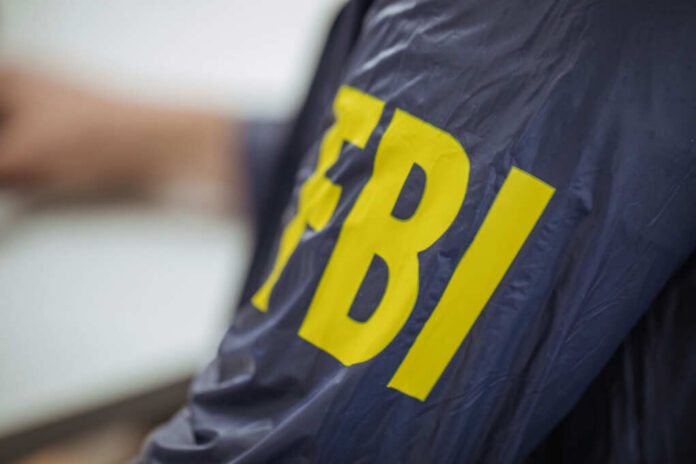
An FBI raid hitting the office of Virginia’s top Senate Democrat is reigniting a familiar question: who gets scrutinized, and who gets protected, when politics and law enforcement collide?
Quick Take
- The FBI is reportedly raiding the office of Virginia Democratic State Sen. Louise Lucas, the Senate President Pro Tempore and a major power broker in Richmond.
- The raid follows a long-running controversy tied to a 2020 Portsmouth protest where a Confederate monument was torn down and a demonstrator was critically injured.
- Earlier state charges against Lucas tied to that protest were dismissed, and public details about the current federal probe remain limited.
- The episode raises fresh debate about legislative protections under Virginia’s Constitution and whether investigations are applied evenly across political lines.
FBI raid targets a powerful Virginia Democrat as details remain scarce
Federal agents are reportedly conducting a raid at the office of Virginia Democratic State Sen. Louise Lucas, who represents Portsmouth and serves as Senate President Pro Tempore, the chamber’s highest-ranking Democrat. Reporting available so far does not clearly explain what federal statutes are under review, what records are being sought, or whether any subpoenas preceded the search. That lack of transparency is driving speculation, but the verifiable fact remains: a sitting legislative leader is under active federal scrutiny.
Lucas has been a fixture in Virginia politics since joining the state Senate in 1992, and she is widely viewed as an influential player in budget and policy negotiations. Any federal action involving a lawmaker’s office can disrupt constituent services, legislative planning, and caucus leadership, even before charges are filed. For voters already convinced that government protects insiders, the visual of an FBI raid cuts both ways: it can signal accountability, or it can feed worries about selective enforcement.
The 2020 monument case: injury, property damage, and dismissed charges
The most documented backdrop to Lucas’s legal controversies is a June 2020 protest in Portsmouth tied to Confederate monuments. During that event, a statue of a Confederate soldier was torn down; reporting described the resulting injury to a demonstrator as critical, and the damage to the monument was reported as exceeding $1,000. In the wake of the incident, local law enforcement filed charges against Lucas and others, including conspiracy and felony injury to a monument.
A key point from contemporaneous reporting is that the Portsmouth police chief filed those charges without approval from the local Commonwealth’s Attorney, who declined to pursue the case at the time. Police leadership argued an investigation was necessary, while critics saw a procedural red flag: when prosecutors won’t sign off, charges can look more like a political statement than a courtroom-ready case. Ultimately, the charges against Lucas were dropped, leaving unresolved public questions about what evidence existed and why it did not hold.
Virginia’s legislative protections collide with federal power
Virginia’s Constitution includes protections that limit when members of the General Assembly can be arrested during legislative sessions or in the 15 days before a session, with exceptions for treason, felony, or breach of the peace. In the earlier Lucas controversy, Democrats argued the timing of her arrest raised constitutional concerns. The current FBI action is different in form, but it still touches the same nerve: how aggressively should law enforcement move against elected officials, and what guardrails prevent politics from steering that power?
Because the current raid involves federal agents, it also spotlights the uneasy overlap between state politics and federal jurisdiction. Federal involvement can signal a more serious or distinct investigative theory than the earlier state case, but available reporting does not confirm what that theory is. Without affidavits, court filings, or official explanations, observers cannot responsibly conclude whether the raid reflects new evidence, a different alleged crime, or a broader inquiry unrelated to the 2020 monument incident.
Why this matters beyond Virginia: trust, equal justice, and “deep state” suspicion
The Lucas raid lands in a national climate where many conservatives believe institutions protect ideological allies and punish dissent, while many liberals fear that aggressive enforcement can be used to chill activism and protest. Both sides increasingly share a deeper frustration: government and its permanent bureaucracy often seem unaccountable. A raid on a powerful Democrat can look like overdue equal treatment, but the lack of clarity can also feed the broader “deep state” narrative if officials refuse to explain basic facts promptly.
NOW: An FBI raid is unfolding at the office of Virginia Democratic State Sen. Louise Lucas — and it’s already drawing serious attention.
Multiple people on the scene are reportedly being taken into custody as agents move through the area.
The office sits near several cannabis… pic.twitter.com/WIcn9xrzOy
— Fox News (@FoxNews) May 6, 2026
For now, the most defensible conclusion is also the most limited: the FBI is taking a step serious enough to search a lawmaker’s office, and the public deserves a clear explanation of what laws are at issue and what safeguards are being followed. If evidence supports wrongdoing, accountability should be non-negotiable regardless of party. If the case is thin or procedural corners were cut, that would reinforce public cynicism about weaponized investigations—another hit to confidence in institutions that Americans rely on.
Sources:
Virginia state senator, NAACP leaders charged with felony injury to Confederate statue
Louise Lucas, Virginia senator, charged with damaging Confederate monument
Top Virginia Democrat defends candidate who streamed sex acts with husband online, tips fight back