Iran’s IRGC is effectively telling the world that one of the planet’s most important oil chokepoints “opens” only after America is pushed out.
Quick Take
- Iran’s IRGC Navy says the Strait of Hormuz will only function normally if the U.S. ends its maritime pressure, framing “reopening” as contingent on American “neutralization.”
- Conflicting Iranian messages—diplomats signaling openness while the IRGC reimposes restrictions—underscore who really controls the waterway.
- President Trump has insisted the U.S. blockade remains in force until Tehran meets U.S. terms, even as Washington pauses parts of “Project Freedom.”
- With roughly one-fifth of global oil trade passing through Hormuz, even partial disruption can spike prices and intensify inflation pressure at home.
IRGC’s “Open When the U.S. Is Neutralized” Message Targets Global Commerce
Iran’s Islamic Revolutionary Guard Corps Navy has again framed access to the Strait of Hormuz as something ships must earn through Iranian approval—and as something that returns only when U.S. power is curtailed. Reports describe the IRGC declaring the strait “blocked” or under strict management while demanding an end to the U.S. naval blockade on Iranian-linked shipping. The practical effect is coercive: it pressures shipping companies and energy markets to price in Iranian political demands.
Iran’s messaging has also included direct threats tied to U.S. naval movements. One report said the IRGC warned it would attack U.S. forces if they approached Hormuz, while other coverage described the IRGC claiming “complete control,” including the use of drones and the potential of mines. Independent confirmation of some operational claims remains limited, but the repeated pattern is clear: Tehran’s hardline military apparatus is using a global trade artery as leverage.
A Ceasefire Didn’t Settle the Core Dispute: Who Controls the Waterway
A short-lived ceasefire in April was supposed to reduce regional escalation, but competing interpretations quickly re-ignited tensions. Reports describe Iran accusing the United States of violating understandings tied to reopening the strait, while U.S. statements emphasized that pressure would continue. This dispute matters because it turns “navigation” into a bargaining chip—one side asserting a rules-based maritime order, the other asserting control through force and conditional permission.
Iran’s internal split has been particularly telling. Iranian Foreign Minister Seyed Abbas Araghchi was reported saying the strait was “completely open” to commercial shipping, but the IRGC later moved to restore restrictions and return conditions to a “previous state” under armed forces control. For observers, that contradiction is not a minor nuance—it suggests the diplomatic wing can announce de-escalation while the IRGC, which answers to regime power centers, dictates reality on the water.
Trump’s Blockade Stance and the “Project Freedom” Pause Create a High-Stakes Test
President Trump has publicly maintained that U.S. maritime pressure remains “full force” until Tehran meets U.S. demands, including on nuclear issues, even as reporting says the administration paused parts of the offensive phase of “Project Freedom” amid negotiations. That combination—sustained pressure plus a tactical pause—aims to deter Iranian escalation while keeping space for talks. The risk is that Tehran interprets any pause as weakness, not restraint.
Why Hormuz Still Hits Americans: Oil Prices, Inflation, and Energy Security
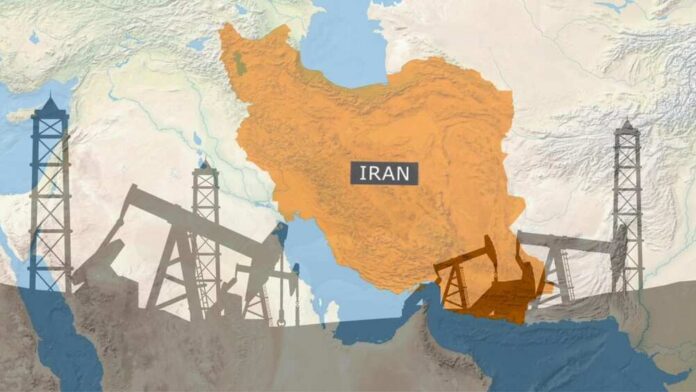
The Strait of Hormuz is a narrow chokepoint that carries about 20% of global oil trade, meaning disruption can ricochet straight into U.S. household costs. Research summaries tied to this episode warned of oil price surges and costly rerouting for tankers, which can filter into transportation and goods prices. For conservatives already angry about years of high energy costs and inflation, Hormuz brinkmanship is a reminder that energy security is not abstract—it is kitchen-table economics.
Iran's IRGC Says Strait of Hormuz Opens When U.S. Is ‘Neutralized’https://t.co/UPEoEhGZWd
— PJ Media (@PJMedia_com) May 6, 2026
The broader political lesson is also uncomfortable for many voters across the spectrum: critical U.S. interests can be endangered by a mix of foreign coercion and slow-moving institutions. Tehran’s strategy depends on signaling that normal commerce requires its permission while daring Washington to respond. Whether Americans favor a more restrained foreign policy or a more forceful one, the shared demand is competence and clarity—because a single chokepoint crisis can ripple into prices, markets, and national credibility.
Sources:
Iran’s IRGC says Strait of Hormuz blocked, demands end to U.S. naval blockade
Iran’s IRGC warns it will attack US forces if they approach Hormuz
Global Times report on IRGC claims of control and related developments in the Strait of Hormuz
Iran reimposes Strait of Hormuz restrictions, accuses US of violating deal to reopen waterway