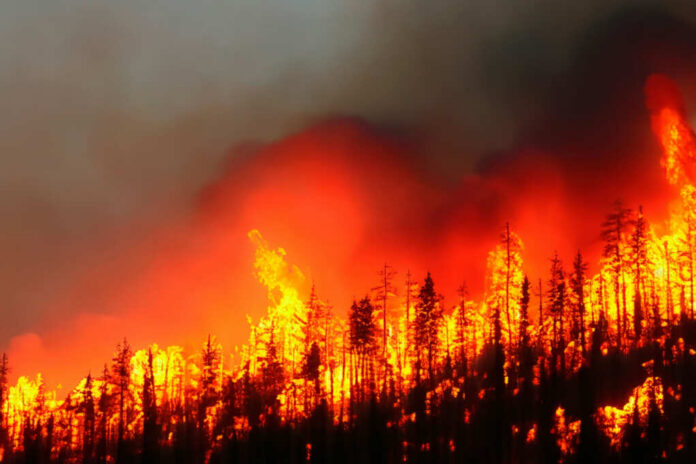
A raging wildfire in Florida’s Everglades has scorched 11,000 acres perilously close to Miami suburbs, exposing government failures in protecting communities from natural disasters that demand real solutions over elite agendas.
Story Snapshot
- Max Road Miramar Fire burned 11,000 acres across Miami-Dade and Broward counties, reaching 50% containment with no injuries reported.
- Thick smoke forced health warnings for millions in Miami metro, road closures disrupted daily life near Pembroke Pines.
- Muck fires in peat soils threaten permanent landscape changes, undermining the Everglades’ role as a vital flood buffer for residents.
- Florida Forest Service leads multi-agency fight amid statewide wildfire season totaling nearly 2,000 fires and 120,000 acres.
Fire Ignition and Rapid Spread
Firefighters reported the Max Road Miramar Fire near North Krome Avenue and Northwest 186th Street on Sunday, just one mile from Mack’s Fish Camp. Winds and severe drought propelled flames westward into sawgrass prairies, escalating from 4,800 acres to over 11,000 by Monday. Peat-based muck fires smoldered underground, complicating suppression efforts. This marked the largest active blaze in the Everglades, straddling two counties and testing local response capabilities.
Threats to Homes and Public Health
Flames approached subdivisions west of Pembroke Pines, prompting evacuations and road closures that snarled traffic. Resident Roxanne Gill watched fire creep toward her property as aerial footage captured thick smoke billowing miles into Miami metro suburbs. Officials issued shelter-in-place orders: close windows, recirculate air conditioning, and avoid outdoor activities for those with respiratory issues. No structures lost, but millions faced hazardous air quality.
Containment Progress and Expert Warnings
Florida Forest Service achieved 50% containment through ground and aerial attacks by Miami-Dade and Broward Fire Rescue teams. Statewide, nearly 2,000 wildfires had burned 120,000 acres year-to-date during the peak dry season. Dr. Steve Davis, Everglades Foundation science chief, warned that muck fires fueled by drought could sterilize peat soils, permanently altering South Florida’s water-absorbing landscape and endangering habitats for alligators and birds.
South Florida wildfires burn thousands of acres in the Everglades https://t.co/b3OR7OSF87
— The Algiers Herald (@AlgiersHerald) May 12, 2026
Long-Term Risks and Government Shortcomings
Muck fires release carbon dioxide indefinitely and reduce the Everglades’ flood-buffering capacity, heightening risks for urban interfaces like Miramar and Pembroke Pines. Past incidents, including 2023’s 20,000-acre blazes and 2019’s Bugaboo Scrub Fire, highlight recurring threats from drought and urban expansion. Fire suppression and restoration costs exceed millions, straining taxpayers while federal priorities favor globalist policies over domestic resilience. Both conservatives frustrated by mismanaged lands and liberals decrying elite neglect see a broken system failing everyday Americans.
Residents and tourists at airboat camps face economic hits from closures, with health disparities amplifying impacts in vulnerable communities. Political pressures mount for effective drought mitigation, yet entrenched bureaucracies prioritize reelection over bold action like expanded forest management and water infrastructure rooted in American initiative.
Sources:
Everglades wildfire scorches 11,000 acres just outside Miami metro, Broward County
Growing brush fire in Everglades causes road closures, more than 5000 acres burned