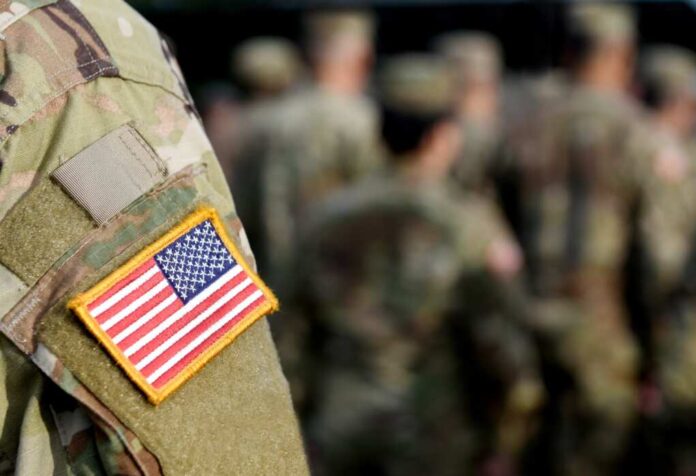
The U.S. Army is under increased scrutiny as recent reforms to basic training prompt debate over military readiness and long-term recruitment outcomes.
At a Glance
- Recent reforms to Army basic training aim to modernize instruction and increase retention
- Lawmakers and former officers have expressed concerns over potential weakening of standards
- Army leaders argue reforms are necessary to attract and prepare today’s recruits
- Policy discussions center on balancing rigorous standards with evolving social expectations
Reforms Trigger Policy Debate
The U.S. Army has recently enacted a series of reforms to its basic training curriculum, with the stated goal of improving both retention and recruit preparedness. The new approach, championed by senior Army leadership, includes adjustments to instructional methods, discipline protocols, and the use of mental health support resources. According to Army officials, these changes are intended to better address the backgrounds and needs of contemporary recruits, many of whom join with limited exposure to structured environments.
The reforms include updates to physical fitness benchmarks, increased focus on team-based problem-solving, and the integration of counseling and peer support programs. Army leaders emphasize that these measures are designed to build resilience, reduce attrition, and ensure that new soldiers are better equipped for both technical and tactical responsibilities. However, the pace and nature of these changes have prompted a wave of concern from lawmakers and former service members, who question whether traditional standards are being diluted.
Watch now: Pete Hegseth Is Asked: ‘Are You Going To Change Military Training’ · YouTube
Concerns Over Standards and Readiness
Critics of the reforms argue that some adjustments—such as reduced emphasis on punitive discipline and a revised approach to physical testing—may risk undermining the Army’s longstanding reputation for toughness and readiness. Congressional hearings have featured testimony from former officers who maintain that certain standards must be preserved to ensure operational effectiveness. Additionally, some observers worry that an overemphasis on accommodation could result in lower graduation rates from advanced training or reduced unit cohesion in the field.
Army leadership has responded by pointing to recruitment challenges, noting that demographic shifts and societal changes require an adaptive approach. Officials insist that, while methods are evolving, core standards related to marksmanship, physical endurance, and ethical conduct remain central to the training process. Internal studies are underway to track both short- and long-term outcomes of the new system, with regular reviews scheduled for upcoming fiscal years.
Balancing Modernization With Mission
The debate over Army basic training reforms reflects broader questions facing the U.S. military as it navigates evolving expectations and global security demands. While proponents of change highlight the need for modernization and inclusivity, opponents caution against compromising on the principles that have historically underpinned combat readiness. Both sides agree on the importance of a robust, well-prepared force, but differ sharply on the best means to achieve it.
As the Army continues to implement and assess its new training protocols, policymakers and defense analysts will be watching closely for measurable impacts on unit performance, morale, and overall recruitment. The results of these efforts may influence not only the future of Army training, but broader debates over the role and structure of the all-volunteer force.
Sources